
In this comparison
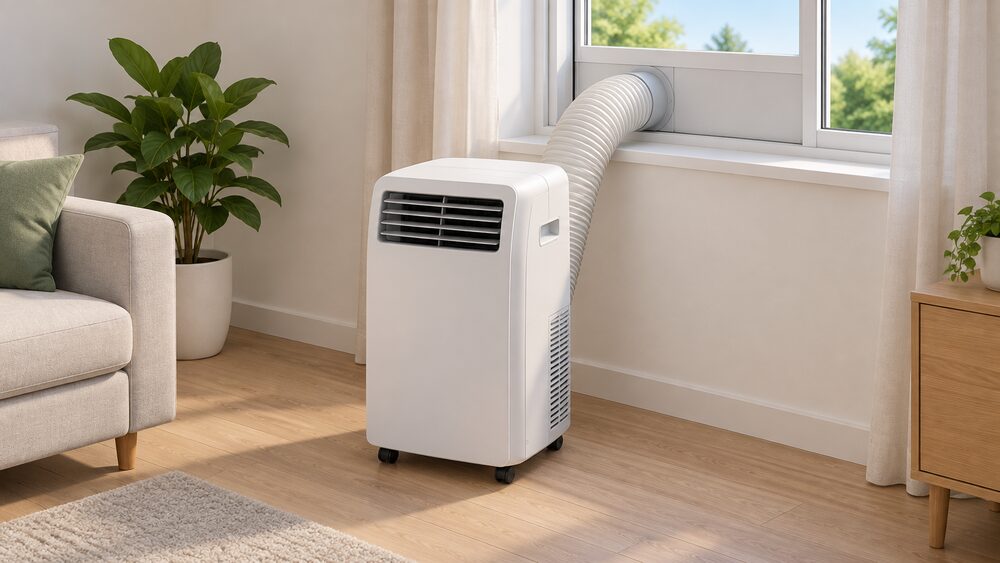
The two portable air conditioning types are built on opposite principles. A monobloc, also called single-packaged, has one indoor unit and no outdoor unit: the refrigerant liquid and the main components, including the evaporator and compressor, sit inside the cabinet, and hot air leaves through a duct1. A split portable, sold in the UK as a mono-split or single split, is two separate units, an indoor unit and an outdoor unit, joined by a pipe, and it cools one room2.
That difference drives everything else. Because the compressor is in the room, a monobloc is noisier and less efficient than a split, and packaged units generally have less cooling capacity than split systems3. Because a split needs refrigerant pipework, it normally needs an F-Gas registered engineer, while a monobloc is plug and play4. The trade is straightforward: the monobloc is cheaper and simpler to set up, the split is quieter and more powerful, and neither cools more than one room at a time.
Monobloc or split: which suits which room
The room, not the budget, decides this. A monobloc is described as ideal for small areas of up to 30 m2, and reverse-cycle monobloc models are used for individual rooms or small spaces such as bedrooms, offices and studios5. A single split is designed to provide climate control to one room within the house, and one maker notes that a single unit may be all that is needed in a smaller home such as a two-bedroom apartment9. Easy-Fit single splits are marketed for bedrooms, living rooms, garden offices and small commercial spaces11.
Neither type is a whole-home answer. A mono-split cools only the room holding the indoor unit, and a single monobloc cannot cool multiple rooms at once, though models on wheels can be moved from room to room3. Where several rooms need cooling at the same time, the configuration changes: a multi-split has one outdoor unit and several indoor units, each adjustable independently, and it can cool or heat several rooms from that single outdoor unit1. A multi-split is also more energy-efficient than running several separate units, because one outdoor unit serves them all14.
For a household, the practical reading is this. One hot bedroom or a garden office points to a monobloc or a single split. Two or three rooms used at the same hours point to a multi-split, which is a fixed installation rather than a portable one. The types of air conditioning page sets out the full family, and multi-split systems cover the several-room case in detail.
How a monobloc portable air conditioner works
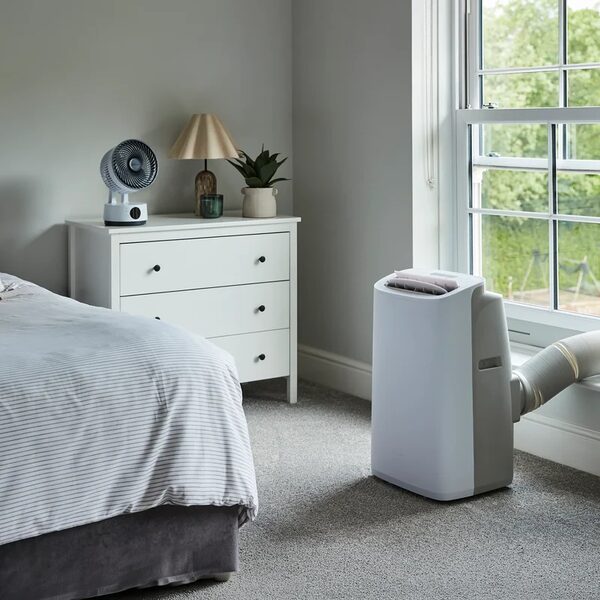
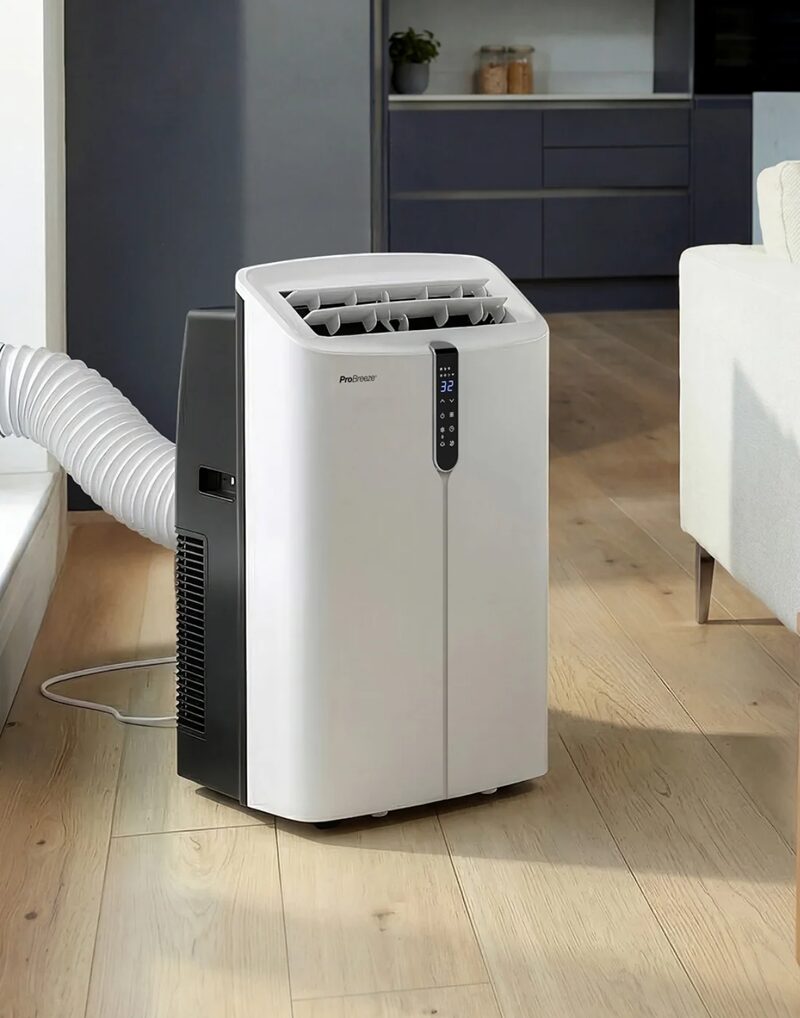
A monobloc, or single-packaged, air conditioner has only one indoor unit and no outdoor unit. The refrigerant liquid and the main components, the evaporator and compressor among them, are contained in that unit, and it expels hot air through a duct1. It is self-contained, which is why it is easy to install4. The unit removes warm air from the room and vents it outside through an exhaust hose while circulating cooled air indoors11.
The consequence of that layout is the single hose. Everything that rejects heat sits in the room being cooled, so the machine has to push the heat out through a duct, and the duct has to reach outside. Units are supplied with a window kit for quick setup and no permanent installation12. The alternative architecture, the split, divides the same refrigeration cycle between two boxes: an indoor unit and an outdoor unit connected by a pipe2. The compressor moves outside, and only the fan coil remains in the room.
That is the whole mechanical story, and it explains the rest of this page. A monobloc is a self-contained appliance that can be wheeled about and plugged in. A split is a small fixed installation with a permanent hole in a wall and a refrigerant circuit that has to be commissioned. The portable air conditioners page covers the monobloc family in more depth, and air conditioning without an outdoor unit covers the fixed through-wall versions of the same idea.
Cooling performance: why split units typically deliver more
Packaged air conditioners generally have less cooling capacity than split systems, and are suitable for small indoor areas but not powerful enough to cool a large room3. Monobloc systems are also described as slightly less efficient than split systems16. Portable units as a class are not as efficient as split units, while split units are quieter, sleeker and more efficient at cooling13. The pattern across the sources is consistent: the split wins on output and on efficiency, the monobloc wins on simplicity and price.
The gap is not marginal in the marketing of the newest split portables. One maker states that its split portable delivers 6x more cooling power and is 4x more efficient than conventional portable AC units17. Those are the maker's own figures for its own product and should be read as such, but they point at the same physical cause: a compressor sitting outdoors in free air, with a large condenser coil and no need to fight the room it is cooling.
What a household should expect in practice is a difference in how hard the machine has to work for the same result. A monobloc's advantages are listed as low power consumption, fairly easy setup and prices that can be affordable depending on the model chosen1. Those are real, but they describe a smaller job done more cheaply, not the same job done as well. For a bedroom of ordinary size, either type will take the edge off a hot night. For a large or open-plan room, the capacity ceiling of a packaged unit is the binding constraint, and the air conditioning sizing guidance is the place to check the kW a given room needs before choosing a type.
Noise: the single-hose trade-off of a monobloc
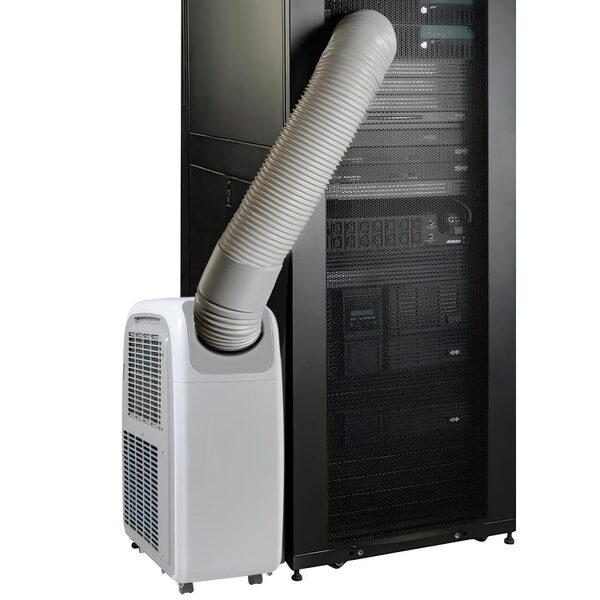
Noise is where the monobloc's layout hurts most. The compact size and integrated motor of these devices make them rather noisy4. Monobloc air conditioning is listed with two disadvantages: not suitable for large areas, and a relatively noisy system1. Portable air conditioning more generally is described as an auxiliary device with limited cooling capacity, and noisier than a fixed unit1. A packaged system can be noisier than a split because the entire system is installed indoors3.
The mechanism is simple. In a split, the compressor and its motor are outdoors, and the indoor unit is a fan and a coil. In a monobloc, the compressor, the motor and the fan are all in the cabinet beside the listener, and the casing is compact, which leaves little room for sound insulation. Because the main unit sits inside the room and vents through a hose, portable units may not feel as quiet or efficient as a fixed system18. The hose itself adds a second effect: air is being pulled out of the room and pushed through a narrow duct, and the fan has to work against that resistance.
For a bedroom, this matters more than the efficiency figures. A split system separates the noise source from the sleeping space, which is why the quietest installations tend to be fixed ones. The air conditioning noise page covers indoor and outdoor unit levels and the neighbour question, and quietest air conditioning for a bedroom deals with the specific case.
"these devices' compact size and integrated motor make them rather noisy"
Installation: what each type needs at the window
A monobloc needs no proper or professional installation: it is a plug and play setup with the hose vented out of a window or door6. No permanent installation is required, and the unit is positioned near a window, the exhaust hose connected, and cooling started11. Portable air conditioners come with a window kit for quick setup, and units are equipped with exhaust hoses and window kits12. The one condition that matters is proper venting: the unit needs to be vented to the outside using a special fitting for the window, because a vent simply put through an open window will let heat back in7.
A split is a different proposition. Fixed models must be fitted by a professional, and several companies should be contacted for quotes1. By law all split type air conditioning systems require an F-Gas registered engineer to carry out the installation or at minimum the commissioning, with DIY category monobloc products the exception6. A single split needs an indoor unit and an outdoor unit connected by wiring and piping, with no ductwork needed, and professional installation9. Split units may cost more and require professional installation19.
There is a narrow exception worth knowing about. Easy-Fit single split systems are designed for quick, simple installation without the need for a professional engineer, because pre-charged pipework means no refrigerant handling is required11. That is a specific product category rather than a general rule, and the DIY air conditioning installation and F-Gas rules pages set out where the line falls. For a rented flat, the monobloc's plug and play nature is the relevant fact, covered at portable air conditioner in a rental.
Heat pump versions: heating as well as cooling
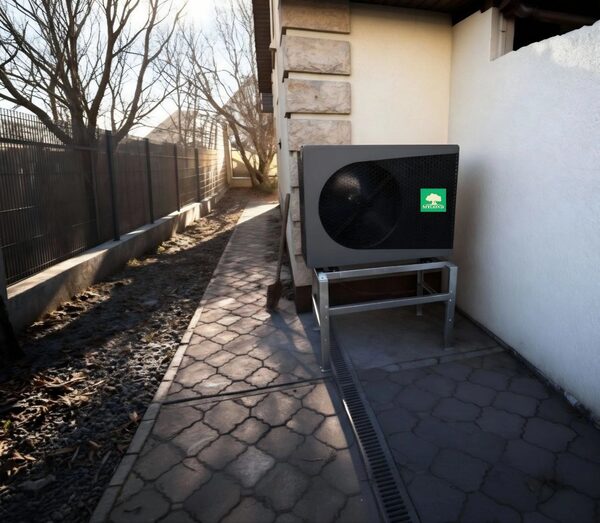
Some portables heat as well as cool. Portable ACs with a built-in heat pump are sold to keep a home warm in winter15. Monobloc reverse cycle air conditioners are used to cool and warm individual rooms or small spaces such as bedrooms, offices and studios8. A mono-split reverse cycle unit is a system of two separate units, an indoor unit and an outdoor unit, and it can run in reverse4. A cooling-only portable cannot heat at all, so the heat mode has to be specified at purchase.
The wider heat pump world uses the same two words for the same two layouts, which is where confusion creeps in. In a monoblock heat pump, all refrigeration components are contained within a single outdoor unit, and the building connection is typically made using hydronic piping20. A split heat pump uses the same underlying heat pump technology as monoblock and other configurations; the difference is physical layout, not operating principles20. Monobloc air source heat pumps have all the workings in the outdoor unit, so no separate indoor unit is needed, and installation is more straightforward than a split because the connections are to the water supply of the heating system21. The footprint of the monobloc unit is larger than that of the outdoor unit of a split22.
For a household, the distinction to hold on to is between an air-to-air unit that heats one room and a whole-house heat pump. Individual wall-mounted monobloc air-to-air units heat and cool one room only and are not a whole-house solution, and they need no outdoor unit, just a couple of holes drilled through an external wall23. The air conditioning that heats page covers reverse-cycle units and air-to-air heat pumps in full.
Cost and running costs compared
A single-packaged air conditioner costs less than installing a system with multiple units5. Portable models tend to be less expensive upfront compared to split systems19. A mono-split reverse cycle air conditioner is generally more expensive than a monobloc reverse cycle air conditioner, especially since the outdoor unit and other components add to the bill4. A portable air conditioning system can start at around £250 for entry-level models and go up to more than £3,500 for more comprehensive and sophisticated models such as portable split air conditioning systems1. Those are the maker's published figures; where no published price exists, prices are installer-quoted.
Running cost is where the efficiency gap shows up in pounds. A typical portable air conditioner of 1,000 to 1,500W can cost around 26 to 39p per hour, roughly 14 to 20 times more than a fan6. Portable units use 30 to 50% more electricity than fixed systems7. Monobloc systems tend to be more common because they are cheaper and quicker to install16, which is a statement about first cost, not about running cost.
| Monobloc portable | Split portable (mono-split) | |
|---|---|---|
| Units | One indoor unit, no outdoor unit1 | Indoor unit plus outdoor unit2 |
| Cooling capacity | Less than split systems; small areas only3 | Higher; one room, targeted9 |
| Efficiency | Slightly less efficient than split16 | More efficient at cooling13 |
| Noise | Relatively noisy; compressor indoors1 | Quieter; compressor outdoors13 |
| Installation | Plug and play, window kit6 | Professional, F-Gas engineer6 |
| Upfront cost | From around £2501 | Generally more expensive4 |
| Rooms served | One at a time12 | One3 |
The independence picture is mixed for both. A monobloc needs no installer, no commissioning and no permission, so it can be bought and run without involving anyone else, but it leans on the grid for every hour it runs and on a window that has to stay open enough for the hose. A split cuts the running cost per unit of cooling and removes the compressor from the room, but it hands the refrigerant circuit to a registered engineer and leaves a permanent installation in the fabric of the home. Neither removes the household's dependence on imported electricity, and neither stores anything. The cooling and energy independence page sets out what that means for a home trying to reduce what it draws from the grid.
Sources23 cited
- Home air conditioning guide, Netatmo, 2026-09-20
- How does air conditioning work, Netatmo, 2026-09-20
- Packaged air conditioning, Netatmo, 2026-09-20
- Reverse cycle air conditioner, Netatmo, 2026-09-20
- Reverse cycle air conditioning, Netatmo, 2026-09-20
- FAQs, Cooleasy, 2026-09-23
- How to keep your home cool in hot weather, Centre for Sustainable Energy, 2026-07
- Monobloc heat pump AWC/AWST, Modutherm, 2026-09-17
- Air conditioner buying guide, Hitachi Air Conditioning, 2026-09-17
- How to choose your air conditioner location, Daikin UK, 2026-09-20
- Domestic portable air conditioners, Cooleasy, 2026-09-23
- Pro Breeze air conditioners, Pro Breeze, 2026-09-23
- Air conditioning size guide, Cooleasy, 2026-09-23
- How to choose the right home air conditioning, Mitsubishi Electric, 2025-04-07
- Honeywell portable air conditioners, Honeywell Air Comfort, 2026-09-23
- Air source heat pumps, Energy Saving Trust, 2026-07-16
- Midea PortaSplit, tado, 2026
- Easy-Fit single split systems, Cooleasy, 2026-09-23
- Guide to air conditioning units, EDF Energy, 2024-05-22
- Split heat pump, IDM Energie, 2026-07-06
- Get warmed up to install a heat pump, CAT, 2022-08-17
- Difference between monobloc and split system air source heat pumps, Dimplex, 2023-09-04
- How a heat pump can cool your home, Which?, 2026-07-17
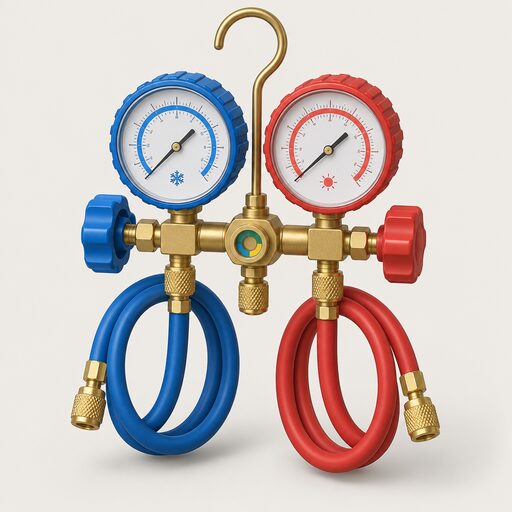 Monobloc and Split Heat PumpsWhich heat pump suits your home, a monobloc or a split?
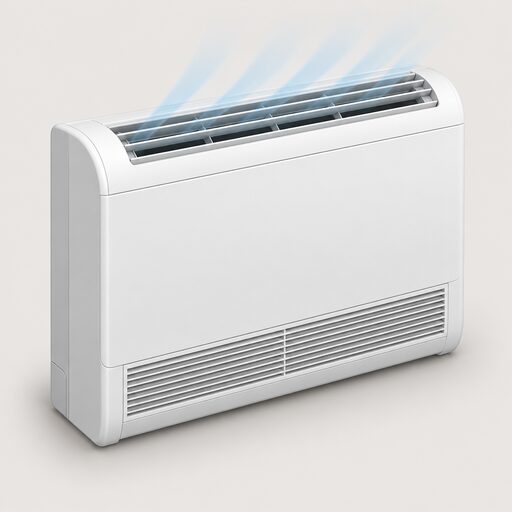 Split Air ConditioningA split air conditioning system cools or heats one room using an indoor unit and an outdoor unit linked by pipes.
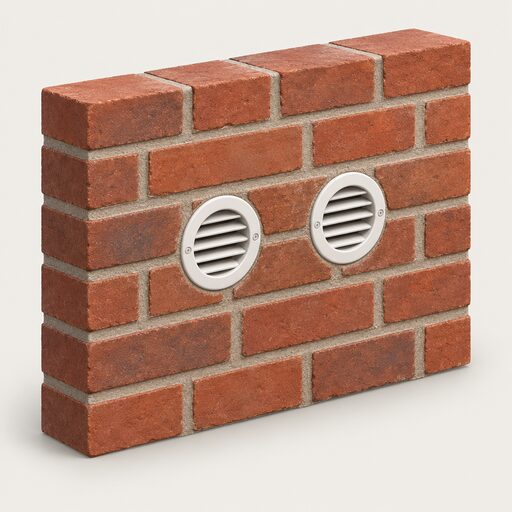 Without an Outdoor UnitFlats and listed homes often cannot have a box on the outside wall, so how does air conditioning work with everything indoors?
 Running CostsA portable air conditioner costs roughly twenty to forty pence for every hour it runs, while a fixed unit uses far less electricity for the same cooling.
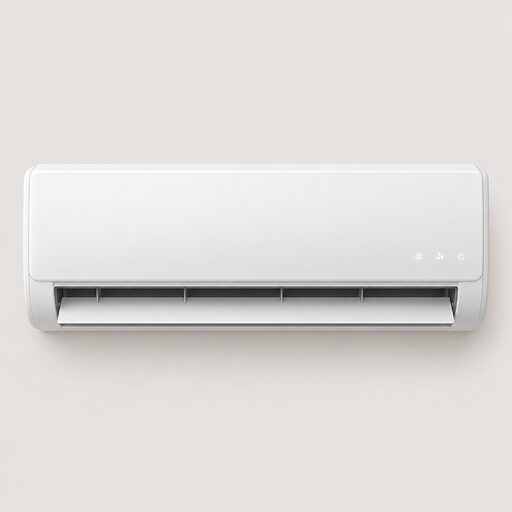 Air Conditioning CostPublished UK equipment prices and the parts of an installed price for portable, single split, multi-split and whole-house air conditioning.
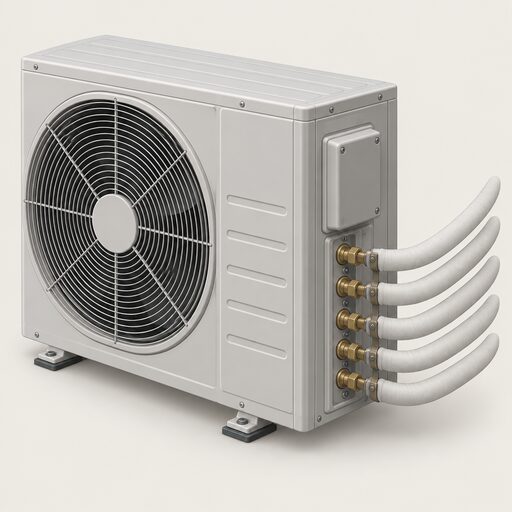 Multi-Split ACHow multi-split air conditioning works when one outdoor unit serves several indoor units: how many rooms one system can serve, independent room control, efficiency, outdoor unit size and sound, planning rules in England and Scotland, servicing and lifespan, the 0% VAT position and how it compares with separate single splits.