In this guide
JA Solar is a volume module manufacturer whose panels reach UK homes through installers rather than through retail. The company's modules are sold and installed in the UK by a number of installers, and the brand appears regularly in fitted systems without ever being chosen directly by the householder: in one survey of JA Solar owners, just over half chose the brand because it was the only brand fitted by their chosen installer, and 13% chose it from several brands recommended by their installer1.
The figures that matter for a UK buyer are these. JA Solar's own module warranty runs for twelve years, or one hundred and forty four months, on repair or replacement, with a thirty-year peak power term2. An independent review records 12 years product warranty and 25 years at 87.4% output, and puts the maker's most efficient recently tested panel at 600W and 23.2% efficiency1. The JAM 54/48 DXX panel range is described in official guidance as MCS-certified monocrystalline PV modules3.
Availability is the awkward part. Several specific models that UK distributors once listed are now marked discontinued, and there is no manufacturer list price for a fitted system. Prices come from installers after a survey, and the sensible approach is to gather several quotes and compare them for the specific home.
What JA Solar makes: a 405W panel in the UK range
JA Solar's UK-facing range is built around monocrystalline modules in the 400W class and above. The JAM54S30 and JAM72S30 families are both manufactured by Shanghai J A Solar Technology Co., Ltd.7. Modules in the JAM72S30 family use QC Solar QC 4.10-351 or QC 4.10-35 connectors8.
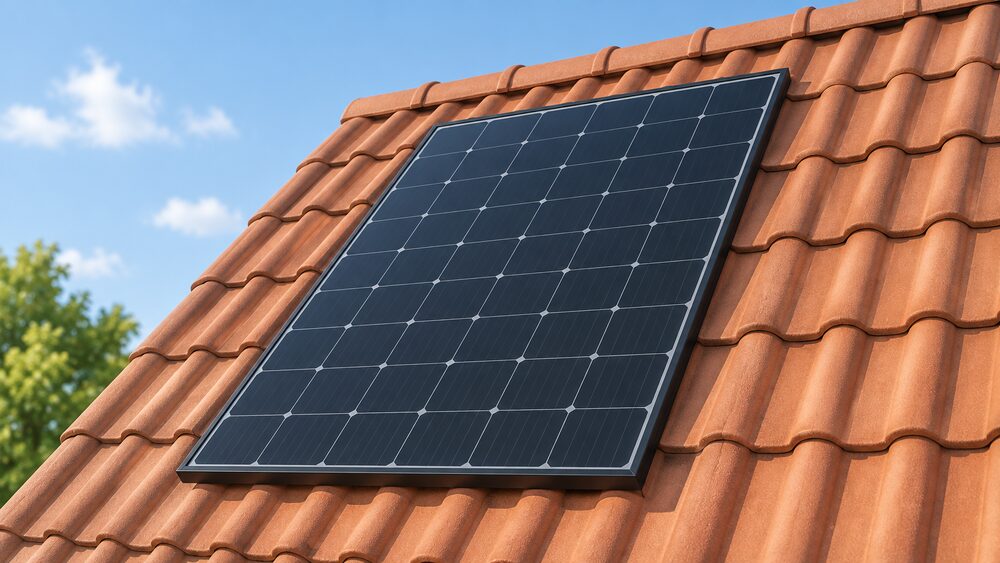
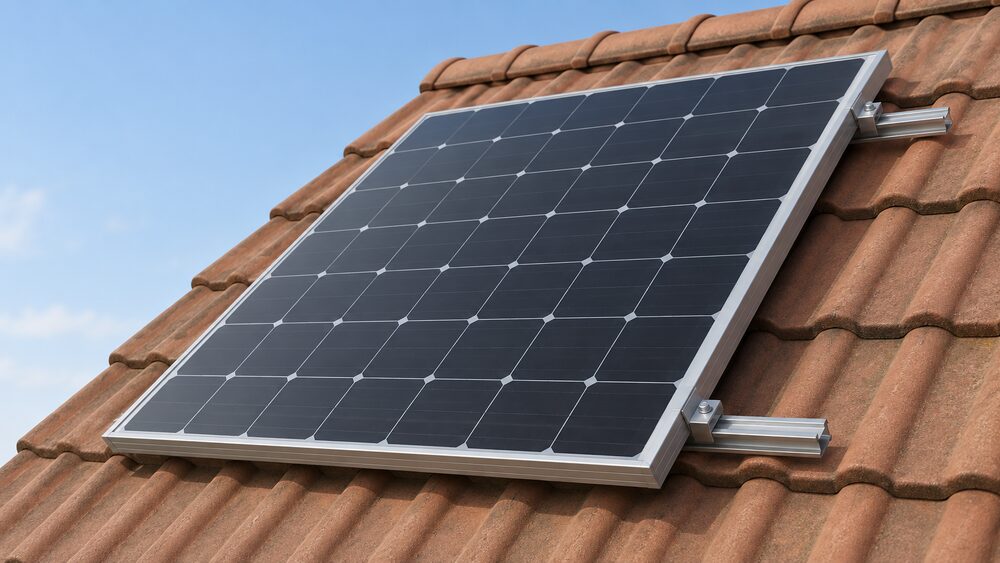
The 405W module sits at the smaller end of that spread, in the class of panel that suits a domestic roof where physical size and weight matter as much as headline output. JA Solar's most efficient recently tested panel reached 600W at 23.2% efficiency, which shows where the top of the maker's range sits1. The JAM 54/48 DXX panel range is listed in official guidance as MCS-certified monocrystalline PV modules, and the same guidance pairs that range with Archai iOPT 800W Smart Optimisers and Gateway modules3.
That pairing is worth noting for a household planning a roof with shading or multiple orientations. Optimisers work at module level, so a shaded panel does not drag down the rest of the string in the way a plain string inverter arrangement can. The wider question of how module-level electronics compare with a straightforward string layout is covered in power optimisers and string inverters.
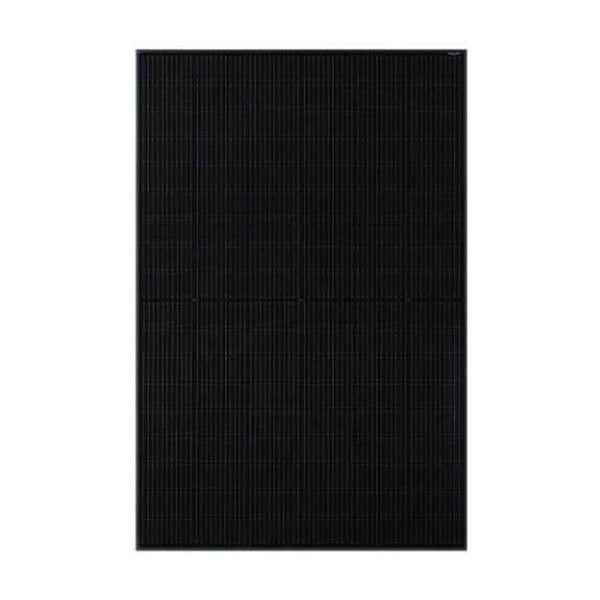
UK availability: no products currently listed, with bespoke quotes via a quote form
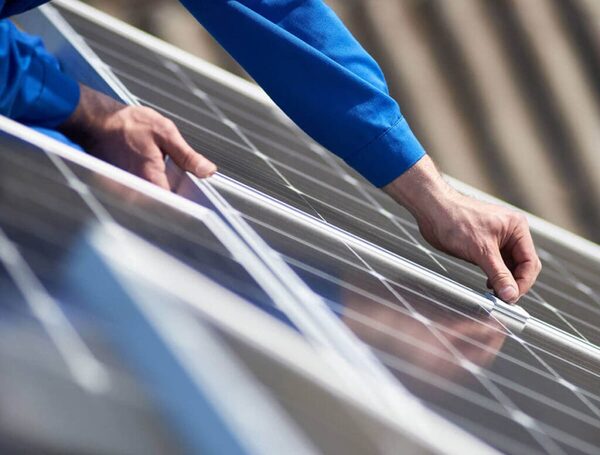
JA Solar does not sell direct to UK householders. In the UK, solar panels are sold via installers rather than direct to consumers, which is why consumer testing programmes do not name individual best buys in the way they do for appliances9. The practical consequence is that a householder cannot order a JA Solar panel by name from a manufacturer's shop; the brand arrives as part of a system specified by an installer.
That makes the installer the gatekeeper. Solar panels should be installed by MCS-certified professionals, which ensures compliance with UK standards and eligibility for schemes like the Smart Export Guarantee; an installer who is not MCS-certified cannot offer access to those financial benefits10. Official scheme rules go further, requiring that solar PV systems are only installed and certified by MCS-certified contractors working to the latest published MIS3002 standards11. Independent guidance is consistent: make sure the installers under consideration are MCS-certified, and get quotes from at least three installers5.
For a household, the availability question is therefore not "can I buy this panel" but "will the installer I choose fit it". Because just over half of JA Solar owners ended up with the brand because it was the only one their installer offered, the choice of installer effectively determines the choice of module1. Comparing several installers is the only reliable way to widen the range of panels on offer.
Discontinued models: JAM54S30-425/LR, JAM66S30-495/MR and JAM72D40-590/LB-ITS
Three specific JA Solar models that appeared in UK distribution listings have been discontinued. The JAM54S30-425/LR, a 425W black-frame p-type monofacial panel, is marked discontinued on its product page. The JAM66S30-495/MR, a 495W silver-frame mono PERC panel, is likewise marked discontinued, as is the JAM72D40-590/LB-ITS, a 590W silver-frame n-type panel.
This matters for two reasons. First, a householder who has seen one of these models named in a quote or an online listing should not expect it to be available; the replacement will be a current model in the same class. Second, it matters for anyone matching panels to an existing array. Adding a module of a different model to an older string is a technical question for the installer, not a like-for-like purchase.
The wider families remain current. JA Solar continues to publish datasheets for the JAM54S30 and JAM72S30 ranges, both under Shanghai J A Solar Technology Co., Ltd.7. A discontinued listing therefore signals the end of a particular model rather than the withdrawal of the maker from the UK market. The general pattern of model turnover, and what it means for matching and replacing modules, is set out in solar panel warranties and degradation.
What a 405W panel means for a household system
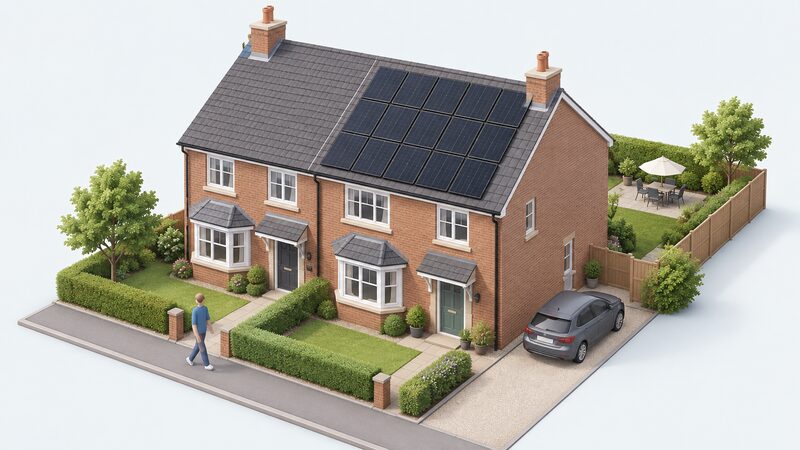
A 405W module is a building block, and the useful question is how many of them make a domestic array. Typical figures vary a little between sources. Household solar panel systems are typically up to 4kWp4, systems on homes are typically around 4kWp12, the average solar panel system is around 4.5kWp, and a typical domestic solar panel system is around 3.5kWp13. A 4.5kWp system typically covers between 20 and 30 square metres of roof surface area, typically using around 12 panels5.
At 405W per module, a 4kWp array is roughly ten panels and a 4.5kWp array roughly eleven or twelve. Those are arithmetic consequences of the figures above, not separate published claims, and the exact count depends on the inverter rating, the roof layout and how the strings are configured.
| System size | Panels at 405W | Roof area | Source basis |
|---|---|---|---|
| Around 3.5kWp | Roughly 9 | Not stated | Typical domestic system13 |
| Around 4kWp | Roughly 10 | Not stated | Household systems typically up to 4kWp4 |
| Around 4.5kWp | Around 12 | 20 to 30m2 | Energy Saving Trust average5 |
What the array delivers in practice depends on far more than the module rating. Orientation, pitch, shading and the inverter all shape the yield, and the module's own tolerance and temperature behaviour are set out on its datasheet. Reading those figures properly is covered in solar panel specifications and efficiency, and the sizing question in what size solar system does a home need.
Warranty and what it covers
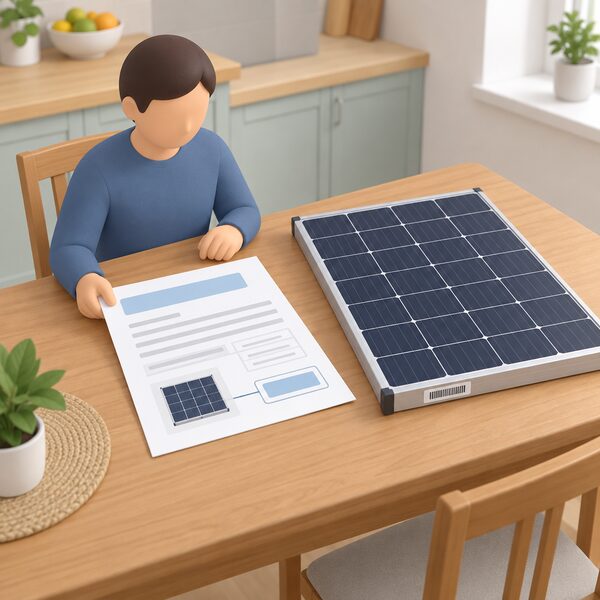
JA Solar's module warranty is set out in the maker's own terms. The limited product warranty is a twelve-year repair or replacement term, running for a period of one hundred and forty four months from the warranty commencement date2. The peak power warranty runs for thirty years starting from the warranty commencement date2. An independent review records the same product term and puts the performance figure at 25 years at 87.4% output1.
Two conditions shape how that warranty behaves in practice. First, repair, replacement or supply of additional modules does not lead to a new commencement of warranty terms, and the original terms are not extended2. A replacement panel therefore inherits the remaining life of the original warranty rather than starting a fresh one. Second, the warranty is transferable to any subsequent owner of the location or holder of the product when the modules remain at their original installed location, on satisfactory proof of succession or assignment2. That matters on a house sale.
"the Customer should enclose the evidence of the claim with the corresponding serial number of the MODULES and the date of purchase"
A claim therefore needs the module serial number, the purchase date and an invoice showing the purchase date, purchase price, module type and a JA Solar or distributor stamp or signature2. Keeping that paperwork with the property is the practical step.
For context, typical practice across the market is a 25-year performance warranty and a five to 10-year product warranty14, and panels can carry warranties of up to 20 or 25 years while inverters are not expected to last as long15. JA Solar's twelve-year product term sits above the usual five to 10-year band, and its thirty-year peak power term sits above the usual 25-year performance term. Independent guidance suggests panels should come with a 20 to 25-year warranty on performance16. The comparison across makers is set out in solar panel warranties and degradation.
Cost and how quotes work
There is no published JA Solar list price for a supplied and fitted system, and no manufacturer price for the modules themselves in the UK. Prices are installer-quoted, and the guidance is consistent: get at least three quotes to allow comparison for the specific system and home12, and get quotes from at least three installers5. A local authority advice page puts it more simply still: get various quotes to compare prices of different installers17.
The figures that do exist are for whole systems rather than for a JA Solar array specifically. One independent cost example is £7,400 for the installation of a 4.6kWp ten-panel system on an east-facing, 35-degree pitched roof with modest shading, as of 1 June 20256. That is a single worked example, not a market average, and it is not tied to any particular module brand.
Three things move a quote: the system size and therefore the number of modules, whether the work involves a change of system type or additional electrical work, and access and mounting complexity. Because panels are sold through installers, the module brand is often bundled into the overall price rather than quoted separately, which is why comparing itemised quotes matters more than comparing headline totals.
Choosing an installer well is the main lever a household has. Independent guidance on what separates a good installer from a poor one is set out in how to choose a good solar installer, and the wider cost picture in how much do solar panels cost in the UK.
What owning JA Solar panels means for energy independence
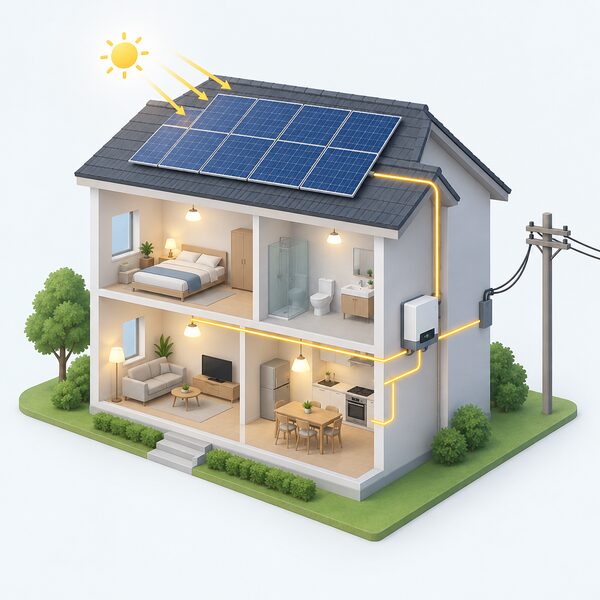
A JA Solar array does one clear thing for a household: it generates electricity on the roof, and once the installation is paid for, the electricity it generates is free to use, though grid electricity and maintenance still have to be paid for18. Smart Energy GB puts the same point plainly: once the installation is paid for, the electricity the panels generate is completely free to use19. One supplier frames the effect as locking in a portion of energy costs at 0p per kWh for the next 25 years20.
The economics turn on self-consumption. Rates for selling electricity to the grid are much lower than tariffs for using electricity from the grid, so using solar electricity in the home is much more cost-effective than exporting it21. That is the single most important fact for anyone weighing what a solar array is worth: the value sits in the units the household uses itself, not in the export payment.
What remains is dependence. A grid-connected array stays connected to the distribution network and to a supplier for the periods when the panels are not generating, which in the UK is most of the evening and much of the winter. The system also depends on an inverter, on the installer's workmanship, and on the manufacturer's warranty being honoured. Where the modules are JA Solar, that warranty is a twelve-year product term and a thirty-year peak power term held by Shanghai J A Solar Technology Co., Ltd.2.
There is a further dependence specific to this brand. Because JA Solar panels are sold and installed by installers rather than direct, and because just over half of owners ended up with the brand through their installer's single-brand offer, the household's relationship is with the installer first and the manufacturer second1. If the installer ceases trading, the warranty claim route runs to the manufacturer, and the serial number and invoice become the household's only evidence.
Solar panels generate clean energy for the home and can cut down on energy bills22, and they can also feed an electric vehicle or a diverter, which is covered in can solar panels charge electric cars and solar diverters. The broader picture of what a rooftop array can and cannot do for a household's independence is set out in solar panels and household energy independence.
Sources22 cited
- JA Solar solar panels review, Which?, 12 August 2026
- JA Solar Photovoltaic Solar modules warranty, JA Solar, 17 September 2026
- ECO4 approved innovation measures, Ofgem, February 2026
- Buying advice for solar panels, Which?, 3 August 2026
- Solar panels advice, Energy Saving Trust, 27 August 2026
- Are solar panels worth it, Which?, 15 May 2026
- JAM54S30 415-440/LR/1500V datasheet, JA Solar, 17 September 2026
- JAM72S30 560-585/LR/1500V datasheet, JA Solar, 17 September 2026
- How we test solar panels, Which?, 12 August 2026
- Solar panel installation, Energy Saving Trust, 7 September 2026
- Barcud Solar Panel Installation Scheme Specification, Sell2Wales, 15 June 2026
- Solar panel costs, Which?, 3 August 2026
- Solar panel myths debunked, Which?, 9 June 2026
- Buying a house with solar panels, Energy Saving Trust, 13 August 2026
- Most common solar panel problems, Which?, August 2018
- Can solar panels charge electric cars, The CPA, 15 April 2026
- Solar photovoltaic panels, London Borough of Bromley, 17 September 2026
- Solar power, Electricity North West, 19 September 2026
- What is global warming, Smart Energy GB, 16 March 2026
- Solar panels, Uswitch, 16 September 2026
- Solar panels, London Borough of Hammersmith and Fulham, 17 September 2026
- How to choose a good solar installer, Low Carbon Hub, 20 October 2025
 JA Solar modules for UK homesHow good are JA Solar panels for a UK roof?