
In this answer
Short answer
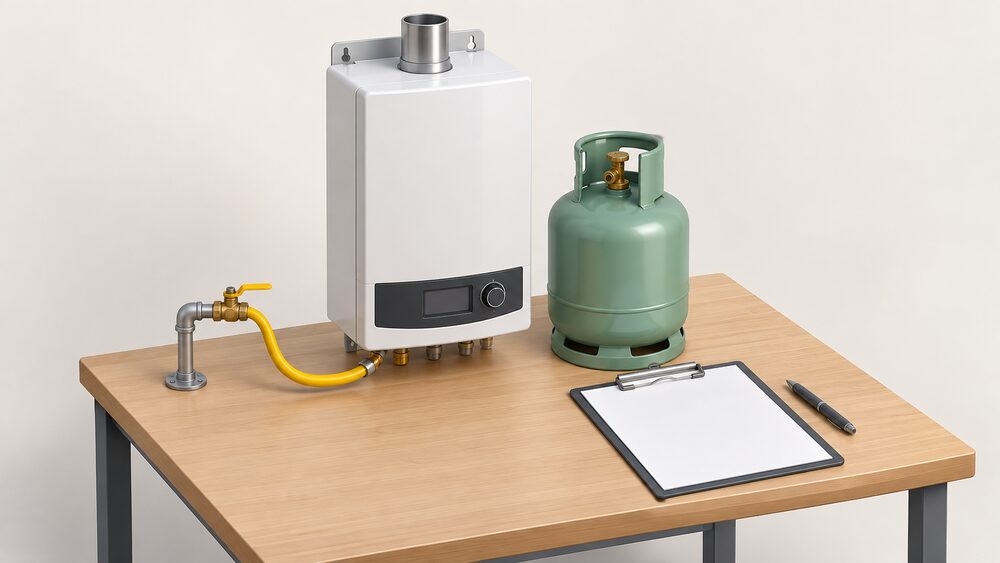
No hydrogen-fuelled micro-CHP unit is on sale in the UK, and no conversion route for an existing one is set out in the certification material. Micro-CHP systems for homes typically use mains gas or liquefied petroleum gas (LPG) as fuel1. Domestic-sized models are available, and in Northern Ireland they are recorded as available now, running on gas2.
The hydrogen question is therefore about a future appliance, not a present one. Hydrogen boilers and hydrogen-ready boilers are both recorded as not currently available in the UK4. The strategic decision on whether hydrogen has a role in heating is not expected until 20265.
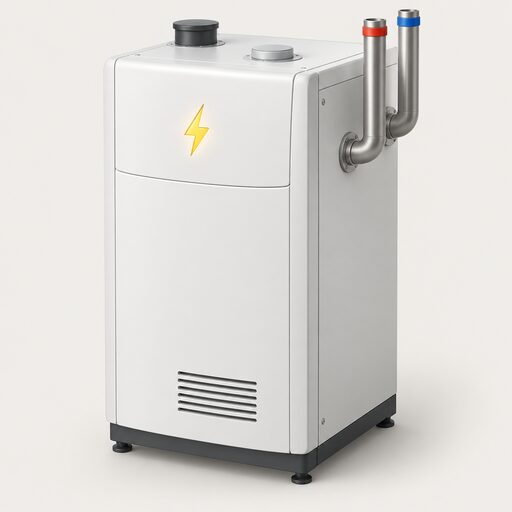
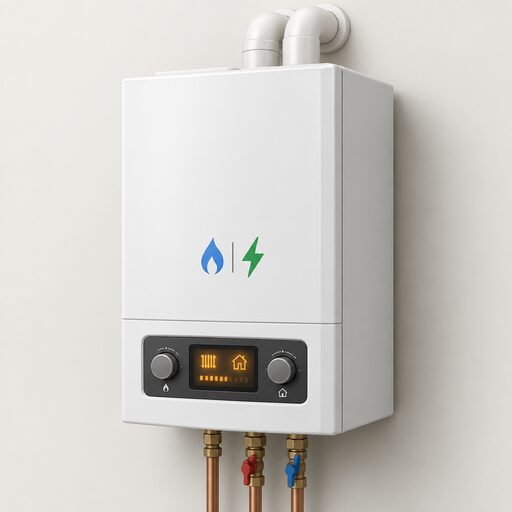
What micro-CHP does today is generate heat and electricity from one fuel. A domestic unit generates about 1kW of electricity while it is running, and it will not cover all of a household's electricity demand, though it reduces reliance on the National Grid1. That is the baseline against which any hydrogen version would be judged, and the figures for hydrogen operation do not yet exist.
Fuel compatibility: natural gas today, hydrogen later
Micro-CHP is a gas appliance. Its primary function is to run central heating for the home, and the unit is gas-fired3. The Microgeneration Certification Scheme describes micro CHP as using fuel efficiently to create heat and electricity, and records mains gas or LPG as the typical fuels1. There is no hydrogen variant in that description.
The hydrogen work that has been done sits with boilers, not micro-CHP. Hydrogen-blend ready boilers are described as able to run with a mixture of 20% hydrogen fuel and 80% natural gas8. Network blending work records that existing boilers and cooking appliances can run on a blend of up to 20% hydrogen with natural gas with no disruption to the appliance9. Micro-CHP is not named in either statement.
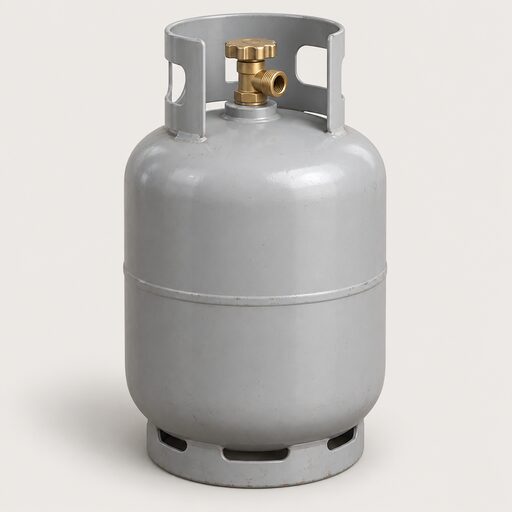
For homes off the gas grid, the liquid gas route offers a different kind of flexibility. Renewable liquid gases can be used with existing infrastructure, including tanks, boilers, fires, cylinders, hobs and ovens, in fact any LPG appliance10. bioLPG conforms to all of the standards associated with LPG supply and usage and has identical chemical, physical and combustion characteristics11, and it is available on the market in the UK today11.
The Government has explored requiring all new natural gas boilers to be hydrogen compatible by 202612. That is a boiler measure under exploration, and it does not extend to micro-CHP.
Why fuel flexibility matters for energy independence
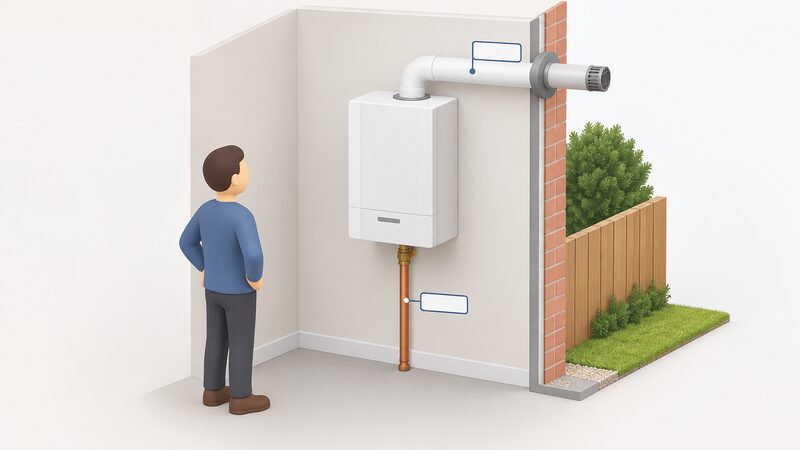
A micro-CHP unit changes where a household's electricity comes from, not just how its heat is made. It generates about 1kW of electricity while running3, and while it will not cover all of a household's electricity demand, it helps to cover some and reduces reliance on the National Grid1. Micro-CHP technologies need an electricity capacity of 50kW or less to qualify under the export rules13.
The independence is partial by design. The unit still burns a delivered fuel, so the household remains connected to a gas or LPG supply, and the electricity it makes is a supplement rather than a substitute. Micro CHP is still considered a low-carbon option because it uses fuel more efficiently than separate heating and grid electricity, even though it uses fossil fuels1.
Fuel choice is where the flexibility sits. Homes on liquid gas are not tied to a single supplier by a contract as they are for gas and electricity and LPG14, which gives a household a choice that a mains gas connection does not. bioLPG is available on the market in the UK today11, and renewable liquid gases work with existing LPG appliances10.
Hydrogen would change the supply chain rather than the principle. Green hydrogen from renewable sources, or pink hydrogen from waste sources, will be important low carbon fuels but will be scarce, and it will be important to focus this where it is most needed15. That framing matters for a domestic appliance: a scarce fuel is not an obvious candidate for the least efficient use of it.
What is not yet settled about hydrogen micro-CHP
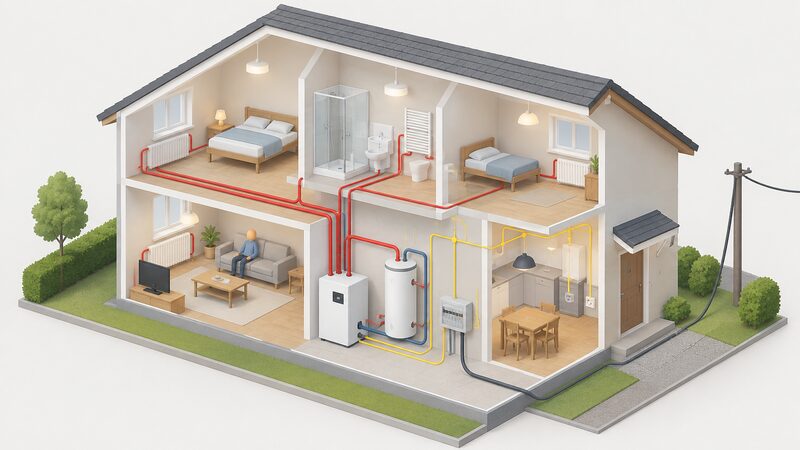
The first unsettled point is the decision itself. The strategic decision on use of hydrogen for heat will not be taken until 20265, and it remained the case that a decision on hydrogen should be taken in 20266. Until that is settled, no domestic hydrogen appliance has a policy foundation to be certified against.
The second is scale. Micro-CHP is not included in the Feed-in Tariff capacity figures because it makes up less than 0.002% of total installed capacity in one quarterly report16, and less than 0.001% in the next17. The two reports give different thresholds. Either way, the technology is a rounding error in the installed base, which is a weak position from which to argue for a dedicated hydrogen supply.
The third is standards. There is currently no agreed control specifications or inclusion of hybrid control systems in standards18. Hybrid systems running on electric along with natural gas, LPG, or oil are described as an effective and immediate interim solution18, but the control standards that would govern them are not agreed.
The fourth is support. Micro-CHP is an eligible technology type for the Smart Export Guarantee19, and the scheme covers solar photovoltaics, wind, micro-combined heat and power, hydropower and anaerobic digestion, up to 5MW, or up to 50kW for micro-CHP, with installations located in Great Britain20. MCS certification is offered for micro combined heat and power units21. For the Warm Homes: Social Housing Fund, low carbon heating must be installed using an MCS approved product, by an MCS certified installer, to the relevant MCS installation standard22. None of these names hydrogen-ready micro-CHP.
Efficiency: more than 90% combined, and what that compares with
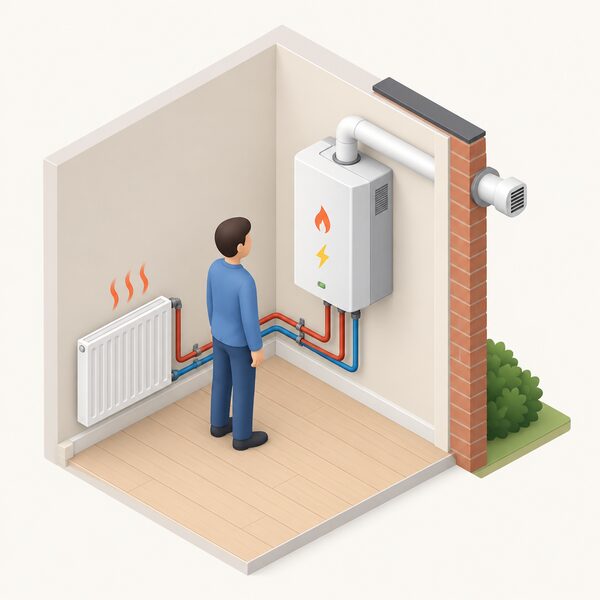
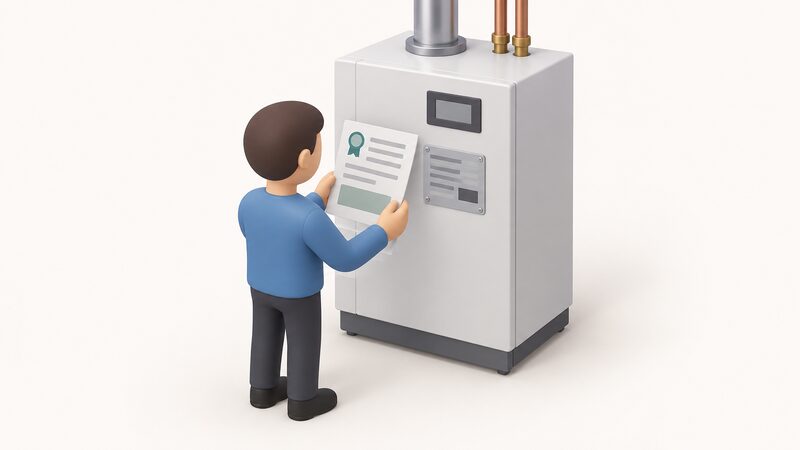
Micro-CHP's case rests on using one fuel twice. Analysis conducted by Cogen Europe suggests that mCHP can achieve primary energy savings of more than 25%7, and mCHP can typically boast combined heat and electricity efficiency levels of more than 90%, compared with the 35 to 45% efficiency of separate generation7. Those are the figures that make a gas appliance a low-carbon option in the scheme's own framing1.
Hydrogen does not change that arithmetic in a way anyone has measured. A hydrogen boiler that works via combustion would not exceed 100% efficiency8. That is a ceiling on combustion, not a figure for micro-CHP, and the two should not be read as equivalent. No source in this material gives a combined efficiency for a hydrogen-fuelled micro-CHP unit.
The practical expectation for a household is therefore the present one: a unit that produces heat and about 1kW of electricity while running3, with combined efficiency above 90% on its current fuel7. Any hydrogen figure would be a new measurement, not an extrapolation.
| Measure | Figure | Applies to |
|---|---|---|
| Primary energy saving | more than 25% | mCHP, Cogen Europe analysis7 |
| Combined heat and electricity efficiency | more than 90% | mCHP7 |
| Separate generation efficiency | 35 to 45% | comparison figure7 |
| Combustion efficiency ceiling | would not exceed 100% | hydrogen boiler8 |
| Electricity output | about 1kW while running | domestic CHP3 |
Certification and support: what a buyer can actually check
There is no hydrogen-compatibility label to look for, because no hydrogen micro-CHP model exists to carry one. What exists is a certification chain. MCS certification is offered for micro combined heat and power units21, and the scheme's product coverage includes micro combined heat and power units23.
The Product Eligibility List shows the makes and models of renewable heating products which have been assessed as eligible for the scheme based on information supplied by the Microgeneration Certification Scheme24. That list is the record of what a named model is approved to do, and it is the document that would change if a hydrogen model were certified.
Support follows certification rather than fuel. Micro-CHP is an eligible technology type for the Smart Export Guarantee19, with a capacity limit of up to 50kW for micro-CHP20. The scheme's statistics cover the number of solar photovoltaic, wind and micro combined heat and power installations registered on the MCS database25. For the Warm Homes: Social Housing Fund, an MCS approved product installed by an MCS certified installer to the relevant MCS installation standard is the requirement22.
One adjacent rule is worth noting for anyone watching certification timelines. Air-to-air heat pumps are not eligible for the WH:SHF until they are able to be certified by MCS, which is expected in 202622. That shows how a technology waits on certification rather than on policy intent, and micro-CHP sits in the same queue for any hydrogen variant.
Where a hydrogen micro-CHP unit would still depend on others
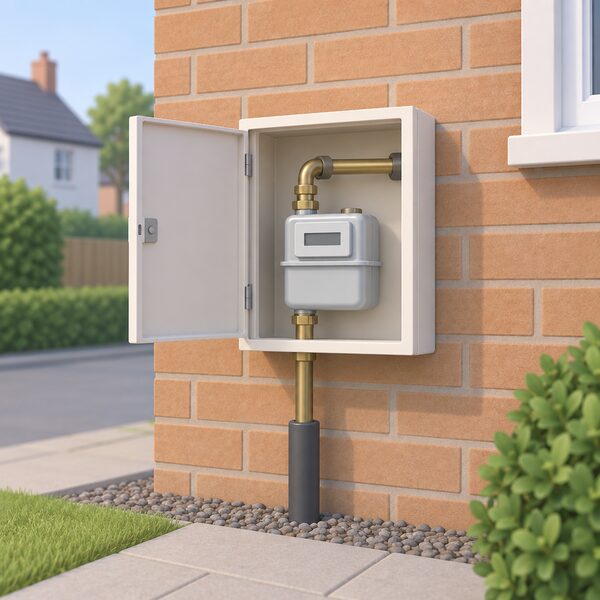
Even a hydrogen-fuelled unit would not make a home self-sustaining. It would still burn a delivered fuel, so the household would depend on a hydrogen producer, a network and a supplier. Green and pink hydrogen are described as important low carbon fuels but scarce, and it will be important to focus this where it is most needed15. A domestic heating appliance is one of many claimants on that supply.
The electricity side would remain partial. A unit generating about 1kW while running will not cover all of a household's electricity demand1, so the grid connection stays. Export arrangements would still be needed for any surplus, and those run through the Smart Export Guarantee for eligible technologies19.
The appliance side would depend on a manufacturer. Micro-CHP is primarily manufactured in the UK7, which is a stronger position than many emerging technologies, but it is still a single supply chain for parts, service and warranty. Certification would depend on MCS and on the Product Eligibility List being updated21.
For a household weighing this today, the honest position is that micro-CHP is a gas or LPG appliance with a certification and support framework around it, and hydrogen micro-CHP is a question waiting on a decision expected in 20265. The hydrogen home heating trials and the hydrogen appliance testing and certification work are where that evidence is being built. Households comparing routes can read hydrogen-ready boiler or heat pump and can my existing gas boiler run on hydrogen, and the wider picture sits in the emerging home energy technology guide.
Sources26 cited
- Micro CHP, MCS Certified, 2026-08-17
- Microgeneration energy guide, Uswitch, 2026-06-08
- Micro combined heat and power, nidirect, 2026-09-17
- DESNZ public attitudes tracker: heat and energy use in the home, winter 2025, DESNZ, 2026-03-12
- Net Zero by Design, BEAMA, 2026
- Public Accounts Committee report, UK Parliament, 2024-05-26
- HHIC consultation response, HHIC, 2026-09-17
- Hydrogen boilers: what you need to know, Which?, 2026-09-17
- Hydrogen blending, Cadent Gas, 2026-09-20
- Biomass strategy, Liquid Gas UK, 2026-09-20
- bioLPG, Liquid Gas UK, 2026-09-20
- Heat and Building Strategy: gas boilers phase-out, IEA, 2026-04-11
- Smart Export Guarantee, Ofgem, 2026-09-17
- Help and advice, UKIFDA, 2026-01-29
- Response to SSAC questionnaire on hydrogen, Energy Saving Trust, 2026-04-23
- Feed-in Tariffs quarterly report, issue 63, Ofgem, 2026-03-30
- Feed-in Tariffs quarterly report, issue 64, Ofgem, 2026-06-29
- HHIC hybrid heat pump guidance, HHIC, 2026-09-17
- Smart Export Guarantee: generators, Ofgem, 2026-09-17
- Smart Export Guarantee briefing, UK Parliament, 2026-05-13
- MCS microgeneration certification, BSI, 2026-09-17
- Warm Homes: Social Housing Fund wave 3 scheme guidance addendum, DESNZ, 2026-06
- MCS certification scope, BSI, 2026-09-17
- Product Eligibility List, Ofgem, 2026-09-17
- Feed-in Tariffs quarterly statistics, Ofgem, 2026-09-17
- Clean Flexibility Roadmap, July 2026 update, DESNZ, 2026-09-17
 Fuel Cell Cars as Home PowerCan you really run your home from a hydrogen car?
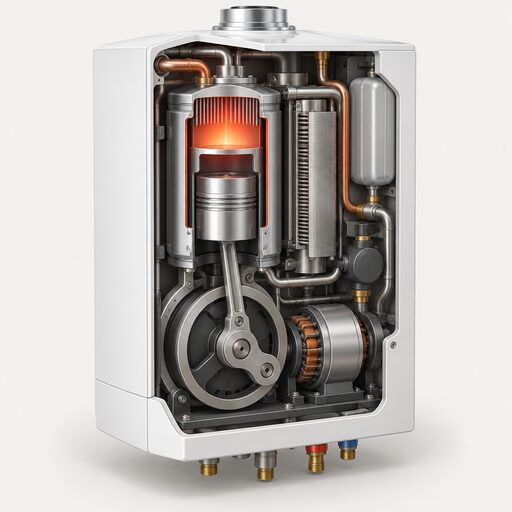 Micro-CHP TypesWhich type of micro-CHP actually gets fitted in UK homes, and how much electricity does one make while it heats your house?
 Micro-CHP for HomesA micro-CHP boiler makes electricity while it heats your home, but only when the heating is on.
 Microgeneration and IndependenceWhat can you use when solar cannot cover winter evenings, and does it really make you independent?
 Hydrogen Home Heating TrialsHydrogen home heating is still being tested, not sold.
 Micro-CHP Cost and OutputDomestic micro-CHP costs more than a conventional boiler and produces roughly 1kW of electricity alongside its heat.