
In this comparison
N-type and P-type describe the silicon wafer at the heart of a solar cell, and the difference comes down to one electron. N-type cells use phosphorous, which has one more electron and gives the base layer of the cell a negative charge, hence the name. P-type cells use boron, which has one fewer electron and leaves the base layer positive1. That single substitution changes how the cell behaves over decades on a roof, and it is the reason most high-efficiency modules sold in the UK now carry an N-type label.
The distinction is not new. The first solar cell made in 1954 was an N-type cell, and P-type only took over because it performed better against radiation exposure and was therefore well suited to use in space1. What has changed is manufacturing: N-type wafers are now produced at a cost that makes the finished module price comparable to similar-output P-type products, and the slight uplift in up-front cost is outweighed by more power overall1.
For a UK householder, the practical question is what the cell type does to the datasheet, the warranty and the roof. N-type modules tend to carry longer output warranties with a less steep decline than P-type equivalents1, and the makers behind them publish product and performance cover separately. The sections below set out the cell-level difference, the efficiency records, the two makers named in the plan, the warranty structure, and what happens when a model is discontinued.
N-type and P-type cells: the one-electron difference that sets them apart
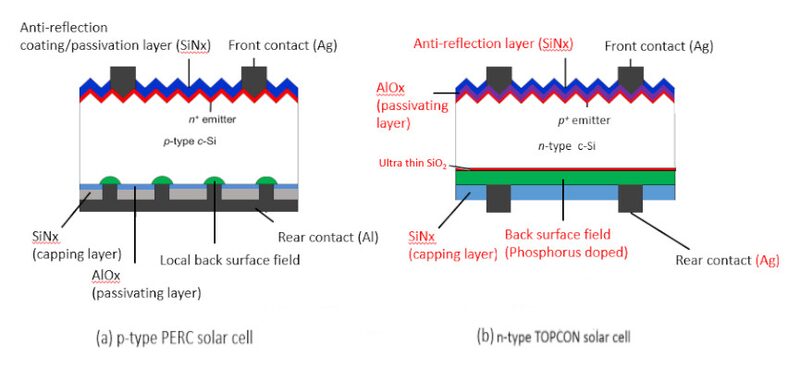
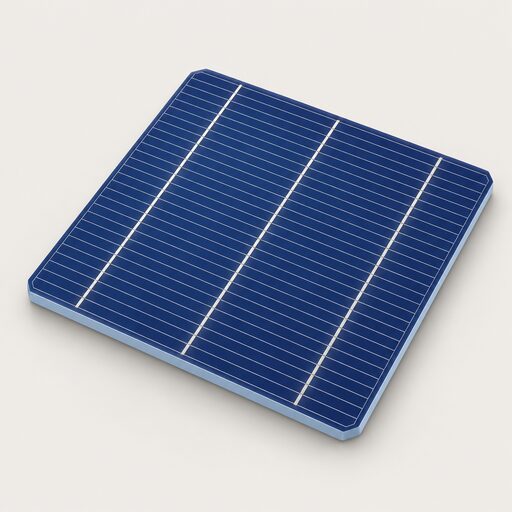
A solar cell is a sandwich of silicon with different doping on each side. In a P-type cell the main ingot, and therefore the base layer, is doped with boron1. In an N-type cell the base layer is doped with phosphorous1. Boron has one fewer electron in its outer shell than silicon, phosphorous has one more, and that is the whole of the naming convention.
The consequence that matters on a roof is light-induced degradation. The maker guidance states that phosphorous doping does not have this issue, meaning that N-type panels will have far better lifetime performance since they will degrade much less quickly1. That is a claim from a distributor's technical guidance rather than an independent laboratory result, so the direction of the effect is well supported while the size of the difference should be treated as reported rather than measured.
Cell material sits inside a wider set of choices. Monocrystalline panels draw their increased efficiency from the single-crystal silicon that makes up the photovoltaic cells5, and polycrystalline panels are slightly less efficient than monocrystalline, appearing as visible crystals in different shades of blue6. N-type and P-type is a separate axis from mono and poly, though in practice nearly all N-type modules sold now are monocrystalline.
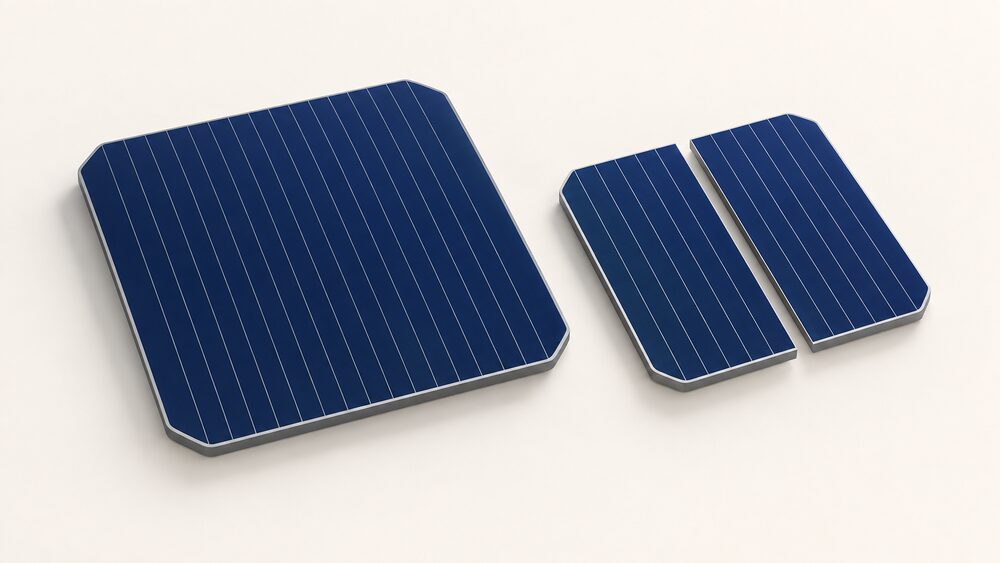
Manufacturers have also changed how they cut the wafer. Cutting the cells into halves, or thirds, or quarters reduces resistive losses and allows more cells to fit the same module footprint7. A half-cut N-type cell is now the common building block, which is why datasheets often describe a module by cell count rather than by wafer size.
Why N-type has become the default in high-efficiency panels
The shift to N-type at the top of the market followed the brands that were chasing efficiency records. Many of the panels known for their efficiency, by the likes of LG, Panasonic, Sunpower and REC, use N-type in some form1. Once those products established the performance ceiling, the mainstream makers moved their premium lines across.
Price is the other half of the story. Prices are already comparable to similar outputs in P-type products, and the slight uplift in up-front cost is outweighed by more power and thereby return overall1. That removes the main commercial objection to specifying N-type, and it explains why the technology has moved from a niche premium option to the default specification on high-efficiency modules.
Independent commentary has followed. A guide reviewed in July 2026 names LONGi and AIKO N-type modules as the best panels available in the UK in 20268. A separate guide updated in August 2026 ranks the LONGi Hi-MO X10 485W as best overall at 23.8% efficiency9. These are editorial rankings rather than test results, and Which? notes that in the UK solar panels are sold via installers rather than direct to consumers, which is why it does not name individual Best Buys10.
The practical effect for a householder is that the N-type label no longer signals a premium product so much as a current one. A quote that specifies P-type cells in 2026 is likely to be describing older stock or a value line rather than a technical alternative.
Efficiency: what the cell records mean for your roof
Cell efficiency records and roof yield are different numbers, and the gap between them is where most confusion sits. A record efficiency is measured on a cell under laboratory conditions; what reaches the roof is a module figure, and what reaches the meter is a system figure after inverter losses, cabling and shading.
The planning framework gives a useful benchmark for what a roof can be expected to carry. Approved Document L works from a panel efficiency of 0.22 kWp/m2 for roof-mounted photovoltaic arrays on dwellinghouses11. That is a planning assumption rather than a product specification, but it is a reasonable planning figure for a modern module.
Roof geometry then constrains the rest. The size of your roof may dictate the type or number of solar PV panels you can have installed5, and building regulations apply to roof-mounted panels due to the additional loading on the roof structure and the associated electrical works12. A higher-efficiency module matters most where roof area is tight, because it raises the kilowatt peak that fits in a fixed footprint.
Module formats have grown to accommodate this. Panel makers have moved to larger wafers and more cells per module, with cells cut into halves, thirds or quarters to manage the electrical characteristics7. The result is that a current N-type module often delivers more power per square metre than the P-type module it replaces, without any change to the roof.
LONGi and DMEGC Solar: the makers behind N-type modules
Two makers appear repeatedly in UK N-type specifications, and both publish enough detail to describe their products without ranking them.
LONGi's latest-generation residential panel is a 66-cell module using TaiRay wafers and HPBC 2.0 back-contact technology2. Back-contact moves the electrical connections to the rear of the cell, which removes the busbar shading from the front face. The product series is listed simply as Latest Generation2. LONGi has also announced a single perovskite-silicon cell efficiency of 35.5%, a laboratory result rather than a product specification13.
DMEGC Solar combines 45 years of experience4 and publishes separate contact addresses for business consulting and service support14. Its current N-type module line is described as equipped with advanced N-type TOC cell technology4. The company also operates a versioned warranty system, with the Limited Warranty DMW-STD02N-2026001 applying to N-type modules from 1 April 20264.
A third example shows how the specification language reads on a current product. The TCL Solar 500W T-Class module is listed with N-type TOPCon half-cut cell technology, a 30 mm thickness and a glass backsheet15. Glass on both faces is a common feature of N-type premium lines and is covered in more detail on bifacial and glass-glass solar panels.
| Maker | Product detail | Cell technology | Source |
|---|---|---|---|
| LONGi | Latest Generation, 66 cells | HPBC 2.0 back contact, TaiRay wafer | 2 |
| DMEGC Solar | N-type module line | N-type TOC | 4 |
| TCL Solar | 500W T-Class | N-type TOPCon half-cut | 15 |
Warranty and output guarantees on N-type modules
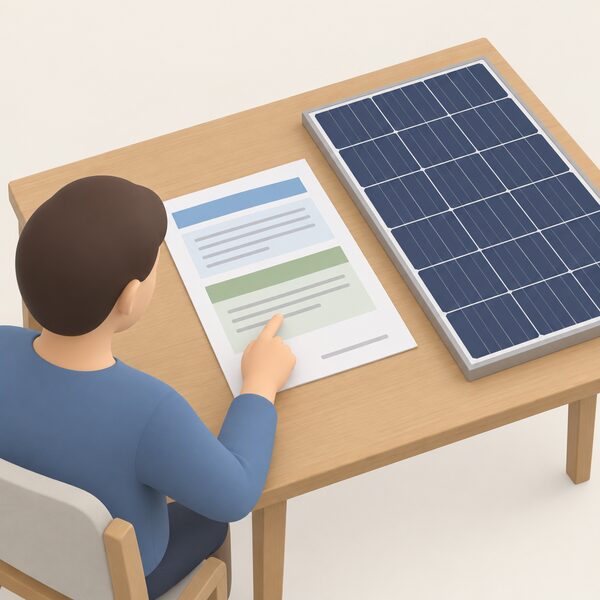
Warranty structure is where the cell chemistry shows up most clearly in a quote. Output warranties on N-type panels tend to be longer, and less steep in their decline, compared with P-type panels1. That is the maker guidance position, and it is consistent with the terms the makers publish.
LONGi's product page lists a 12-year materials and product warranty and a 30-year linear power output warranty as separate items2. The two cover different risks: the first covers defects in materials and workmanship, the second guarantees a minimum output percentage over the term. LONGi support material also refers to a 25-year limited product warranty, so the two figures conflict and a buyer reading the terms should check which document applies to the specific module.
For context on the wider market, most solar panels come with a 25-year performance guarantee3. Some makers go further: Solarwatt's glass-glass modules carry a 30-year product and performance guarantee16. Backsheet durability has been studied directly, with experimental results comparing the behaviour and performance of four kinds of PV module backsheet17, which is the kind of failure that a product warranty is designed to cover.
"Linear Power Output Warranty
Warranty terms are versioned by date, and DMEGC Solar's current N-type document applies to modules supplied under agreements from 1 April 20264. A householder buying in 2026 should expect the warranty schedule attached to the quote to name the document version, not just the number of years.
Discontinued models and what that means if you own one
Discontinued models are normal in solar, and two appear in the material behind this page. The Trina TSM-450W NEG9R.28 N-Type Solar Panel Black Frame 450W is listed as discontinued18, and the DMEGC DM400M10-54HBB has been discontinued19. Neither listing gives a reason, and discontinuation in this market usually reflects a maker moving its range to newer cell formats and higher outputs rather than any fault.
For owners, the warranty survives the model. What changes is the practical route to a replacement: a failed module is normally matched on electrical characteristics rather than model number, because string inverters need modules with similar current and voltage behaviour. That is a reason to keep the original datasheet with the commissioning paperwork.
Planning rules also impose a removal condition. Under the Northern Ireland permitted development rules, any solar PV or solar thermal equipment no longer used to provide heat or energy shall be removed as soon as reasonably practicable20. The same condition appears in the stand-alone solar class21 and in the consolidated rule22. In Wales, stand-alone solar which is no longer needed for or capable of microgeneration must be removed as soon as reasonably practicable23. Equivalent conditions appear in the older non-domestic and stand-alone classes24.
N-type or P-type: which suits a UK home
The honest answer is that the cell type is rarely the deciding factor. Solar photovoltaic panels fall into crystalline cells, thin-film and hybrid types27, and within crystalline silicon the mono and poly distinction matters more to appearance and efficiency than the doping does to most buyers.
What actually constrains a UK installation is roof area, orientation and the electrical connection. The size of your roof may dictate the type or number of solar PV panels you can have installed5, and building regulations apply because of the additional loading on the roof structure and the associated electrical works12. Where roof area is generous, a slightly lower-efficiency module can deliver the same annual yield at lower cost per kilowatt peak.
Adoption remains low, which shapes the market. Under 5% of the UK's 29m homes have solar panels28, and in England PV panels were more likely present on houses and bungalows at 7% compared with flats at 3%29. Scotland sits at 44 systems per 1,000 households compared with 44 per 1,000 in England30. With so few roofs fitted, most buyers are specifying a system for the first time and relying on the installer's judgement.
For smaller or rented properties, plug-in solar is a separate route. Plug-in solar devices are classified as compact, two-component or multi-component devices31, and they are designed to connect directly to a standard UK household socket, with extension cables not permitted32. That is a different regulatory path from a roof array and is covered on plug-in solar kits.
What N-type panels mean for household energy independence
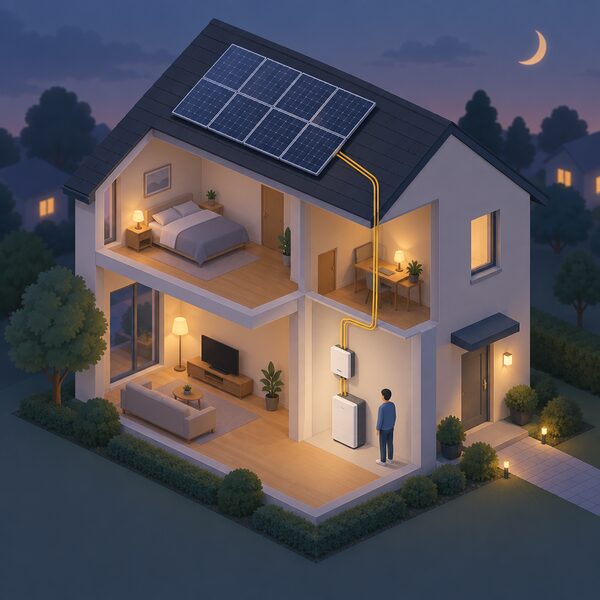
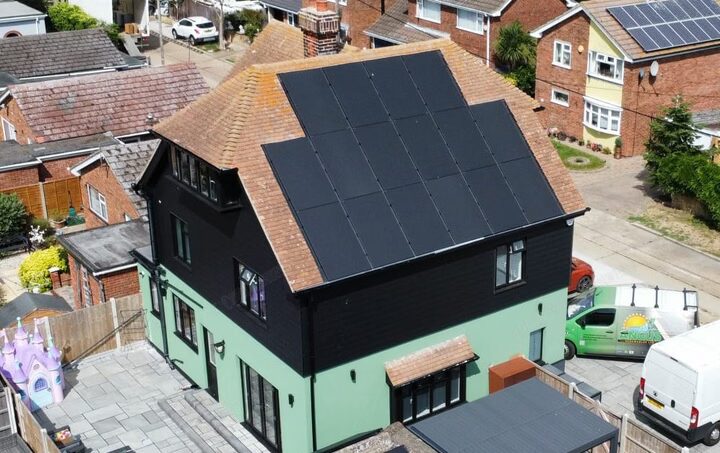
Solar panels convert sunlight into clean, renewable electricity33, and photovoltaic panels capture energy from the sun and turn it into electricity for your home to use34. That is the core of what a roof array does for independence: it substitutes self-generated electricity for imported units.
The economics of self-consumption reinforce it. Rates for selling electricity to the grid are much lower than tariffs for using electricity from the grid, so using solar electricity yourself is much more cost-effective34. Adding storage shifts more of the generation into the evening: rooftop solar systems with home batteries mean less electricity is drawn from the grid, reducing the amount paid in bills35. Home batteries use lithium-ion and lead-acid technologies36, and the choice between them affects how much of the array's output can be shifted.
What remains is dependence. A grid-connected array still relies on the network for import when generation is low and for export when it is high, and it relies on an inverter, a monitoring app and, in most cases, a manufacturer's continued operation for warranty service. N-type cells improve the degradation profile and the warranty term, which lengthens the period over which the array keeps producing, but they do not remove the connection. The independence gain is real and measurable in units not imported; it is not independence from the grid.
Sources37 cited
- N-type mono solar panels, Midsummer Wholesale, 2026-09-19
- LONGi Hi-MO S10, LONGi, 2026-09-17
- Solar panels guide, Uswitch, 2026-09-16
- DMEGC Solar N-type module documentation, DMEGC Solar, 2026-09-17
- Solar panel installation, maintenance and repair, NICEIC, 2026-09-17
- Solar photovoltaic, Centre for Alternative Technology, 2026-03-10
- Why are solar PV panels getting bigger, Solar Energy UK, 2021-06-08
- Best solar panels, Spirit Energy, 2026-07
- Most efficient solar panels, Heatable, 2026-08-11
- How we test solar panels, Which?, 2026-08-12
- Approved Document L, Volume 1: Dwellings, HM Government, 2026
- Solar photovoltaic (PV) panels, London Borough of Bromley, 2026-09-17
- Improving solar technology, Sunsave, 2026-07
- DMEGC Solar case studies, DMEGC Solar, 2026-09-17
- TCL Solar 500W T-Class N-Type TOPCon Bifacial Full Black Solar Panel, Alternergy, 2026-09-19
- Solarwatt opens three new production facilities, Flexi-Orb, 2021-09-23
- Fire and solar PV systems: literature review, HM Government, 2015
- Trina TSM-450W NEG9R.28 N-Type Solar Panel Black Frame 450W, Tradesparky, 2026-09-17
- DMEGC DM400M10-54HBB 400W all black solar panel, Tradesparky, undated
- The Planning (General Permitted Development) Order (Northern Ireland) 2015, Part 2, legislation.gov.uk, 2026-09-17
- The Planning (General Permitted Development) Order (Northern Ireland) 2015, Part 37, legislation.gov.uk, 2026-09-17
- The Planning (General Permitted Development) Order (Northern Ireland) 2015, legislation.gov.uk, 2026-09-17
- Town and Country Planning (General Permitted Development) (Wales) Order 2012, legislation.gov.uk, 2012-05-19
- The Planning (General Permitted Development) Order (Northern Ireland) 2013, legislation.gov.uk, 2013-04-08
- Town and Country Planning (General Permitted Development) (Wales) Order 2009, legislation.gov.uk, 2009-08-09
- The Planning (General Permitted Development) Order (Northern Ireland) 2015 (full text), legislation.gov.uk, 2015-02-25
- Generating your own energy: solar electricity, Welsh Government, 2026-09-17
- Solar Wizard calculator, Centre for Sustainable Energy, 2026-05-06
- English Housing Survey 2023 to 2024: low carbon technologies in English homes, Ministry of Housing, Communities and Local Government, 2023
- Uptake of net zero technologies in Scottish homes, Energy and Climate Intelligence Unit, 2026
- Plug-in solar interim product specification, HM Government, 2026-06
- Plug-in solar, Electricity North West, 2026-09-20
- Solar panels and permitted development, London Borough of Richmond upon Thames, 2026-07-06
- Solar panels, London Borough of Hammersmith and Fulham, 2026-09-17
- Batteries in the home, Solar Energy UK, 2026-09-17
- Solar battery storage guide, Independent Assessment Association, 2026-09-20
- ECO4 Measures Table v1.0, Ofgem, 2022-10-11
 Solar Cell TechnologyBuying solar panels means choosing between cell types that work in different ways.
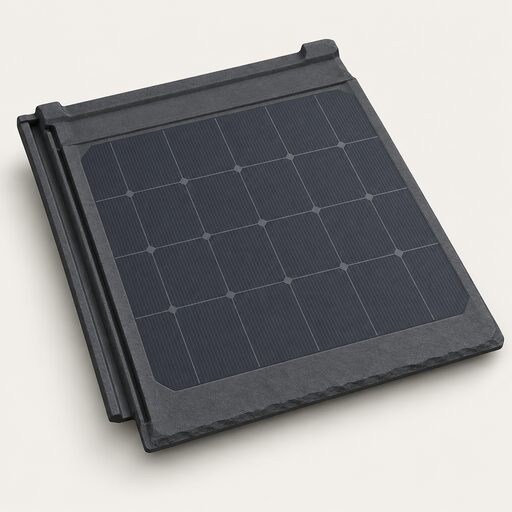 Roof-Integrated SolarSolar tiles replace your roof covering instead of sitting on top of it, so the finished roof looks like a roof.
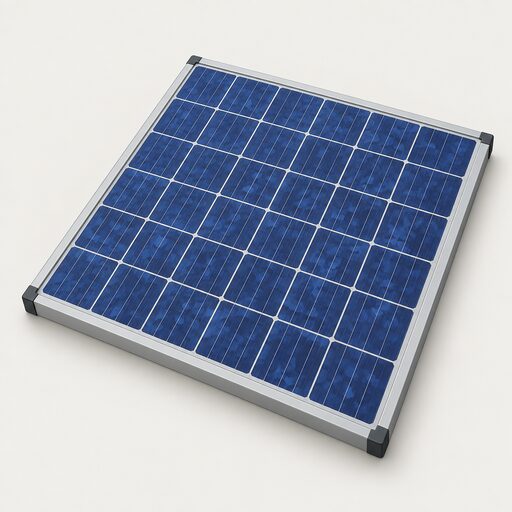 Panel TypesWhich solar panels are best for a UK home, and how much do they cost?
 Solar Mounting SystemsWill your roof take the extra weight of solar panels, and will it still keep the rain out afterwards?
 Panels by Home TypeCan your house have solar panels, and how many will fit?
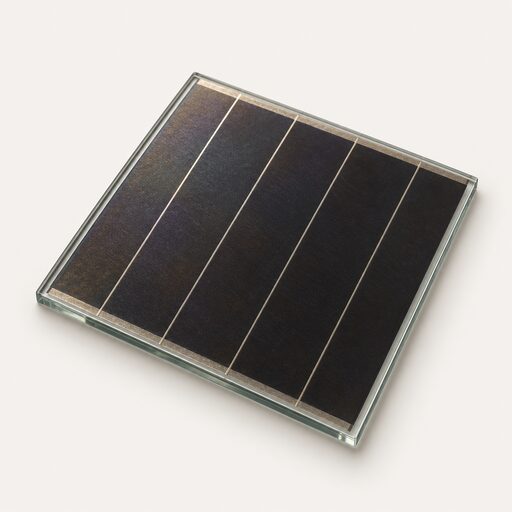 Perovskite Solar CellsPerovskite solar panels are a newer kind of panel that could be cheaper and more efficient than the ones sold today.