
In this comparison
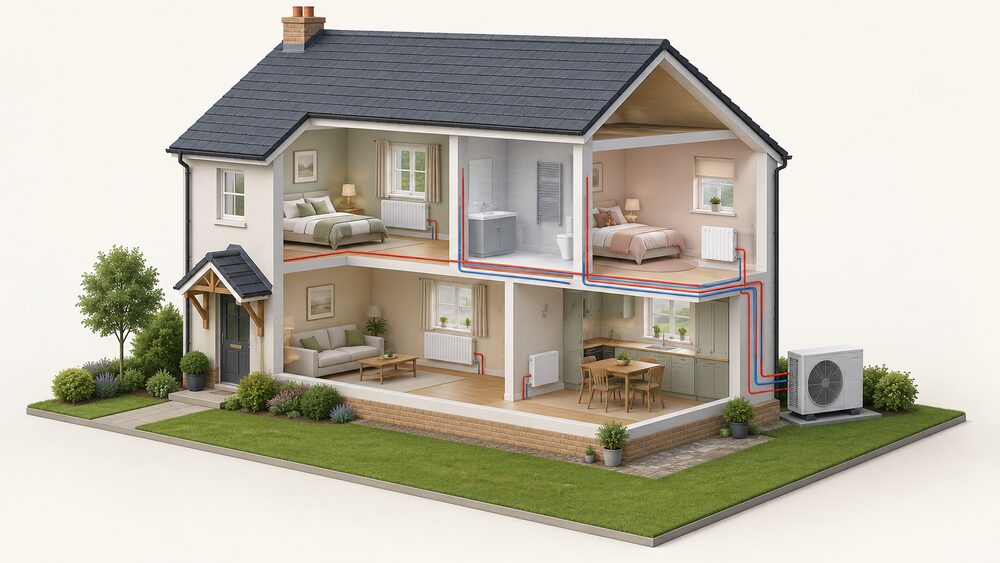
No, electric radiators are not cheaper to run than a heat pump in most UK homes. Both run on electricity, so both pay the same unit price, but they turn that electricity into heat at very different rates. Direct electric heating, which includes electric radiators and panel heaters, is 100% efficient at the point of use: every unit of electricity becomes a unit of heat1. A heat pump moves heat rather than making it, and for each kilowatt of electricity used it delivers three to four times more usable heat than direct electric heating2.
That gap is the whole answer. The Energy Saving Trust puts heat pumps at about three times more efficient than standard electric heaters1, and Electricity North West describes them as using only a quarter of the electricity conventional electric heaters need to produce the same amount of heat3. The same comparison against infrared heating is typically two to four times less electricity for the same heat4.
The complication is not the heater, it is the tariff. Electricity costs around four times as much as gas per kWh5, and the unit price of electricity is almost four times higher than gas6. A heat pump overcomes that ratio through efficiency; a direct electric radiator cannot, because it has no efficiency headroom left to give. Where a heat pump is poorly sized, or the home loses heat faster than it can be replaced, the advantage narrows.
What each option offers a UK household
Electric heating is any system that uses electricity as the main energy source to heat a home1. The category covers electric radiators, electric panel heaters, storage heaters and infrared panels, and it is already widespread: 9% of households in England and Wales use electric heating8. Direct electric systems are more common in flats and new-build homes, and can be very expensive to run9.
A heat pump is also electric, but it is a different machine. More than 95% of heat pumps sold in the UK use electricity as the driving fuel10, and the overwhelming majority of those, 87%, are air-to-water units that feed a wet central heating system11. In 2023 there were 430,000 residential heat pumps in the UK12.
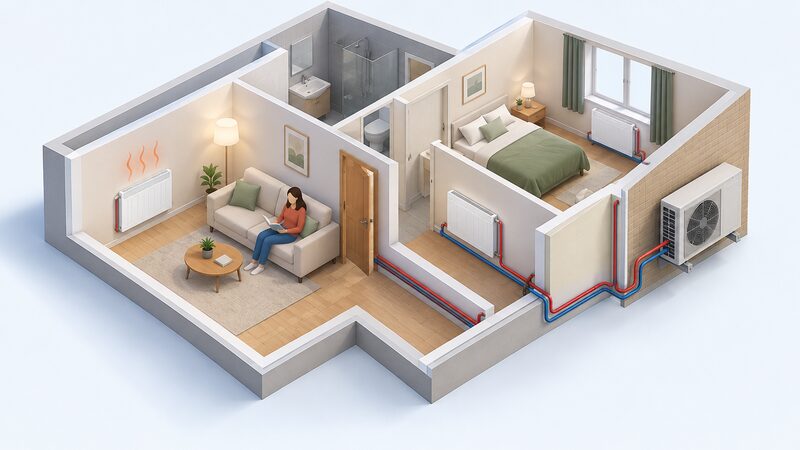
The practical difference is how heat reaches the room. A heat pump sends water to pipes and radiators at a lower temperature than traditional gas or oil boilers13, which is why it suits a wet system that runs long and steady rather than hot and fast. Electric radiators heat the room they stand in, and each unit can be controlled individually or the whole system centrally, depending on the type14. Some heaters draw electricity at a cheaper rate to store heat for later; others use electricity when heat is wanted14.
For a household, that shapes what independence looks like. Electric radiators need no gas connection and no flue, and nearly every household in the UK has access to the electricity grid, though not all are connected to gas5. A heat pump keeps that grid dependence but cuts the amount of electricity needed to stay warm, which is the part a household can actually control.
Specifications: efficiency, emitters and what the numbers mean

The headline specification is the ratio of heat out to electricity in. Heat pumps deliver three to four times more usable heat per kilowatt of electricity than direct electric heating like electric radiators or boilers2. Against gas boilers, heat pumps use about 3 to 4 times less energy to produce the same heat6, and they are more than three times more efficient than gas boilers15. The Welsh Government puts heat pumps at up to three times more efficient than other heating systems16.
Direct electric heating has one specification that is genuinely strong: all electric resistance heating products are 100% efficient at the point of use7. Nothing is lost at the heater. The problem is that 100% is the ceiling, while a heat pump's effective output is a multiple. Direct electric panel heaters and night storage heaters are at least three times less efficient than heat pumps, which makes them very expensive to run17.
| Measure | Direct electric radiator | Heat pump |
|---|---|---|
| Efficiency at point of use | 100%7 | Not applicable; moves heat rather than generating it |
| Heat per unit of electricity | Baseline | Three to four times more than direct electric2 |
| Electricity used for the same heat | Baseline | About a quarter of conventional electric heaters3 |
| Energy versus a gas boiler | Higher running cost per unit of heat | 3 to 4 times less energy than a gas boiler6 |
| Emitters needed | None beyond the unit itself | Radiators, underfloor heating, or a combination18 |
| Flue or pipework | Not normally required7 | Refrigerant and water pipework to the outdoor unit |
Installation requirements differ sharply. Electric space heating does not normally require a flue or pipework, and most products need only a connection to the electric circuit7. In new build, an electric heater can be installed at the second fix wiring stage, and heaters can be added to a system at any stage as budgets allow because they operate as stand-alone units7.
A heat pump is more demanding. When installed as a replacement for gas or liquid fuel heating, it will usually need more or larger heat emitters, or substantially improved building insulation, adding to an already high installation cost19. Heat pumps can work with radiators or underfloor heating, and some types work without either14. The emitter question is covered in more detail in radiators and emitters for a heat pump.
What the warranty covers, and what it does not
Heat pump installation typically carries two layers of guarantee: a manufacturer's warranty covering the equipment itself, and an installer's guarantee covering the quality of the workmanship and the installation as a whole20. That split matters because a fault can sit on either side of it. A failed compressor is an equipment claim; a leaking joint or a badly balanced system is a workmanship claim.
Before committing, it is worth understanding what the warranty covers, who is responsible for servicing, and whether the manufacturer offers remote monitoring for troubleshooting21. Servicing conditions are the common trap: a warranty that requires an annual service will not pay out if the service record is missing. The relationship between servicing and cover is set out in heat pump servicing and warranty.
Electric heating sits at the other end of the scale. It needs very little maintenance, and safety checks are only needed every five years1. Electric space heaters need no regular maintenance at all7, and there is no annual boiler service as there would be with gas central heating5. Electric space heaters can also last an average of 50% longer than a conventional fossil-fuel heat source7.

What it costs to buy and to run
Running cost is where the comparison is decided. Heat pumps are much more efficient than traditional electric heating options, which makes them cheaper to run5. For a typical-sized home, a heat pump currently costs about the same to run as a gas boiler, with the unit price of electricity almost four times higher than gas6. That is the benchmark: a heat pump matches gas, and gas is far cheaper per unit than electricity.
Direct electric heating cannot match that. Electricity is around four times more expensive than gas per unit1, and electric heating is more efficient than using a boiler, but the higher cost of electricity more than offsets that advantage1. The carbon picture is similarly mixed: electric heating at off-peak and standard rate is now lower carbon intensive than fossil-fuel heating alternatives7, but electric heating carries a carbon footprint around three times that of gas and twice that of oil-fired central heating per unit of heat delivered22.
The strongest real-world evidence comes from households that actually switched. Participants in the Electrification of Heat demonstration project who replaced electric storage heaters, plug-in radiators or bottled LPG almost always reported lower bills17. That is a direct comparison of electric heating against a heat pump in occupied homes, not a modelled one.
Purchase prices are installer-quoted for both technologies, and no published figure applies across the market. What can be said is that the heat pump side carries the higher upfront cost, because of the emitter and insulation work described above19, while electric radiators are simple to add incrementally7. Running costs are covered in more depth in heat pump running costs.
Where electric radiators still make sense
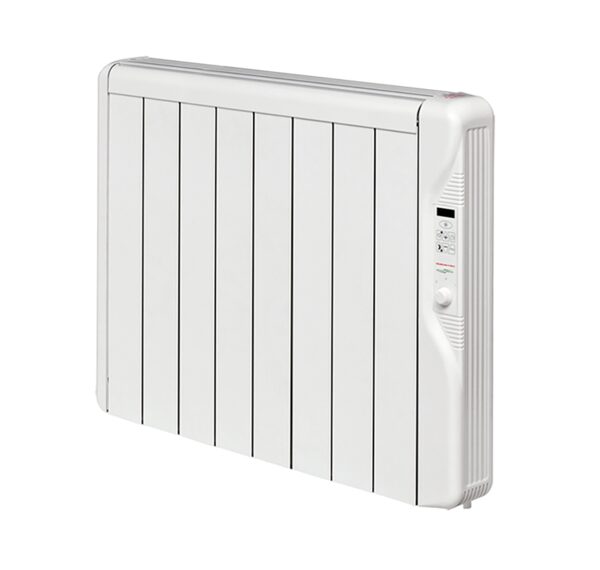
Direct electric radiators are a suitable option where there is a requirement for rapid response or intermittent heating, and they are particularly sustainable with self-generated energy such as from photovoltaic panels23. That is a real use case: a room used for an hour in the evening, or a home with solar generation that would otherwise be exported.
The other case is a property where a wet system is impractical. Electric heating does not require the home to be insulated1, which matters in older or hard-to-treat buildings, and it needs no flue or pipework7. For a flat with no gas supply and limited space for an outdoor unit, direct electric heating is often what is already installed.
The limits are running cost and scale. Heating a whole home through a British winter on resistance heating means paying the full electricity unit price for every unit of heat, with no efficiency multiplier to soften it. The Energy Saving Trust recommends getting quotes from at least three installers for any new electric heating system1, and the same discipline applies on the heat pump side, where how many heat pump quotes to gather is a common question.
For homes weighing a heat pump against other electric options, the comparisons in heat pump vs infrared panels and air-to-air vs air-to-water heat pumps set out where each fits.
What it means for household energy independence
A heat pump changes what a household is dependent on. It runs on electricity rather than gas, and it is typically over three times more efficient than the most efficient gas boilers or electric heaters24. Households with a heat pump and an electric vehicle are far less dependent on foreign oil and gas imports and make more use of British electricity25. Insulating homes and running electric heat pumps and cars on an even mix of wind and solar would boost energy independence25.
The system-level effect is measurable. Scaling up heat pumps and electric vehicles currently reduces UK fossil fuel demand by four times more than the additional electricity demand it creates12. Electric heat pumps also cut heating emissions by up to 70% compared to gas boilers26.
What remains is grid dependence. Nearly every household in the UK has access to the electricity grid, though not all are connected to gas5, so a heat pump household trades a gas supply for a larger electricity demand. It still relies on a supplier, on the transmission network, and on the manufacturer for controls, monitoring and spare parts. Reducing the price of electricity relative to gas would make heat pumps more competitive8, which is a policy lever rather than something a household controls.
Direct electric heating carries the same grid dependence without the efficiency gain, so it does not move a household further towards independence; it simply removes the gas connection. The wider picture is set out in heat pumps and household energy independence, and the full technology overview sits in the heat pumps guide.
Sources26 cited
- Electric heating, Energy Saving Trust, 2026-07-01
- Interim boilers for broken heating, Nesta, 2026-09-17
- Heat pumps, Electricity North West, 2026-09-19
- Infrared heating explained, Energy Saving Trust, 2026-03-13
- Electric central heating, Which?, 2025-09-22
- Domestic heating technology options, Nesta, 2025-02-03
- Benefits of electric space and water heating, BEAMA, 2026-09-17
- Energy security and clean electrification, UK Parliament, 2026-09-19
- The best heating for your home, Which?, 2025-09-22
- Domestic Heat Pump Guide, MCS Certified, 2024-04-02
- Electrification of heat, BEAMA, 2021-10
- Electric vehicles and heat pumps reduced UK fossil fuel consumption, Ember, 2024-10-21
- Underfloor heating, Energy Saving Trust, 2025-10-02
- Heating your home, Energy Saving Trust, 2026-05-19
- Boilers, Energy Saving Trust, 2026-05-20
- Your essential guide to heat pumps, Welsh Government, 2025-02-20
- Heat pump transition report, UK Government, 2026-05
- Heat pump inheritance, Energy Saving Trust, 2025-07-04
- Off-gas grid heating options, OFTEC, 2026-09-17
- Heat pump certifications, The CPA, 2026-04-02
- Avoiding costly mistakes, Flexi-Orb, 2025-02-11
- Heating fuel guide, Uswitch, 2026-01-27
- Low temperature heating, CIPHE, 2024-01-25
- Bristol Warm Homes Plan, Bristol City Council, 2025-04
- Household energy buying British, ECIU, 2024-04-15
- What does net zero mean, Smart Energy GB, 2026-03-16
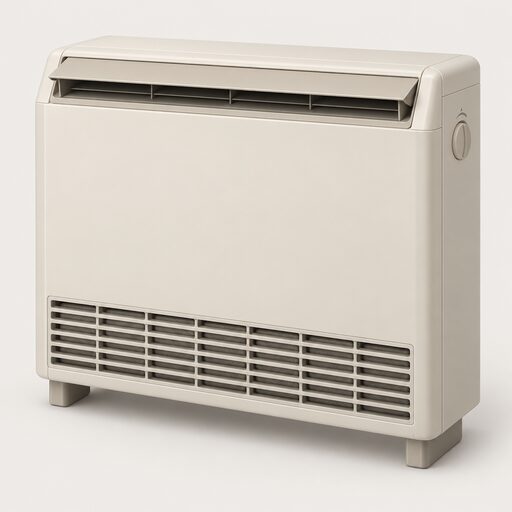 Electric Heating CostsHow to work out what electric radiators, panel heaters, infrared and storage heaters cost to run per hour and per season.
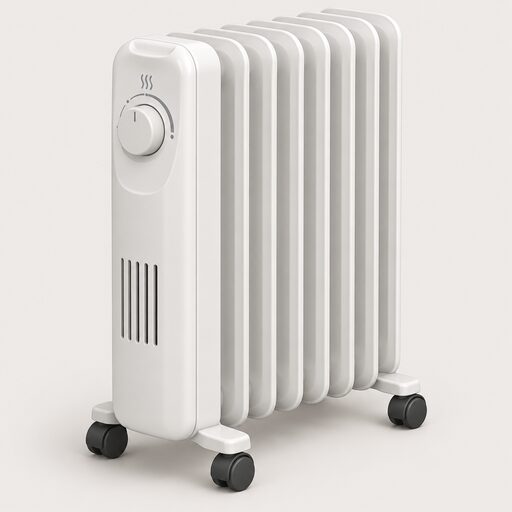 Electric Radiators and PanelsDo electric radiators cost more to run than gas heating, and are they worth it for one room or a whole house?
 Heat Pump Running CostsWhat does a heat pump cost to run each year, and is it cheaper than a gas boiler?
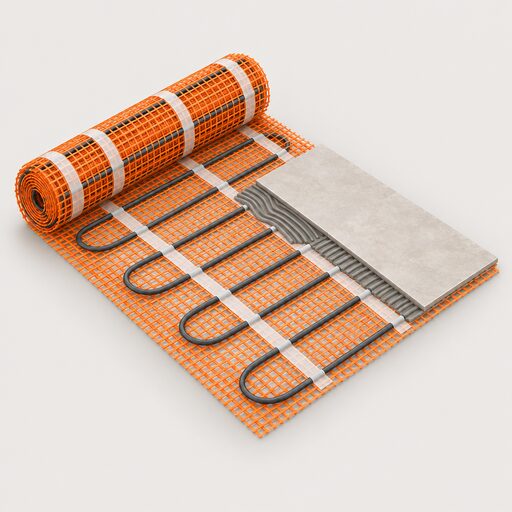 Underfloor Heating SystemsWhich rooms suit electric underfloor heating and which need a wet system?
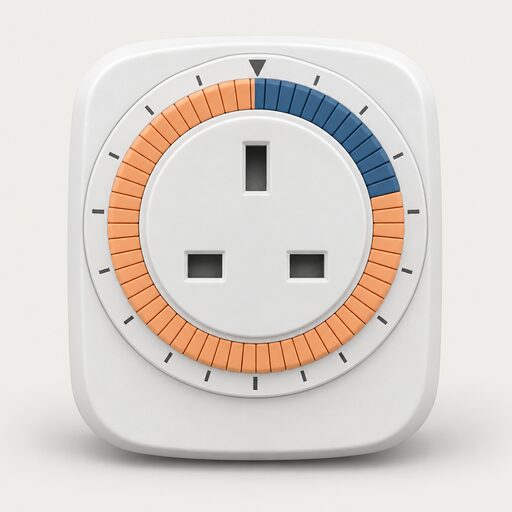 Heat Pump Electricity TariffsA heat pump tariff gives you cheaper electricity for part of the day, so running your heating costs less than on a standard rate.
 Which Homes Suit a Heat PumpMost UK homes can have a heat pump fitted, so the real question is whether yours makes it easy or expensive.