
In this answer
Short answer
When someone dies, the energy account does not close by itself. The supply continues to the property, the meter keeps recording, and the account stays in the deceased's name until the person dealing with the estate tells the supplier and settles the balance. The first practical step is to contact the supplier directly, by phone, email or through the online account, with the account number and a recent meter reading to hand1.
The account number and the name on the bill matter more than anything else in the process. The Energy Ombudsman will only take a dispute where the supplier name on the case matches the company name written on the account holder's bill, a rule applied to named suppliers including Connekt Energy, Capture Energy, Go Compare Energy Ltd and Carbon Sense Ltd2. That same name-matching condition runs through the housing cases the Ombudsman publishes, including River Clyde Homes, VIVID Housing Limited and Tulo Energy6.
What follows is the sequence: who has authority to deal with the account, what the supplier asks for, how the supply and its costs are handled while the estate is open, and how the account is finally closed with any credit returned to the estate.
What happens to an energy account when someone dies
The account itself does not disappear. It remains open in the deceased's name, accruing charges for whatever the property uses, until the estate or the new occupier brings it to a close. Nothing in the supplier's systems automatically recognises a death, so the account continues to be billed on its existing tariff and payment arrangement until someone acts.
That has two consequences. The first is that energy used after the death is still chargeable, and it becomes a liability of the estate rather than of the person who died. The second is that any credit sitting on the account stays there until a claim is made. Before claiming, there should be a recent meter reading on the account, and the account balance should be checked1. A final reading taken at the point of notification prevents later argument about how much of the balance belongs to the estate.
Where the property is empty, consumption usually falls to standing charges and whatever is needed to keep the fabric of the building safe, but the account still runs. Where someone continues living there, the meter keeps turning and the bills keep arriving.
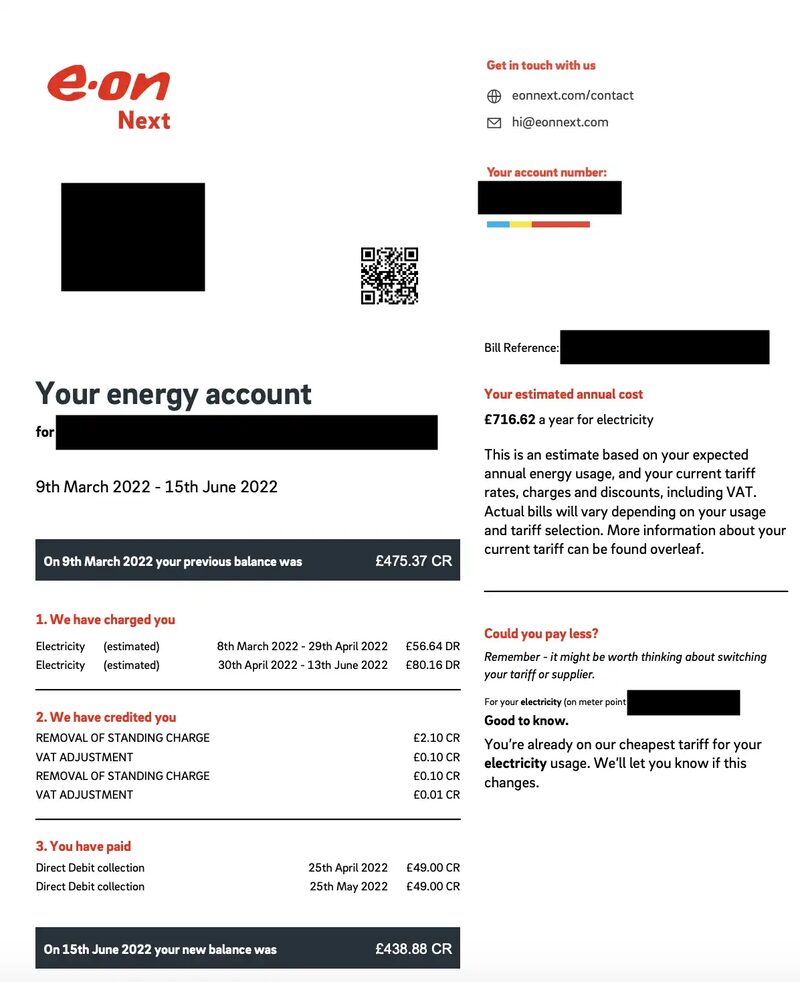
The account's paperwork also matters. Every domestic bill must carry the customer's name and address, the supplier's name and address, the account or reference number, meter serial numbers, meter readings, usage over the last billing period, the current bill with a breakdown of charges, tariff details including unit price and standing charge, contract details with end date and exit fees, the tariff comparison rate, and a reminder of the right to switch12. Those details are what the person dealing with the estate needs in order to check the final bill later.
For a household's energy independence, this is a moment of pure dependence: the supply, the tariff and the account all sit with a supplier the deceased chose, and the estate has no standing to renegotiate until authority passes. The practical lever is information, not choice.
Who can deal with the account: executor, next of kin or joint account holder
Authority to deal with the account follows the estate, not the family relationship. An executor or administrator acting under a grant has the clearest standing. A next of kin without that authority can notify the supplier and provide readings, but may be asked for evidence before the supplier will discuss balances or release funds.
A joint account holder is in a different position again, because the account was already theirs as much as the deceased's. The supply continues in their name and the practical task is to remove the deceased's name and, where relevant, the payment mandate.
The Energy Ombudsman's published eligibility rules show how strictly suppliers and the scheme treat naming. A dispute is only accepted where the supplier name matches the company name written on the account holder's bill, a condition stated for Connekt Energy, Capture Energy, Go Compare Energy Ltd and Carbon Sense Ltd2. The same wording appears in the housing cases for River Clyde Homes, VIVID Housing Limited and Tulo Energy6. The lesson for an estate is that the name on the bill is the anchor for everything that follows, including any complaint.
Where the deceased held a Feed-in Tariff generator account, the deceased account holder's spouse can take over the account and continue receiving payments by submitting meter readings, relevant evidence and the FIT company's transfer of ownership form completed in full13. That is a specific route for a specific scheme, and it shows that some accounts transfer by named relationship rather than by probate.
"Yes, you would need to submit meter readings and provide the relevant evidence to the FIT company. Each FIT company has "
Notifying the supplier and what documents they ask for
Notification can be made by phone, email or through the online account, and the supplier will want the account number and any case reference number if one exists14. Where a complaint is already running, the Energy Ombudsman advises giving the supplier's name, the name of the account holder, the account number and the date the complaint was first raised15.
Suppliers operate under a general consumer law duty to give pre-contact information as set out in the Consumer Contracts (Information, Cancellation and Additional Charges) Regulations 201316. In practice, that means the supplier should be clear about what it is asking for and why.
A short checklist of what to have ready:
- The account number and the name exactly as it appears on the bill.
- A recent meter reading, taken at or near the date of notification.
- The date of death and the address of the property.
- Any case reference number from an existing complaint14.
- Evidence of your authority to act, where the supplier asks for it.
Where a dispute later reaches the Energy Ombudsman, the eligibility checklist requires that the supplier was complained to first, that eight weeks have passed or a Deadlock Letter has been received, that there is sufficient evidence including the complaint date, and that the supplier name matches the bill17. That checklist is worth knowing at the point of first contact, because the evidence gathered then is the evidence used later.

Keeping the supply on and paying for energy during the estate period
The supply is not cut off because the account holder has died. It continues, and so does the cost. Energy used between the death and the settlement of the estate is met from the estate's funds, and the account continues on its existing tariff until it is closed or transferred.
Payment arrangements need attention. A Direct Debit that continues to be collected can be returned unpaid if there are not enough funds, and the bank may charge for the additional administration18. The mandate should be dealt with through the deceased's bank rather than left running.
Where affordability is a problem, suppliers can review current payments and debt repayments19. Some suppliers provide grants for people in debt, and you do not always need to be a customer of the company to apply20. That is a route worth knowing about where the estate is thin and the account is in arrears.
The Energy Rebate Scheme is a reminder that not every charge falls on the estate: the cost of that rebate and most of its delivery costs were met by the energy suppliers under their 2008 Voluntary Agreement with Government21.
Off the gas grid, the picture differs. On a metered estate, each property has its own meter and is billed individually by the LPG supplier for the amount of gas consumed22. Community energy arrangements work differently again: an Energy Local Club works with an existing energy supplier who provides top-up power when the project is not generating enough to meet local needs, and that supplier also provides all billing services to customers23. In both cases the account still has to be notified and closed in the same way.
Closing the account, final bills and refunds to the estate
Closing the account produces a final bill, and the final bill is where the estate's money is either owed or owing. Where a switch has taken place, the old supplier should send a final bill within six weeks, confirming how much it owes1. Where the account is simply closed, the same principle applies: the balance is struck and any credit returned.
The rules on credit are clear. The old supplier will refund any credit in the final bill, and compensation may be available if it does not9. Refunds may also be due on accounts closed when moving home or switching during the past five years24. That is a wider window than most people assume, and it is worth checking whether the deceased had older closed accounts with credit sitting on them.
Final bill amounts are not fixed in advance. The final amount paid by consumers depends on individual energy usage, location and meter type25. For an estate, that means the final bill should be checked against the meter readings taken at notification, not accepted at face value.
Where the final bill is disputed, the Energy Ombudsman's case guidance expects a supplier to support its case with a copy of the final bill it issued along with evidence of the date the bill was issued to the consumer26. That is the standard the estate can hold the supplier to.
Moving into the property or taking over the supply yourself
Taking over the supply is a separate act from closing the estate's account, and it can happen earlier than probate. Switching can begin as soon as you become responsible for the property, which for a purchase is after exchange of contracts27. On moving in, whoever supplied energy to the previous owners automatically becomes your supplier28, and the tariff is likely to change29.
That automatic assignment is the point of maximum dependence: the new occupier inherits a supplier and a tariff they did not choose. The remedy is a switch, which is available once responsibility has passed.
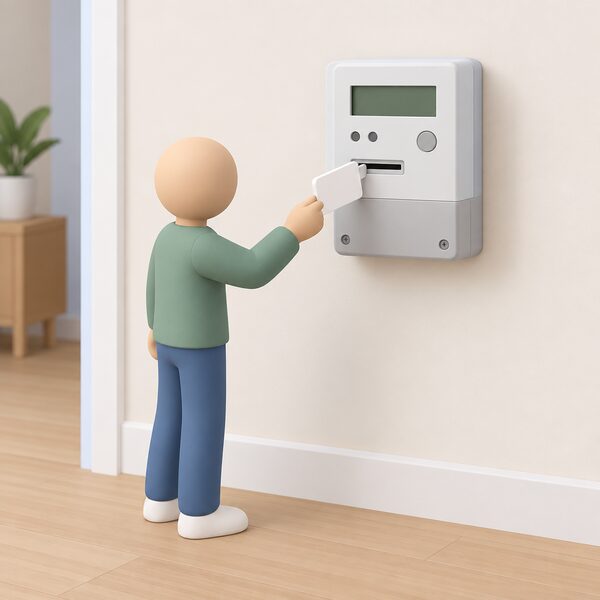
Where the property has a prepayment meter, contact the supplier at least three days before moving in and ask whether the meter needs to be reset or whether a new key or card is needed, and set up a new online account30. That avoids arriving to a meter that cannot be topped up.
Where the property was subject to a local authority loan, the security can outlast the occupier. Swansea Council's private sector housing policy registers its loan as a legal charge, repayable in full on sale or transfer of title, on moving into long term care or sheltered accommodation, or on the death of the loan recipient31. Anyone inheriting a property with that kind of charge needs to know it exists before assuming the energy account is the only loose end.
For the household's independence, the sequence is: the estate settles the past, and the new occupier starts the future with a supplier they can choose. Until the switch is made, the supply, the tariff and the billing all remain with a company chosen by someone else.
Sources31 cited
- Energy account credit and refunds, Confused.com, 2026-07-03
- Connekt Energy dispute eligibility, Energy Ombudsman, 2026-09-19
- Capture Energy dispute eligibility, Energy Ombudsman, 2026-09-19
- Go Compare Energy Ltd dispute eligibility, Energy Ombudsman, 2026-09-19
- Carbon Sense Ltd dispute eligibility, Energy Ombudsman, 2026-09-19
- River Clyde Homes dispute eligibility, Energy Ombudsman, 2026-09-19
- VIVID Housing Limited dispute eligibility, Energy Ombudsman, 2026-09-19
- Tulo Energy dispute eligibility, Energy Ombudsman, 2026-09-19
- Understanding your electricity and gas bills, Ofgem, 2026
- Understanding consumers' energy tariff choices, Ofgem, 2025-07
- Get help with your prepayment meter, Ofgem, 2026
- How to read your energy bill, Confused.com, 2025-12-15
- Feed-in Tariffs, Energy Ombudsman, 2026-09-20
- Complaints process easy read, Smart Energy GB, 2026-03-16
- Creating a case with the Energy Ombudsman, Energy Ombudsman, 2026-09-20
- Problems with services: consumer advice, Isle of Anglesey County Council, 2025-10
- Cynon Taf Community Housing dispute eligibility, Energy Ombudsman, 2026-09-19
- Direct Debit guide, Uswitch, 2025-10-22
- Get help with your energy bills, Ofgem, 2026-09-17
- Government payments and discounts for heating bills, Scope, 2026-09-01
- Energy Rebate Scheme, UK Parliament, 2026-09-20
- Metered estates: supply options, Liquid Gas UK, 2026-09-20
- Community energy delivers affordable power, Energy Saving Trust, 2025-09-22
- Understanding energy bills, StepChange, 2026-09-20
- Energy bills to drop to two-year low with new energy price cap, IGEM, 2024-04
- New guaranteed standards, Energy Ombudsman, 2026-09-20
- A step-by-step guide to setting up gas and electricity in a new home, Energy Helpline, 2026-09-20
- Moving house energy checklist, Energy Saving Trust, 2026-05-01
- Who supplies my electricity and gas?, Uswitch, 2026-06-29
- Prepayment meters, Centre for Sustainable Energy, 2025-08
- Private sector housing renewal and adaptations, Swansea Council, 2026-09-20
 Moving Home Energy AccountsMoving home means you get a new energy supplier whether you choose one or not, so who supplies your new place and what happens to your old account?
 Erroneous TransfersSomeone else has switched your gas or electricity without asking you.
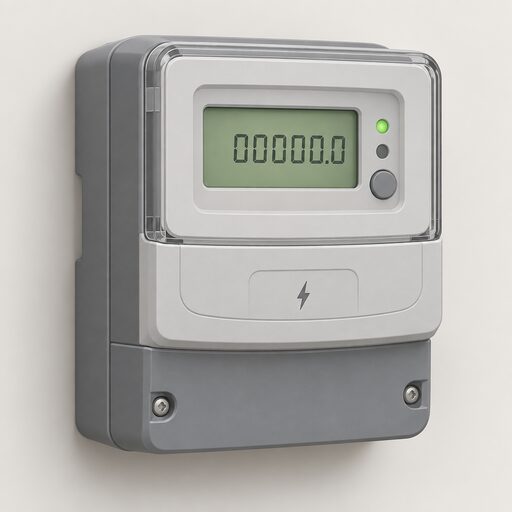 Take Control of Your EnergyHow do you read your own energy use and keep hold of your meter readings?
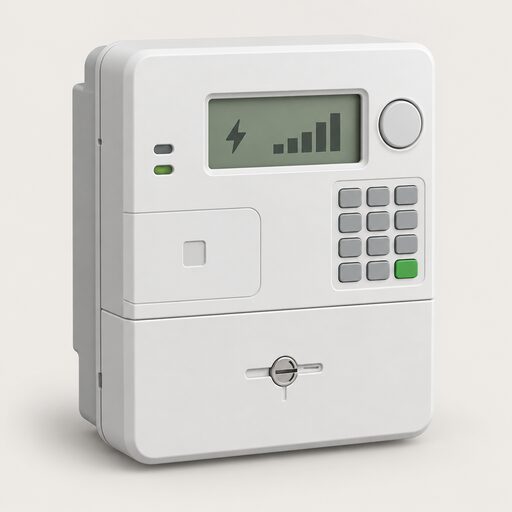 Who Owns Your Home Energy DataYour smart meter records how much gas and electricity you use, and that information belongs to you, not your supplier.
 Closed Energy PoliciesIf a scheme you used has closed, do you still get paid?
 Prepayment Meter DebtHow debt repayment is set on a prepayment meter, the limits on the share of a top-up that can be taken, and how to have a rate reviewed.