
In this guide
The Viessmann Vitovalor was a domestic fuel cell heating appliance that generated heat and power at the same time, and it is no longer sold in the UK. Buyers still search for it because it promised something a gas boiler cannot: a home that makes its own electricity while it heats. Viessmann's own control documentation now lists the Vitovalor PT2 only as a supported appliance for existing installations, alongside the Vitodens gas boiler families, rather than as a product on sale1.
The withdrawal matters more than the specification. A household that buys a discontinued appliance inherits a service relationship with one manufacturer, a parts supply that depends on that manufacturer, and no route to a like-for-like replacement if the unit fails. The Vitovalor 300PT2 does appear in Ofgem's ECO4 Innovation Approved Innovation Measures list, where delivery is limited to on-gas households, so the units that were installed sit on the gas grid rather than off it2.
This page sets out what the Vitovalor was, how the technology worked, what it cost to service and repair, which homes it suited, and what the alternatives are for a household that wants combined heat and power today. It is a record of a withdrawn product, not a buying guide.
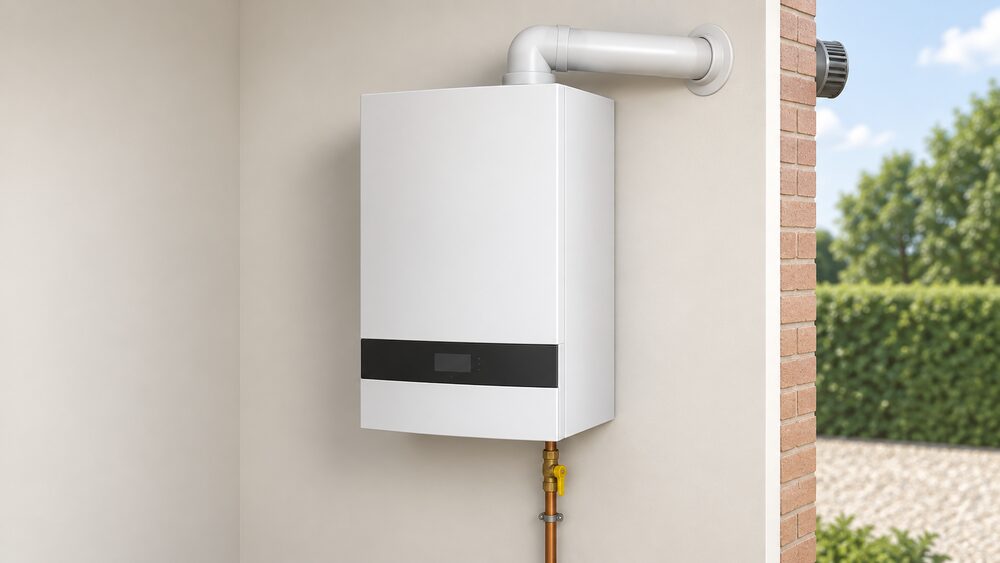
A fuel cell boiler, not a condensing boiler
A condensing boiler burns gas to make heat and throws away the electricity-generating potential of that gas. The Vitovalor did both jobs in one unit: Viessmann's own description is that it could "generate heat and power at the same time"4. That is the defining difference between a fuel cell appliance and the Vitodens range that makes up the bulk of Viessmann's UK residential sales.
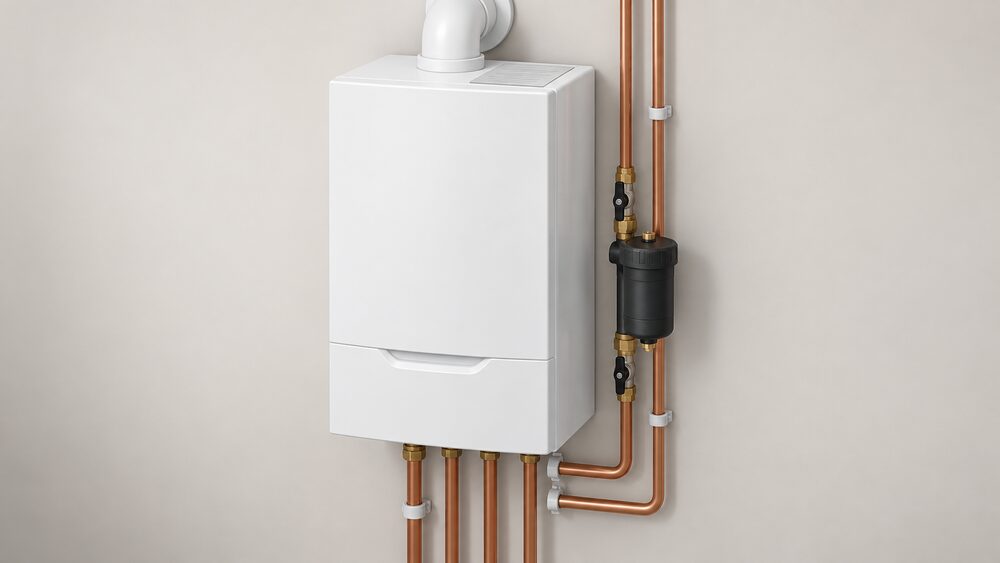
Viessmann's UK residential boiler range is built on gas condensing technology, offered as combination boilers, open vent boilers and storage boilers7. The company states plainly that all its gas and oil boilers are condensing boilers10. The Vitodens range is the gas condensing line, and the Vitoplex range sits alongside it11. The Vitovalor was a separate product group, not a variant of any of these.
The practical consequence for a household is about what the appliance draws from outside. A condensing boiler takes gas from the grid and electricity from the mains for ignition, controls and pumping. A fuel cell unit takes gas and produces some of its own electricity on site, which reduces the amount drawn from the grid but does not remove the gas connection. The Vitovalor's eligibility was limited to on-gas households, so the gas grid remained the fuel source throughout2.
Why the Vitovalor was withdrawn from the UK market
The Vitovalor is not presented as a current product anywhere in Viessmann's UK residential range. The company's product group pages cover gas condensing boilers, heat pumps, solar thermal, electric heating and controls, and the Vitovalor does not appear among the current lines12. Its only remaining presence is in compatibility documentation: the Vitotrol 300-E control lists the Vitovalor PT2 among the appliances it supports, in the same list as the Vitodens 300-W, 333-F, 343-F, 200-W, 222-W, 222-F and 242-F1.
That pattern is typical of a discontinued appliance. The control system continues to support installed units because owners still need to operate them, but the product itself is no longer offered. A household searching for a new Vitovalor will not find one through Viessmann's UK residential channels.
The wider context is that domestic fuel cell heating never reached the volume that would sustain a UK product line. The units were eligible only for on-gas households under the ECO4 Innovation route, which limits the addressable market to homes already connected to gas2. Viessmann's UK business has operated in the country since 1989 and has since concentrated its residential effort on gas condensing boilers, heat pumps and electric heating8.
How the technology worked: heat and power from one unit
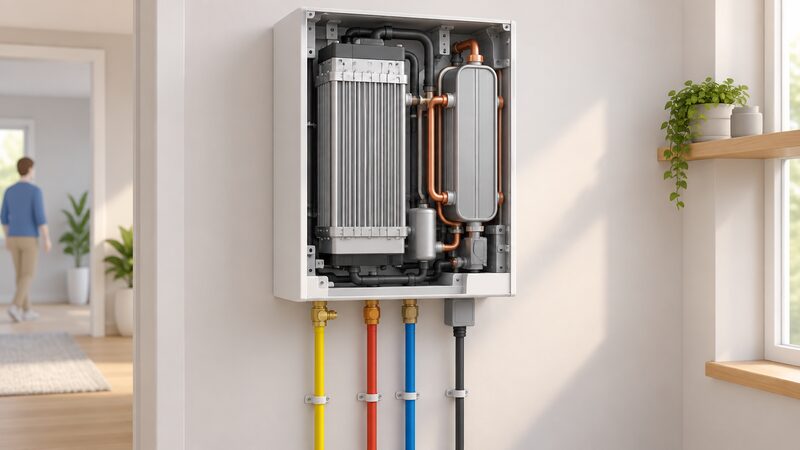
A fuel cell generates electricity through a chemical reaction rather than combustion, and the heat that reaction releases is captured for space heating and hot water. Viessmann's description of the Vitovalor is exactly that: it generated heat and power at the same time4. The electricity produced offset some of the home's import from the grid, and the heat went into the heating system.
The controls side of the installation is well documented because it is shared with the rest of the Viessmann range. The Vitotrol 300-E is a control unit that supports the Vitovalor PT2 alongside the Vitodens boiler families1. Remote monitoring and app control run through the Vitoconnect internet gateway, which Viessmann states can connect all its heat generators with a Vitotronic control unit including the Optolink interface13. The ViCare app components work with a Viessmann heat generator up to 60kW with Connectivity Inside, or with the Vitoconnect interface14.
That architecture is worth understanding because it defines the dependence a Vitovalor owner carries. The unit needs gas from the grid, electricity for its own controls and pumps, and, for remote features, a broadband connection and Viessmann's servers. The fuel cell reduces grid electricity import but does not remove the gas connection or the manufacturer relationship.
What it cost to buy, install and run
No published UK installed price for the Vitovalor appears in the available figures, so any figure quoted for a new installation would be installer-quoted rather than a list price. What Viessmann does publish is the cost of keeping a boiler running, which is the closest guide to the ongoing cost of ownership for a discontinued appliance.
Viessmann's product service covers Service Only, In Warranty Repair and Fixed Price Repair5. An annual service is £162 for the Vitodens 025-W, 050-W, 100-W and 111-W, and £186 for the Vitodens 200-W and 222-W up to 35kW5. A fixed price repair is £372 for the smaller models and £426 for the Vitodens 200-W or 222-F up to 35kW, while a fixed price repair plus service is £450 and £498 respectively5. These are Viessmann's own published prices for its boiler range, not for the Vitovalor, and they show the shape of the ongoing cost rather than the fuel cell's own tariff.
Running cost depends on the gas price and on how much electricity the unit generates, and no figure for the Vitovalor's electrical output appears in the available facts. The claim Viessmann made for the technology was independence from rising electricity prices, which is a statement of intent rather than a measured saving4.
| Viessmann service and repair | Applies to | Price |
|---|---|---|
| Annual service | Vitodens 025-W/050-W/100-W/111-W | £1625 |
| Annual service | Vitodens 200-W, 222-W up to 35kW | £1865 |
| Fixed price repair | Vitodens 025-W/050-W/100-W/111-W | £3725 |
| Fixed price repair | Vitodens 200-W/222-F up to 35kW | £4265 |
| Fixed price repair plus service | Vitodens 025-W/050-W/100-W/111-W | £4505 |
| Fixed price repair plus service | Vitodens 200-W/222-F up to 35kW | £4985 |
Where it fit: the homes it suited and the homes it didn't
The Vitovalor's eligibility was limited to on-gas households, which is the single most important constraint on where it could go2. A home off the gas grid could not use it, because the fuel cell ran on mains gas. That rules out the rural off-grid properties that often look hardest to heat, and it rules out any household hoping for independence from the gas network.
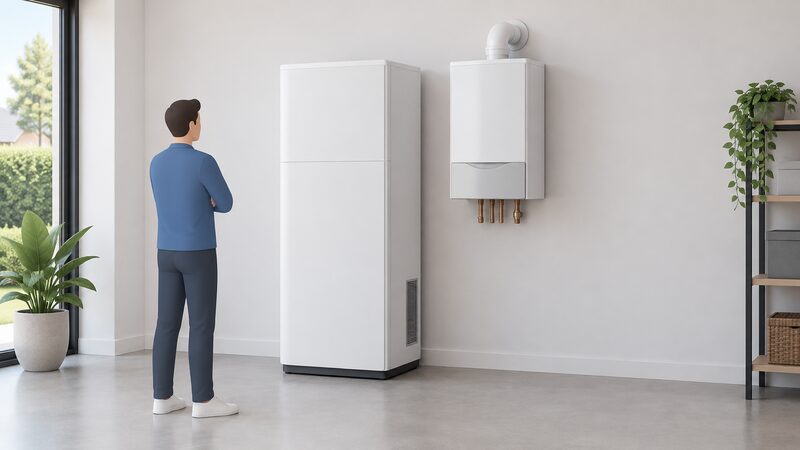
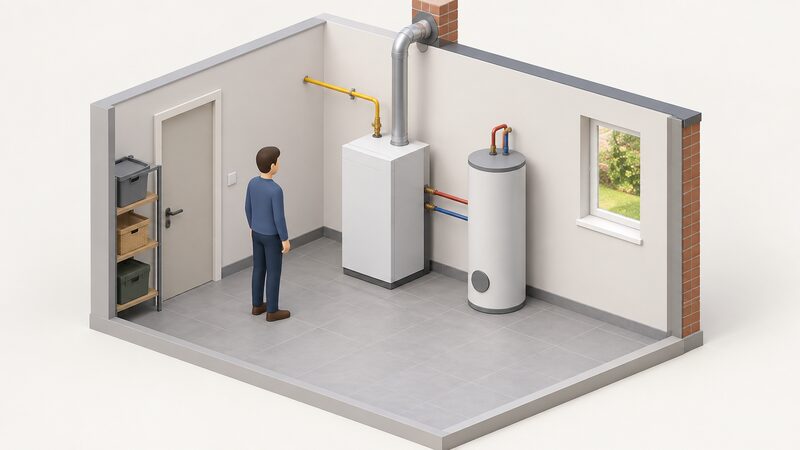
Within the on-gas market, the unit suited homes with a steady baseload demand for both heat and electricity. A fuel cell runs most efficiently when it is running steadily, so a household with high and continuous demand gets more from it than one with occasional use. Homes with limited plant space were a poor fit, since a fuel cell unit is a substantial appliance in addition to the heating system.
The wider pattern in emerging home technology is that siting and building constraints decide more than the specification does. External wall insulation, for example, was found not suitable in a conservation area in one documented case15. Wind turbines work best in exposed, windy locations and are less suitable for built-up or sheltered areas16. A fuel cell unit faces the same kind of practical test: gas connection, flue route, plant space and noise siting all have to work before the technology matters.
What owners of an installed Vitovalor should know now

An installed Vitovalor is a supported appliance for controls purposes, and Viessmann offers out of warranty repairs on its boilers6. The service options are Service Only, In Warranty Repair and Fixed Price Repair, and a service includes a full inspection of boiler components with the appliance casing removed, replacement of damaged or worn parts as required, and cleaning of components as necessary5.
The warranty conditions are the part owners need to watch. Regular servicing is required under the terms of a boiler guarantee or extended warranty, and protection may no longer be valid without those checks5. Servicing must be carried out within one year of the installation date and each following year, by a competent installer or servicing company, meaning a Gas Safe registered one6. The customer or installer must also provide safe working access to the product, including ladders, scaffolding and harnesses where needed6.
"The product must be serviced either by a competent installer or servicing company (i.e. Gas Safe registered) within one year (and each following year) of the installation date"
Registration runs through the installer via a VPlus account or the Viessmann website, or by the homeowner through the warranty registration page6. For remote monitoring, the Vitoconnect gateway can be used with an older Viessmann boiler, a third-party device, or even without a boiler in the home, and a newer heat generator with integrated WLAN does not need Vitoconnect to use ViCare components17. That means the monitoring side of an installed system can outlive the appliance itself.
Viessmann's hydrogen plans after the Vitovalor
Viessmann has worked on hydrogen combustion rather than hydrogen fuel cells as the successor route. The company published details of its 100% H2-ready boiler programme in April 2022, and in the same month stated that no boilers available on the market could run with 100% hydrogen, while its prototypes were being tested in Germany18. That is a prototype programme, not a product a household can buy.
The distinction matters for anyone reading hydrogen claims. A hydrogen-ready boiler burns a blend of hydrogen and natural gas in a modified combustion system. A fuel cell makes electricity chemically. The Vitovalor was the second kind of product, and Viessmann's hydrogen work since has been on the first. The two are not interchangeable, and neither removes the gas connection in the near term.
Viessmann's current UK residential range reflects where the company has put its effort: gas condensing boilers in combination, open vent and storage types, heat pumps, solar thermal and electric heating7. The Vitocal 200-A ie heat pump is made in the EU and was stated as available in autumn 2026, operating quietly at 54 or 56 dB(A) in noise-reduced operation8. The Vitotron 100 electric boiler uses a high efficiency pump9. None of these is a fuel cell.
Alternatives for households seeking combined heat and power
There is no direct replacement for the Vitovalor in Viessmann's UK range. A household that wanted on-site electricity generation alongside heating has to look at separate technologies rather than a single combined unit.
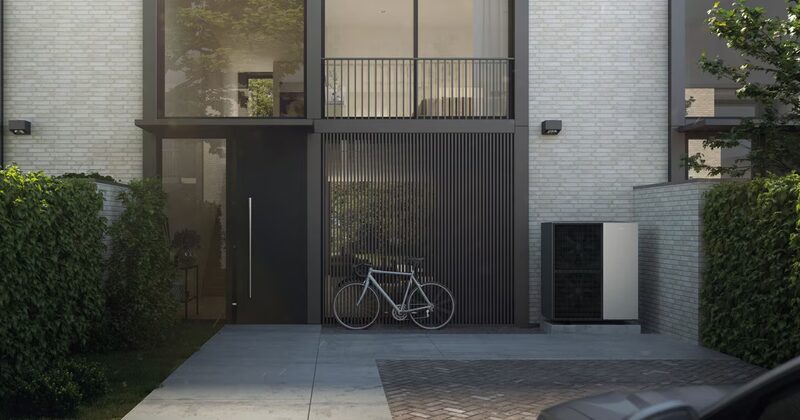
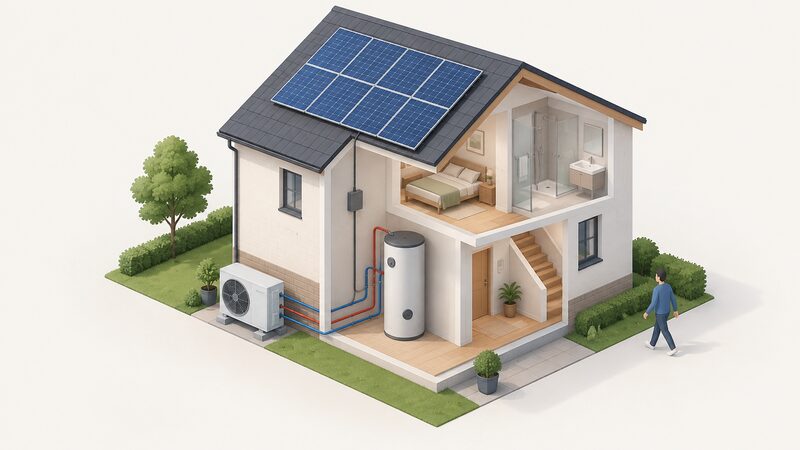
The most common route is a heat pump paired with solar. Viessmann's Vitocal heat pumps can be combined with a solar thermal system in dual mode, or with a gas boiler in multi mode4. Viessmann water heaters can be combined with various heating systems as well as solar thermal systems12. That gives a household a heating source plus a separate renewable input, rather than one appliance doing both jobs.
For hot water and heating alone, the mainstream options are well established. Combi boilers give heat and hot water on demand, which the Energy Saving Trust describes as a more efficient choice for smaller households19. Combination boilers can provide hot water on demand as well as heating, which is the standard arrangement for homes without a cylinder20. Consumers looking to move away from gas have been installing alternative heat sources, a shift noted in consumer advocacy responses to Ofgem consultations21.
The independence question is the same one the Vitovalor raised. A gas boiler, a heat pump on a standard tariff and a solar array all leave the household connected to a supplier and, in most cases, to the grid. What changes is how much of the energy is generated on site and how much is bought in. A fuel cell promised a share of both; the alternatives deliver the same idea through two or three separate products instead of one.
Sources21 cited
- Vitotrol 300-E control unit, Viessmann, 2025-11-13
- ECO4 Innovation Approved Innovation Measures v1.17, Ofgem, 2026-01
- ECO4 Innovation Approved Innovation Measures v1.5, Ofgem, 2023-10
- New building solutions, Viessmann, 2022-08-05
- Product service and repair, Viessmann, 2026-09-04
- Viessmann warranty, Viessmann, 2025-10-31
- Gas condensing boilers, Viessmann, 2024-07-11
- Vitocal 200-A ie press release, Viessmann, 2026-06-22
- Vitotron 100 electric boiler, Viessmann, 2024-05-06
- Boiler replacement and installation FAQ, Viessmann, 2022-11-30
- Serial number locator, Viessmann, 2024-07-31
- Product groups, Viessmann, 2022-09-20
- Vitoconnect, Viessmann, 2025-11-13
- Vitosol 300-TM solar thermal, Viessmann, 2025-11-05
- Government safety alert: recall of oil boiler, Co-Gas Safety, 2026-03-14
- Wind turbines, Energy Saving Trust, 2026-05-20
- ViCare app components, Viessmann, 2026-08-11
- Viessmann enhances installer support, CIPHE, 2025-07-15
- Boilers, Energy Saving Trust, 2026-05-20
- Your home guide to liquid fuel heating, OFTEC, 2026-09-20
- Response to Ofgem's consultation on gas disconnections framework, Citizens Advice, 2025-03-21
 Viessmann boilers and the Vitodens familyViessmann boilers are German made and sold in the UK as combi, open vent and storage models, mostly in the Vitodens range.
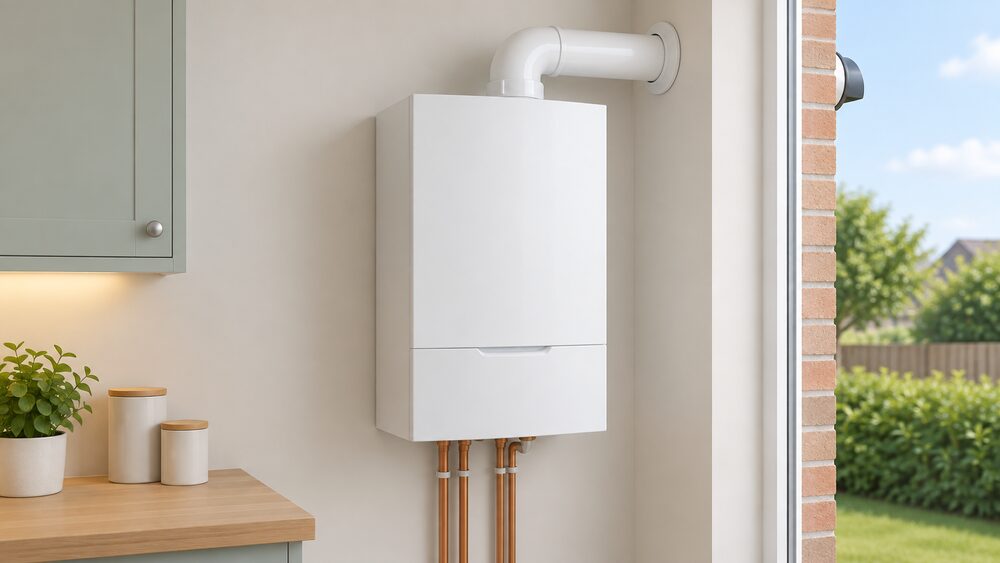 Viessmann Vitodens 100-WHow long does the Viessmann Vitodens 100-W warranty last, and what do you need to do to get the longer cover?
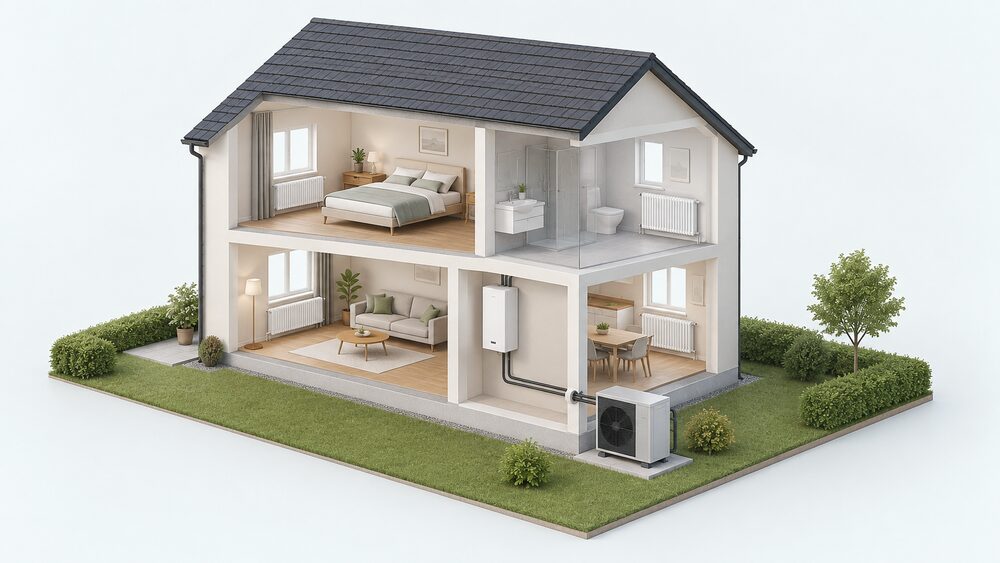 Viessmann Vitocal heat pumpsThinking about a Viessmann Vitocal heat pump for your home?
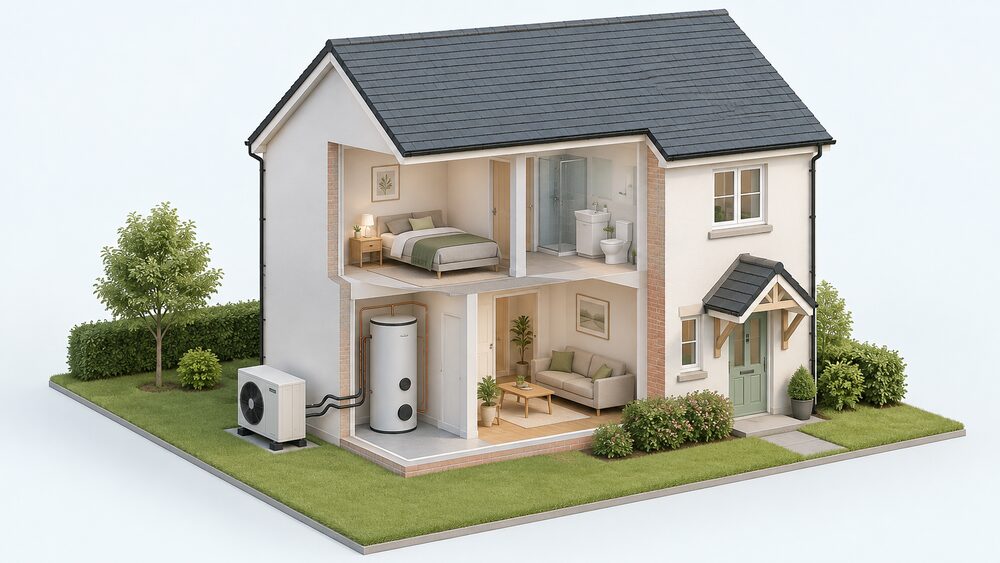 Viessmann Vitocal heat pump rangeThe Viessmann Vitocal range in the UK: current models, flow temperatures, warranty terms, servicing and what the brand's heat pump heritage means for a household.
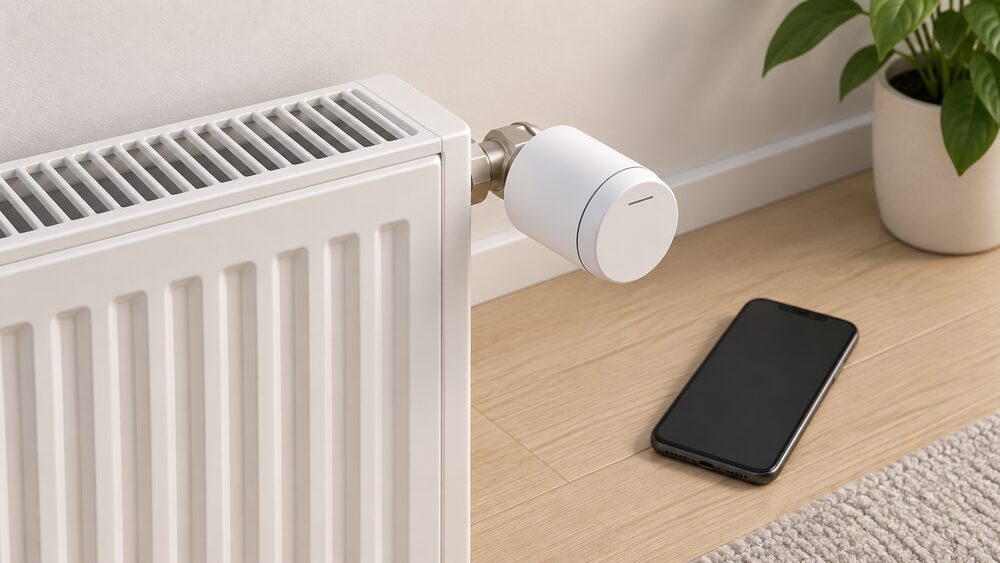 Viessmann Heating Controls and the ViCare AppHow Viessmann's ViCare app, Vitoconnect gateway and room controls work in UK homes, what they control, what they depend on, and what they cost to run.
 Viessmann boilers and heat pumps in the UKAre Viessmann boilers any good, and how long do they last?
 Viessmann VitovalorThinking about a Viessmann Vitovalor usually comes down to a few things.