
In this comparison
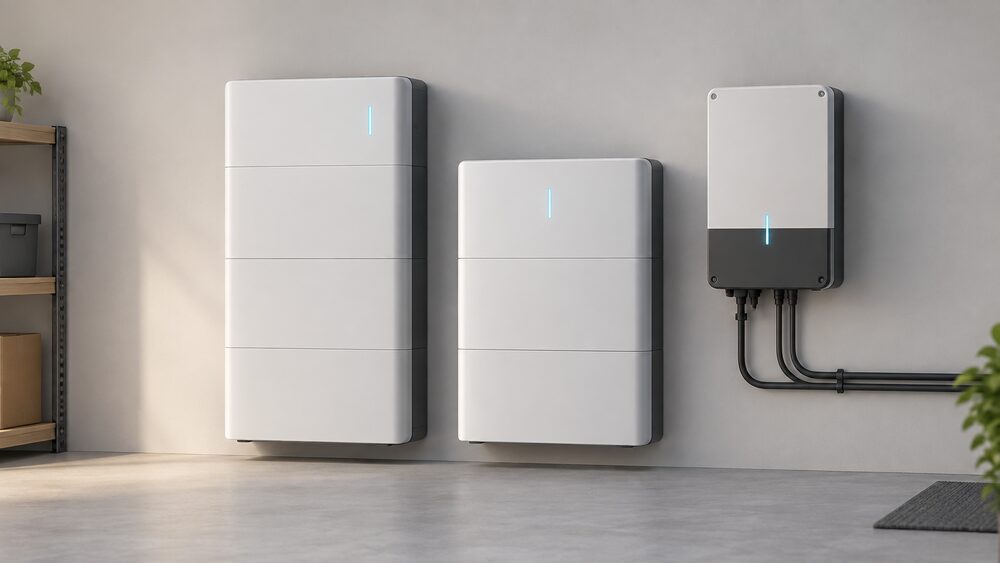
Sodium-ion is the first new battery chemistry in a generation to reach UK homes, and it arrives with a clear pitch: no lithium, no cobalt, no nickel, wider operating temperatures and a maker claim of no fire risk. Eleven Energy, a UK company, launched a residential sodium-ion storage solution in June 2026 and sells inverters and sodium-ion batteries with a companion app through Midsummer Energy, its UK distributor and strategic partner1.
Lithium-ion remains what is actually on sale and installed at scale. It is the most common battery type for electric vehicles, the main type for domestic storage, and the chemistry behind the household devices that fire services warn about3. Lithium-ion battery technology became 90% cheaper between 2010 and 2024, according to International Energy Agency data cited by Solar Energy UK, which is why it dominates6.
The practical comparison for a household is therefore not like for like. Sodium-ion offers chemistry advantages and a UK route to market, but limited availability, no published UK price and no independent field data on domestic cycle life. Lithium-ion offers proven performance, a wide installer base and a known cost range of £2,000 to £12,500 for solar battery storage depending on capacity, chemistry and lifespan7.
What a sodium-ion battery is, and how it differs chemically
A sodium-ion battery stores energy using sodium compounds rather than lithium. Eleven Energy describes the technology as using widely available sodium compounds to store energy safely and efficiently, and states that its sodium batteries are made from abundant, non-toxic materials1. The contrast with lithium-ion is at the level of the electrolyte and the charge carrier. Lithium-ion batteries have a liquid or gel-like electrolyte, and a lithium-ion battery with lithium iron phosphate chemistry consists primarily of lithium, iron and phosphate11.
The legal definition of a lithium-ion battery in UK legislation turns on the same chemistry: a secondary (rechargeable) battery with an organic solvent electrolyte and positive and negative electrodes which use an intercalation compound in which lithium is stored13. Sodium-ion substitutes sodium for lithium in that structure, which is why makers present it as a route around constrained minerals.
That matters for supply chain as much as for performance. Eleven Energy states that sodium-ion reduces dependence on constrained minerals such as lithium, cobalt, nickel and copper, helping to create a cleaner, more secure supply chain1. Lithium-ion, by contrast, has been commercialised since Sony and Asahi Kasei brought it to market in 1991, and its cost has fallen by 90% over the last ten years according to independent analysis14.
For a household, the chemistry difference translates into three practical questions: whether the battery is safe indoors, whether it works in the cold, and whether it is available and priced for a UK installation. The rest of this page takes each in turn.
Sodium-ion vs lithium-ion: the key differences at a glance
| Sodium-ion | Lithium-ion | |
|---|---|---|
| Charge carrier | Sodium compounds, widely available1 | Lithium, stored in an intercalation compound13 |
| Electrolyte | Not specified in the material available | Liquid or gel-like11 |
| Minerals avoided | Lithium, cobalt, nickel and copper, per the maker1 | Lithium is the core material13 |
| Operating range | Minus 20°C to 55°C; discharge to minus 30°C, charge to minus 20°C1 | Not stated as a single range; cold reduces performance16 |
| Fire risk | Maker states no risk of fire, installable inside the home2 | Official guidance treats lithium-ion devices as a serious fire risk5 |
| Cycle life | Not independently verified for domestic units | 5,000 to 10,000 cycles, often 10 to 15 years9 |
| UK availability | Eleven Energy, launched June 2026, limited as production ramps up2 | Widely available; the main type for domestic use4 |
| Price | Installer-quoted; no published UK figure | £2,000 to £12,500 for solar storage generally7 |
The table shows where the two chemistries genuinely diverge and where the comparison is uneven. Sodium-ion's advantages are chemical and thermal. Lithium-ion's advantages are maturity, price transparency and installer familiarity. Independent guidance describes lithium-ion as regarded as the most cost-effective option and notes that it can be more efficient than lead-acid, weigh two thirds less, discharge more stored energy and have a longer life4. A maker guide calls lithium-ion the best option for a solar energy system today: affordable, widely available and proven11.
Safety and fire risk: why sodium-ion is often described as the safer chemistry
The safety case for sodium-ion rests on a maker claim. Eleven Energy states that with a sodium battery there is no risk of fire, meaning it could be installed safely inside the home, and lists improved fire safety compared with lithium-ion2. That is the company's own position on its own product, not an independent test result, and it should be read as such.
The lithium-ion safety picture is documented by official and independent bodies. North Wales Fire and Rescue Service states that each of the rechargeable items in a typical UK home has the potential to cause a serious fire, and that the larger the battery, the larger the danger, with some of the largest lithium batteries found in mobility vehicles5. The service advises charging a device in a room with a working smoke alarm that does not compromise an escape route, keeping the door closed while charging and away from any heat source, and always buying devices and replacement batteries from a reputable seller5.
"Non-compliant or incompatible battery components and the use of batteries outside of their safe design parameters can lead to thermal runaway, causing fires"
Electrical Safety First's Battery Breakdown report examines the cause of lithium-ion battery fires and gives recommendations for how safety can be improved. It notes that even if a fire is extinguished, it is common for the fire to start again, highlighting the dynamic nature of lithium-ion incidents18. Northern Powergrid warns that high temperatures can cause batteries, especially lithium-ion, to overheat and potentially catch fire19. Lithium-ion batteries also require protection from impact and water ingress, and covering them while charging should be avoided20.
Cold weather performance: where sodium-ion holds an advantage
Cold is where sodium-ion's case is strongest on the published figures. Eleven Energy quotes an operating range of minus 20°C to 55°C for its sodium-ion battery systems, describing them as reliable in cold and hot weather1. Its support material goes further: Eleven sodium batteries are designed to operate in cold conditions, with discharge capability down to minus 30°C and charging capability down to minus 20°C8. The company states that sodium-ion batteries offer excellent thermal stability and operate across a wide temperature range8.
The distributor's listing states plainly that sodium-ion batteries have better cold temperature performance than lithium-ion2. A related maker product page describes a sodium battery as avoiding lithium and having a much wider operating temperature than lithium-ion batteries2.
Why this matters in a UK context is straightforward. Solar generation is not confined to summer, and independent guidance recommends a solar battery so that energy can be stored for when it is needed most rather than exported16. A battery in an unheated garage or outbuilding faces winter temperatures that reduce usable capacity in many lithium-ion systems. Sodium-ion's quoted range covers those conditions without heating.
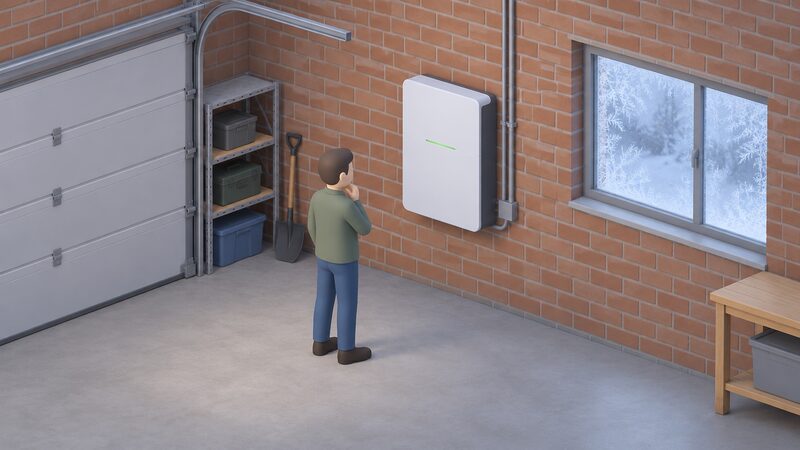
The caveat is that these are maker figures for one product line. No independent UK cold-chamber test of a domestic sodium-ion battery appears in the material available, so the advantage is asserted rather than measured. For a household weighing an unheated installation, the honest position is that the maker's range is wide and the independent verification is absent.
Energy density and size: the trade-off sodium-ion makes
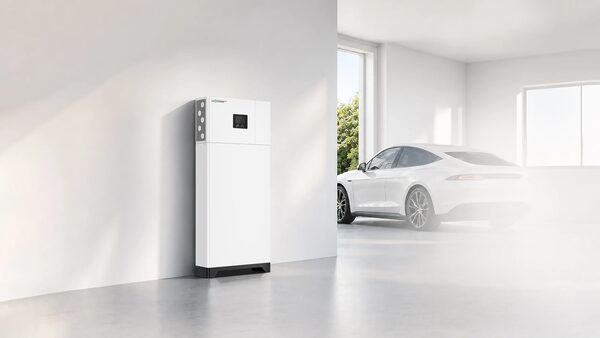
Energy density is the trade-off sodium-ion accepts. Lithium-ion solar batteries offer high energy density and excellent efficiency, and lithium-ion is the most popular chemistry for residential use3. Independent guidance notes that lithium-ion batteries can have roughly double the energy density of water storage, so could be effective in space-constrained homes22. A maker guide describes solid-state batteries as having much higher energy density than lithium-ion, which places sodium-ion below both in the density hierarchy11.
The consequence for a household is physical size. A lower energy density means more volume and often more weight for the same usable capacity, which matters where a battery is going into a cupboard, a utility room or a narrow garage. It also affects how many units are needed to reach a given storage capacity, and a maker guide on sizing notes that the number of batteries a home needs depends on its consumption and the capacity of each unit9.
There is a second dimension to the trade-off that is rarely discussed: embodied carbon. Independent guidance states that a lithium-ion battery carries a carbon footprint of around 100kg of carbon dioxide per kilowatt-hour of capacity when manufactured in factories that use fossil fuels, and that the battery needs to be charged from zero carbon energy and then discharged to replace gas use about 200 times for the carbon payback23. That is less than one year of use23. Sodium-ion's avoidance of lithium, cobalt, nickel and copper is presented by its maker as a supply chain and sustainability benefit, but no comparable embodied carbon figure for a sodium-ion home battery appears in the material available1.
For a household, the density question resolves into space and weight rather than performance. Where a lithium-ion unit fits a cupboard, a sodium-ion unit of the same capacity may not.
Cost and supply chain: why sodium-ion could be cheaper over time
No published UK price for a sodium-ion home battery appears in the material available, so any figure a household receives will be installer-quoted. What can be said is where sodium-ion sits in the maker's own positioning: Eleven Energy describes competitive pricing compared with mainstream lithium-ion battery brands1.
The wider cost context is well documented. Independent guidance puts solar battery storage at £2,000 to £12,500 typically, depending on capacity, chemistry and lifespan7. Home battery storage ranges from £1,500 to £10,000 depending on the type and size of battery10. Older figures show how far the market has moved: a 2020 report described SonnenBatteries as among the pricier home energy storage batteries, starting from £6,499, and a 2019 article put solar batteries at typically upwards of £2,00024. Independent guidance from 2022 put lithium-ion storage at often around £1,000 per kWh, and perhaps £700 per kWh for larger capacity batteries23.
The direction of travel for lithium-ion is steeply downward. Solar Energy UK, citing International Energy Agency data, states that between 2010 and 2024 the dominant lithium-ion battery technology became 90% cheaper, offering longer service lifetimes6. Independent analysis from 2021 recorded that the cost of lithium-ion batteries had fallen by 90% over the last ten years15.
Sodium-ion's cost argument is about materials rather than manufacturing scale. Eleven Energy states that by reducing dependence on constrained minerals such as lithium, cobalt, nickel and copper, sodium-ion helps create a cleaner, more secure supply chain1. Whether that translates into a lower installed price in the UK is not yet demonstrated by any published figure. For comparison, lead-acid batteries are cheaper upfront but end up costing more over time due to shorter life, lower usable capacity and required maintenance, and are described as more affordable than lithium-ion9.
UK availability: Eleven Energy's residential sodium-ion launch
Eleven Energy is the residential sodium-ion maker identified for the UK market. The company launched its residential sodium-ion storage solution in June 2026, and its product range covers inverters and sodium-ion batteries with a companion app, with a greater range of products stated as coming soon2. Midsummer Energy is its UK distributor and strategic partner in bringing the sodium battery systems to market2.
Availability is the constraint. Eleven Energy states that its products are new to the UK market and that availability may be limited as production ramps up2. The company positions its sodium-ion batteries as a future-ready alternative for residential and commercial energy storage, and cites fast and secure UK customer data hosting as part of the offer1.
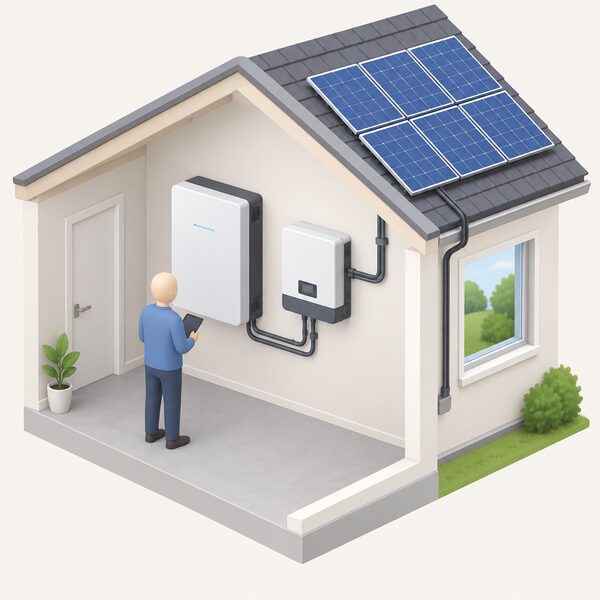
There is an important compatibility condition. Eleven Energy states that, due to the properties of sodium chemistry, standard inverters will not be able to fully charge or discharge its batteries, which must be paired with Eleven inverters for optimum performance8. It also states that different battery types should not be mixed on the same battery port, though different compatible types may be possible on separate ports with confirmation from the company8.
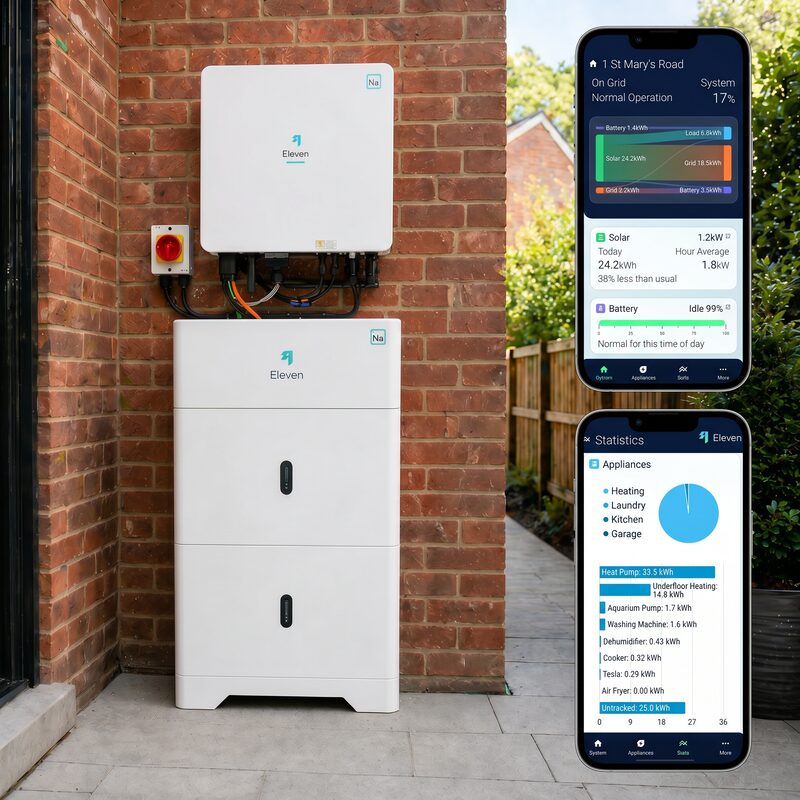
For a household, this means sodium-ion is a system choice rather than a component swap. The battery, the inverter and the app come as a package, and the data hosting sits with the manufacturer. That is a form of dependence worth naming: the household's storage is tied to one company's hardware and one company's platform.
Which chemistry fits which home
Lithium-ion is the default for most homes today. It is the main type for domestic use, the most popular chemistry for residential solar storage, and the most common battery type for electric vehicles4. Independent guidance regards it as the most cost-effective option, and a maker guide calls it the best option for a solar energy system today: affordable, widely available and proven4. For a household that wants a battery installed this year, with a choice of installers and a known price range, lithium-ion is what the market offers.
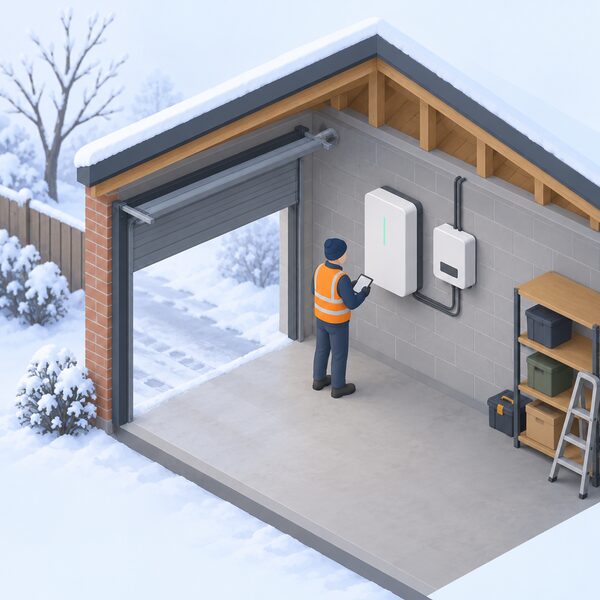
Sodium-ion suits a narrower set of circumstances. A household with an unheated garage or outbuilding, where winter temperatures would reduce lithium-ion performance, is the clearest case, given the quoted operating range of minus 20°C to 55°C and discharge to minus 30°C1. A household that wants to avoid lithium, cobalt, nickel and copper on supply chain grounds has a maker-stated reason to choose it1. A household willing to accept limited availability, installer-quoted pricing and a single-maker ecosystem is the profile that fits.
What neither chemistry removes is dependence. A home battery, whatever its chemistry, stores energy that still comes from the grid or from on-site generation, and it is managed through a manufacturer's inverter and app. Sodium-ion reduces dependence on constrained minerals and, on the maker's case, on fire risk mitigation. It does not reduce dependence on a supplier, a distribution network or a single company's continued operation and software support.
For households weighing the wider field, the site's guide to sodium-ion home batteries covers where the technology stands, and which home batteries use sodium-ion cells lists the products involved. The emerging home energy technology pillar sets both chemistries alongside the rest of the field, and technology readiness and energy product claims explains how to read a maker's performance figures. Households comparing storage with a vehicle-based alternative can start with vehicle-to-grid or a home battery.
Sources28 cited
- Bridgelink sodium-ion battery systems, Eleven Energy, 2026
- Eleven Energy sodium battery range, Midsummer Wholesale, 2026
- What type of battery is best for solar, Marley, 2026
- Electrical energy storage systems, Flexi-Orb, 2025
- Lithium-ion batteries at home, North Wales Fire and Rescue Service, 2026
- Britain benefits from the summer sun, Solar Energy UK, 2024
- Battery storage and solar panels, The CPA, 2026
- Eleven Energy frequently asked questions, Eleven Energy, 2026
- How many batteries does a home need, SAJ Electric, 2026
- Battery storage, Energy Saving Trust, 2026
- Solid-state battery vs lithium-ion, LuxpowerTek, 2026
- How do solar batteries work and store energy, SO Energy, 2024
- Lithium-ion Battery Safety Bill, UK Parliament, 2024
- A brief history of the electric car, Energy Saving Trust, 2021
- What's driving home energy hikes, Energy and Climate Intelligence Unit, 2021
- Do solar panels work in winter, Uswitch, 2026
- The UK's new product safety framework, UK Government, 2026
- Battery Breakdown, Electrical Safety First, 2026
- Be summer ready, Northern Powergrid, 2026
- How e-bike and e-scooter design can be improved, Electrical Safety First, 2026
- E-bike safety advice, Electrical Safety First, 2026
- Clean heating options for challenging dwelling types, ClimateXChange, 2024
- Store and save, Centre for Alternative Technology, 2022
- Smart Export Guarantee six months on, Which?, 2020
- One month to go until the Feed-in Tariff closes, Which?, 2019
- Home solar battery storage solutions, SolaX Power, 2025
- What is battery energy storage, Duracell Energy, 2024
- LG ESS Home Batteries recall, Electrical Safety First, 2026
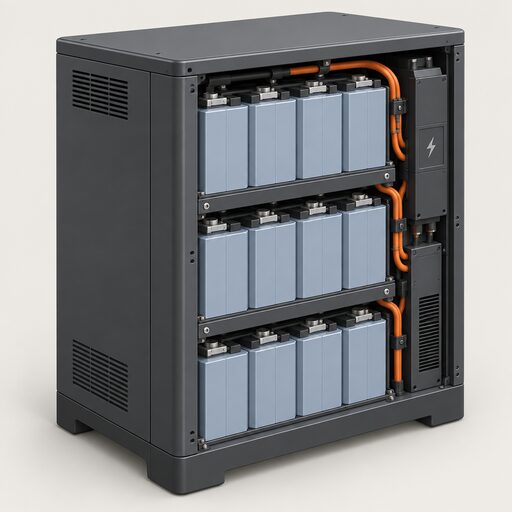 Sodium-Ion Home BatteriesSodium-ion cells are being offered for home storage in the UK, but almost all published performance data still comes from makers.
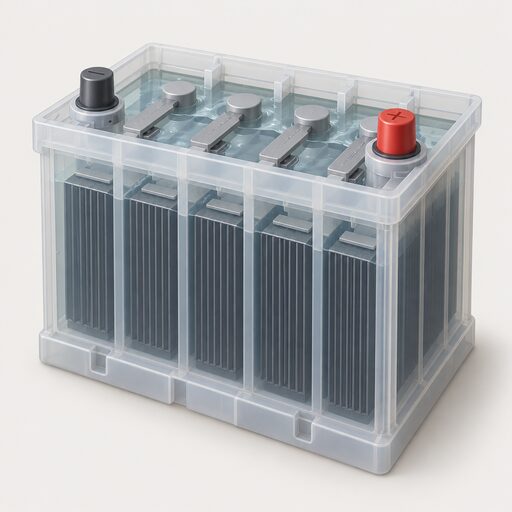 Lead-Acid, AGM and Gel BatteriesAre lead-acid batteries still worth using for solar or an off-grid home?
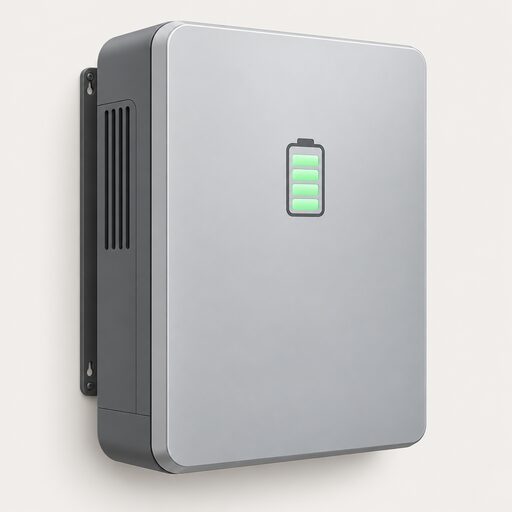 The Full Home Batteries GuideA home battery stores cheap or solar power for later, but will it really cut your bills enough to be worth it?
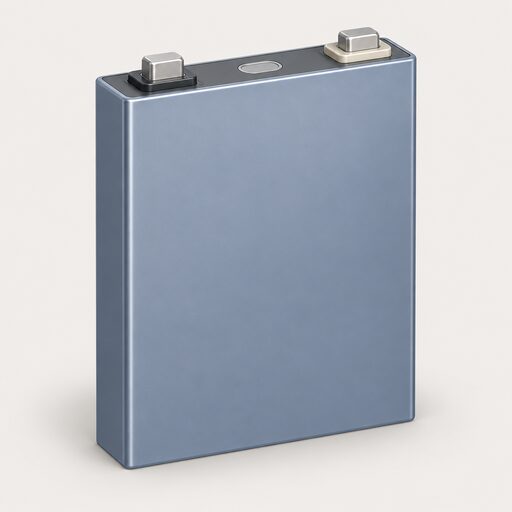 Battery ChemistriesWhich home battery lasts longest, and is it the safest?
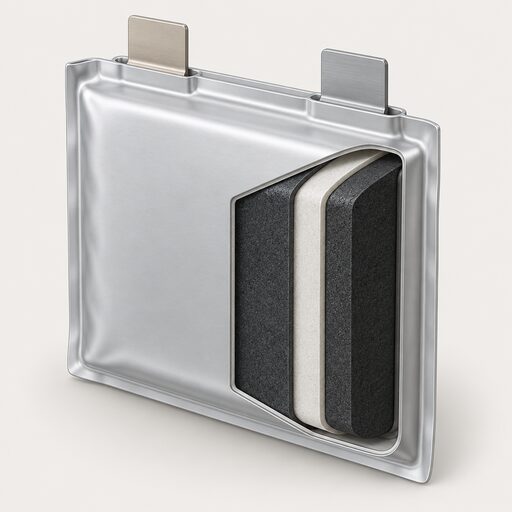 Solid-State BatteriesAre solid-state batteries on sale yet, and should you wait for one?
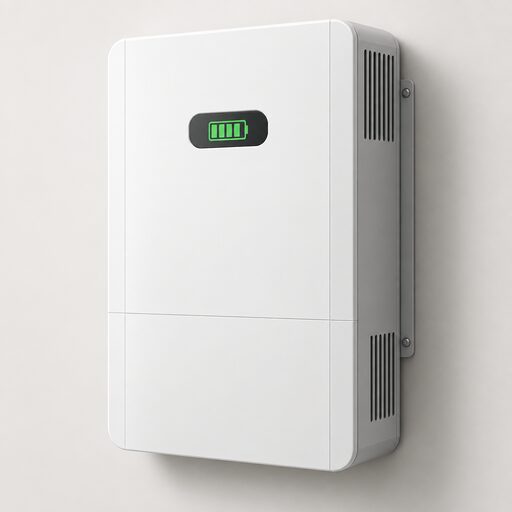 Home Battery Install StatisticsHow many homes in the UK actually have a battery, and is that number growing quickly?