

In this answer
Short answer
Visit a Heat Pump is a service run by Nesta that connects people interested in a heat pump with people who already have one, so that a householder can see an installed system in a real home and ask the owner questions before committing to anything1. Hosts upload basic information about themselves and their property and create time slots; visitors find hosts using filters such as location, installer or type of property, and sign up to visit2. Visitors can also message hosts directly and request visits3.
The scale is now substantial. The platform features over 1,200 homes with heat pumps where owners answer questions online and invite visitors, and more than 1,200 people have registered their homes on the scheme4. Across the scheme there have been more than 1,500 bookings with heat pump owners in their area4. Houses in London have seen the most visits from the heat-pump curious, with 247 visits in total, followed by Edinburgh with 39 visits and Bristol with 33 visits4.
What the scheme offers a household is evidence rather than a sales pitch: a working installation, a named installer behind it, and an owner willing to describe what living with the system is actually like. It does not remove the dependence that remains, which is the electricity supply, the network connection and the installer's own competence.
What Visit a Heat Pump is and how it works
The service is a matching platform rather than an advice line or a directory. Nesta runs the Visit a Heat Pump service that allows people to host visitors to help them understand how low carbon technology could work in their own home1. The website connects people interested in a heat pump with people who already have one2. Nesta describes the model as advice fronted by respected experts and people with lived experience of living with a heat pump7.
The mechanics are deliberately light. To sign up, hosts upload some basic information about themselves and their property, such as where they live and the type of property, and create time slots for visits2. Visitors then search by location, installer or property type and book a slot, or message a host directly3. Filtering functionality was added so visitors can find properties that are more like their own3, and prompts were added to the host sign-up page encouraging hosts to provide the information most useful to visitors3.
Nesta has said the core of the platform works and could easily scale to support more visits3. The scheme has also been described as being at pilot stage8, and Nesta's wider sustainable future mission aims to reduce home carbon emissions in the UK by 30% by 20306.
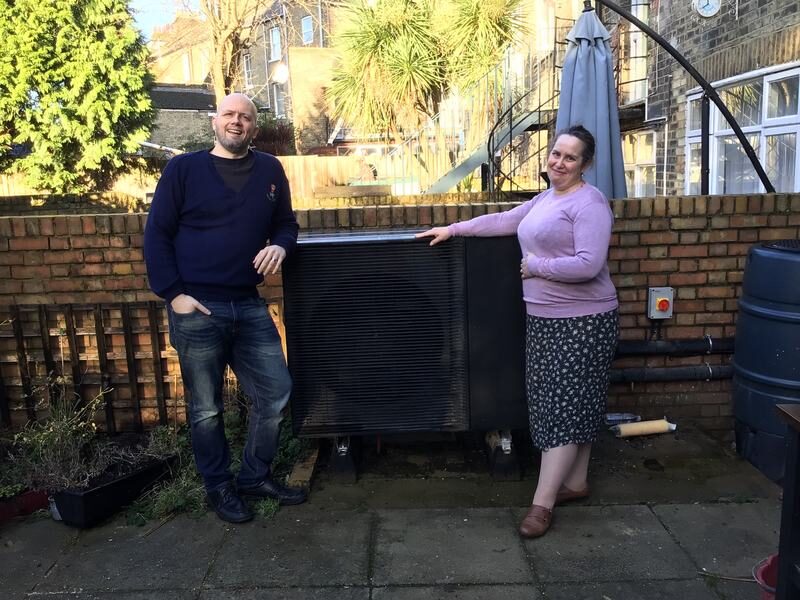
Why seeing a real installation matters before you buy

A heat pump is not a like-for-like swap for a boiler, and the differences are the things a householder most wants to see. As heat pumps are most efficient when producing heat at lower temperatures than conventional boilers, more radiators are often needed or improved building insulation is required when one is installed in place of a liquid fuel or gas heating system9. Before having a heat pump installed, an assessment is needed to see whether bigger or additional radiators will be required10. Depending on the age of the property, an asbestos check may be needed before the installer can begin10.
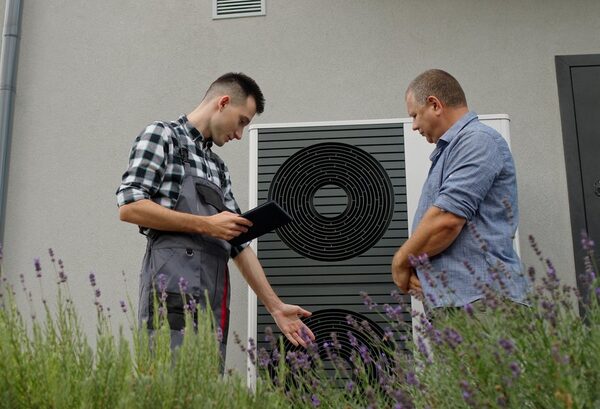
That is the case for seeing a finished job rather than a showroom unit. A competent installer should visit the property to assess heat loss, positioning and system design before quoting11, and for a water source heat pump the installer will assess the suitability of the site before any installation takes place12. Seeing a completed installation in a comparable house shows what those assessments produced in practice: where the outdoor unit sits, how the radiators were changed, where the cylinder went.
The questions visitors bring are practical rather than technical. In pre-visit survey responses, 88% hoped to find out about the experience of living with a heat pump, 72% about the cost to run one, 72% about the changes required to the home, 47% about installation cost, 38% about the appearance of a heat pump and 33% about how a heat pump works, with multiple answers allowed13. Those are questions a specification sheet answers poorly and an owner answers well.
For household energy independence, the visit is where the trade becomes concrete. A heat pump moves a home off gas, oil or LPG for heating, but it does not move it off the grid: the household still buys electricity, still depends on a network connection, and still depends on an installer to design and commission the system correctly. What the visit changes is the household's ability to judge whether that trade is worth making in its own building.
"a competent installer should visit your property to assess heat loss, positioning and system design before quoting"
Installers on the platform and what their accounts show
The installer side of the platform is thinner than the host side, and the numbers show it. In total, 194 installers are represented on the platform, with 146 of them having only one heat pump featured5. A total of 47 installers have registered accounts on the platform, and a further 207 installers have been manually entered on their profiles14.
An installer account carries practical benefits. It lets a company ensure its company information and contact information is shown next to all its installs on the platform, see all its listed installs, create a shareable link to all of them, and access content supporting previous customers to become hosts3. For a householder, the value is that a listed installation can be traced back to the firm that fitted it, and that firm's other work can be seen in one place.
The platform also functions as a check on an installer a householder is already considering. It is possible to check whether the installer has any installations listed on Visit a Heat Pump, so a homeowner might be able to visit one of their installs in person, or ask their past customers for their experience15. That is a different kind of check from a review score: it is a named property, a named owner and a system that can be inspected.
Most hosts had their heat pump installed within the past three years5, so the systems on show are recent designs rather than early installations. Booking an installer to quote took a few weeks in one documented case16, which is worth knowing before a householder sets a deadline.
| What the platform shows | Figure | Date |
|---|---|---|
| Installers represented | 194 | 20245 |
| Installers with only one heat pump featured | 146 | 20245 |
| Installers with registered accounts | 47 | 202514 |
| Installers manually entered on profiles | 207 | 202514 |
What a visit changes: evidence on attitudes and confidence
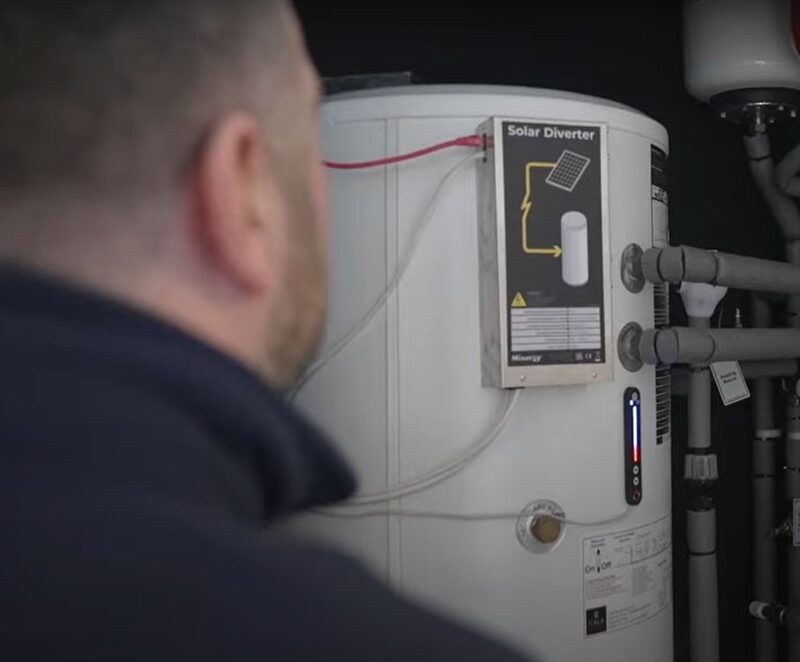
Nesta's own survey data suggests that visits change visitors' attitudes, beliefs and confidence levels, and that this in turn makes them more likely to install a heat pump and to progress quicker with installation3. That is the scheme's central claim, and it is a claim about behaviour rather than about the technology.
The campaign evidence points the same way. Switching focus to encourage people to message a heat pump host, and making that call to action clear in the copy, saw an immediate uptick in conversions7. In other words, the conversation with an owner, not the browsing of listings, is what moves people.
The visitor profile is worth knowing for anyone deciding whether the scheme suits them. Pre-visit survey respondents were more likely to be older, with 58% aged 55 years or older, and 78% white13. Hosts most commonly live in pre-1920s properties, which Nesta presents as demonstrating that heat pumps can be a feasible option for older properties5. That matters because older housing stock is where the radiator and insulation questions are hardest.
The scheme sits inside a wider body of work on how the British public views heat pumps, published in July 2026, which found self-sufficiency the strongest motivator and cost the biggest barrier17. A visit speaks to both: it shows an owner who is no longer buying gas or oil for heat, and it lets a householder ask what the system costs to run before they commit.
Who runs the scheme, and what that means for trust
Nesta runs it. Nesta is a registered charity in England and Wales, number 1144091, and in Scotland, number SC0428336. Its sustainable future mission aims to reduce home carbon emissions in the UK by 30% by 20306, and it has been developing and testing innovations addressing the opportunities and challenges facing networked heat pumps6. Nesta can be reached by phone on 020 7438 2500 or by email at information@nesta.org.uk6.
The charity status matters for how the scheme should be read. It is not a marketplace taking a commission on installations, and it does not sell heat pumps. It is a research organisation running a service and publishing what it learns, including the finding that the core of the platform works and could scale3. The scheme has been described as being at pilot stage8, which is a statement about its maturity rather than its usefulness.
For a householder, the practical consequence is that the platform is a source of introductions and evidence, not a guarantee. Nesta does not design the system, does not commission it and does not warrant it. The installer does that, and the householder's own checks, including the pre-quote assessment11 and the radiator assessment10, remain the things that determine whether the installation performs.
Hosts, properties and how to sign up
Hosts are households that already have a heat pump and are willing to show it. As of 14 October 2024, six months after the service launched, 425 people had signed up to be hosts on the platform, and since then an average of six people a week have signed up5. By April 2026, more than 1,200 people had registered their homes on the scheme4.
Hosts most commonly live in pre-1920s properties5, and most had their heat pump installed within the past three years5. That combination is useful for a visitor: the properties are the older, harder ones, and the installations are recent enough to reflect current practice.
The sign-up process for a host is the same one visitors see from the other side. Hosts upload basic information about themselves and their property, such as where they live and the type of property, and create time slots2. Nesta has added prompts to the host sign-up page encouraging hosts to provide the information most useful to visitors3, which is a response to what visitors actually ask about.
For a householder considering a heat pump, the sequence that the evidence supports is: look at what the platform lists near you, filter for a property like your own, message a host with the questions that matter to you, and then take the installation route through a competent installer who will assess heat loss, positioning and system design before quoting11. The visit informs the decision; it does not replace the survey.
Sources17 cited
- Heating oil households lined up for cheaper heat pump installations, Nesta, 2026-04-22
- Seeing is Believing, Nesta, 2024-11-13
- What's next for the platform and how you might use it, Nesta, 2024-11-13
- More than 1,200 heat pump owners have registered with Nesta's Visit a Heat Pump scheme, Nesta, 2026-04-15
- The hosts, their properties and their installers, Nesta, 2024-11-13
- A networked approach to low carbon heat, Nesta, 2026-09-20
- Decoding the heat pump consumer: 7 key insights, Nesta, 2026-07-02
- Monitoring your heat pump's performance, Centre for Alternative Technology, 2025-06-29
- Future liquid fuels, UKIFDA, 2026-01-27
- Would a heat pump work for your home?, Which?, 2024-11-19
- How to find a heat pump installer, APHC, 2026-02-20
- Water source heat pumps, Energy Saving Trust, 2024-04-24
- The visitors and their expectations, Nesta, 2024-11-13
- One year on: Visit a Heat Pump sees over 1,600 visitors, Nesta, 2025-04-07
- How can I find a trustworthy installer, Nesta, 2025-01-21
- Joanna Oloan: upgrading storage heaters with an air source heat pump, Energy Saving Trust, 2026-02-19
- What our research means, Nesta, 2026-07-02
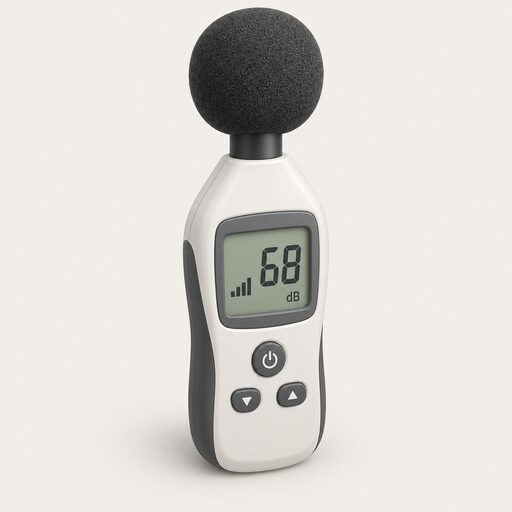 How Noisy Is a Heat PumpHow loud a heat pump actually sounds when it is running, whether it will annoy your neighbours, and what the rules say about how close it can be to their windows.
 The Full Heat Pumps GuideWill a heat pump keep my house warm in winter, and what does one cost to buy and run?
 Which Homes Suit a Heat PumpMost UK homes can have a heat pump fitted, so the real question is whether yours makes it easy or expensive.
 Servicing and MaintenanceHow often does a heat pump need servicing, and what actually happens during the visit?
 How They Perform in UK HomesHow well do heat pumps really work in UK homes, and why do some run far better than others?
 Using a Heat Pump for CoolingCan a heat pump cool your home in summer as well as heat it in winter?