

In this answer
Short answer
A regional retrofit advice service is the local or devolved route into home energy work: a hub, helpline or council scheme that tells a household what its property needs, what grants exist and who can do the work. National Energy Action has developed community retrofit hubs that offer handholding energy advice to the most vulnerable1, and its retrofit hubs in Oldham, Burnley and Sheffield guide residents through the process2. In Wales, a pan-Wales retrofit support scheme began in four regions: Cardiff, Pembrokeshire, Powys and Gwynedd3.
The picture is uneven. The Energy Saving Trust found the biggest gap in retrofit advice provision in Great Britain is in England, where only parts of the country have access to local services, meaning overall provision is inconsistent4. Its recommendation for a national retrofit advice service is England only, because retrofit advice is already in place in Scotland, Wales and to some extent in Northern Ireland5. Citizens Advice has called for the government to design minimum standards for local retrofit services6.
For a household, the practical value is a single starting point: free, tailored, independent advice delivered nationally to help consumers navigate the market6, with impartial, personalised advice at both local and national level4. What follows is who runs the hubs, what they cover, how to reach them and who qualifies.
What a regional retrofit advice service is, and who runs the hubs
The term covers several different things. At one end is a helpline or advice hub, free to use, that helps a household understand its options. At the other is a retrofit service, usually a private, paid-for service that can help plan or coordinate home improvements10. The free public services are the ones most households meet first, and they are run by a mix of charities, devolved agencies and councils.
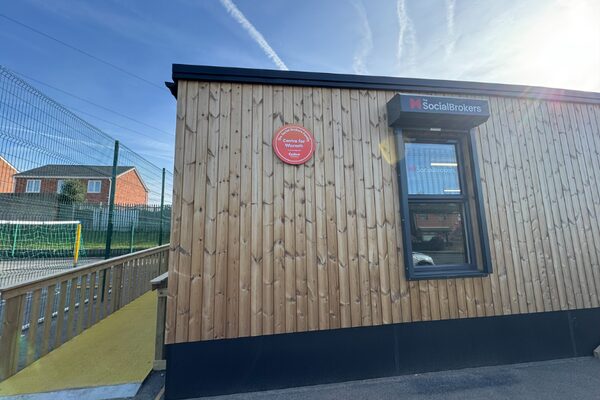
National Energy Action, the fuel poverty charity, runs community retrofit hubs offering handholding energy advice to the most vulnerable1, with hubs in Oldham, Burnley and Sheffield2. Its practitioners describe the work in terms of trust: trust takes a lot of time to build and is damaged by past poor installs11. That is the case for a local presence rather than a national call centre alone.
Councils and combined authorities run their own. Act on Energy has qualified Retrofit Advisors giving advice on measures, suitability, costs and grants12. Greater Manchester provides a retrofit portal where residents can get advice on improvements, check funding eligibility and find local installers13. Cheshire West and Chester runs support schemes for home energy14. The West Midlands Combined Authority's Buildings Retrofit Pilot is aimed at local authorities, housing associations and public sector organisations in its county rather than individual households15.
The ambition behind this is larger than a phone line. A 10-year Local Retrofit Delivery Framework has been proposed to support regions in setting up a Retrofit Taskforce and local one-stop shops11. Citizens Advice argues the government should design minimum standards for local retrofit services6, which implies the current patchwork is not yet at that standard.

The regional hubs: which service covers which part of the UK
Coverage differs by nation, and within England by council area. The Energy Saving Trust's assessment is blunt: the biggest gap in retrofit advice provision in Great Britain is in England, where only parts of the country have access to local services, meaning overall provision is inconsistent4. Its recommendation for a national retrofit advice service is England only, noting that retrofit advice is already in place in Scotland, Wales and to some extent in Northern Ireland5.
In Wales, a pan-Wales retrofit support scheme was launched with availability in four regions: Cardiff, Pembrokeshire, Powys and Gwynedd3. Alongside it, the Welsh Government has funded warm hubs that help people access library services, health and wellbeing activities, housing and benefit advice, employment support, IT training and services delivered by partner organisations, as at Llandaff North and Gabalfa Hub16.
In Scotland, Home Energy Scotland runs an advice hub that is free to use, with tools to start an energy saving journey8. Scottish Area Based Schemes meet most or all of the cost of improvements for owner occupiers and eight out of ten private landlords17.
In England, provision is local. National Energy Action lists local and devolved schemes available for households in some parts of the UK, varying by area and local authority18. Availability changes regularly, so checking local authority websites or speaking with qualified installers is the practical route19. Some councils publish their own advice: Oxford City Council has collated retrofit advice plus a summary of key grants for householders20, and Torridge District Council runs an energy efficiency advice page7.
| Nation | Main route | Coverage note |
|---|---|---|
| England | Council and combined authority schemes, charity hubs | Inconsistent; only parts of the country have local services4 |
| Scotland | Home Energy Scotland advice hub | Free to use, with online tools8 |
| Wales | Pan-Wales retrofit support scheme | Initially Cardiff, Pembrokeshire, Powys and Gwynedd3 |
| Northern Ireland | Retrofit advice in place to some extent | Cited as already in place relative to England5 |
What the advice covers: measures, grants and funding
A good advice service does three things: identifies measures, tests whether they suit the property, and points to the money. Act on Energy's advisors cover different measures, what might or might not work for the home, costs and grants12. The Government Retrofit Advice Service goes further on paper: for each recommendation it provides an estimate of how much the improvement will cost, how much could be saved on bills and what the next steps would be14.
Funding advice is where local knowledge matters most. Local authority retrofit programmes vary across the country and may support solar installations, insulation upgrades, low-carbon heating systems and broader energy-efficiency improvements19. The Warm Homes: Local Grant offers improvements in the order recommended by the Retrofit Assessment21, which ties grant-funded work to the assessment sequence rather than to whatever a household asks for first.
Whether a household can get financial help depends on several factors: where you live, your financial situation, whether you own or rent your home, and the type of property22. That is why the same enquiry produces different answers a few miles apart.
For households planning the sequence of work, the advice service sits alongside the technical documents: a retrofit assessment sets out what the property needs, and a whole house plan sets the order. Advice services are often used for larger or more complex projects, including multiple improvements, major renovations, older or traditionally constructed homes, or projects with several contractors or specialist trades10.
Free advice lines and how to contact your local hub

The telephone routes are the quickest way in. The Local Energy Advice Programme runs a free telephone advice service to help with benefits, money and bill problems on 0800 060 75677. The same freephone number is published by Torridge District Council for energy efficiency advice7. Home Energy Scotland's advice hub is free to use and includes tools to begin an energy saving journey8.
For installation-stage questions, HIES runs an advice line on 0344 324 5242, offering guidance at any stage of an installation23. For power cuts, the 105 helpline is free to call to report an outage or get updates9.
Councils add their own routes. Hammersmith and Fulham offers free planning advice for energy improvements through its duty planner advice service24, which is the channel for questions about permitted development and conservation areas before any work is specified. Manchester runs a Home Repairs Support Service at no cost25, and its wider housing help pages cover home improvement assistance25.
"call 105 for free to report it or get updates"
Finding the right hub is a matter of starting with the council for the property's area, then the national or devolved service for the nation. Because availability changes regularly, a page that was accurate last year may not be now19.
Home visits and end-to-end support: what some hubs offer beyond the phone line
Some services go well past a phone call. The Local Energy Advice Programme provides a free home visit from a qualified Home Energy Advisor26. That matters because a house's problems are often not the ones a household expects: the advisor sees the damp, the draughts and the boiler together.
National Energy Action's retrofit hubs describe end-to-end support that links into energy bill or benefit advice, and help with problems such as damp remediation or broken windows to get a house ready for retrofit11. They also provide aftercare: regularly scheduled check-ins and community-based ongoing support11. That combination, practical repairs plus benefit advice plus follow-up, is closer to casework than to a helpline.
Warm hubs in Wales extend the model further, offering library services, health and wellbeing activities, housing and benefit advice, employment support, IT training and services from partner organisations16. The advice is the entry point; the hub is a physical place.
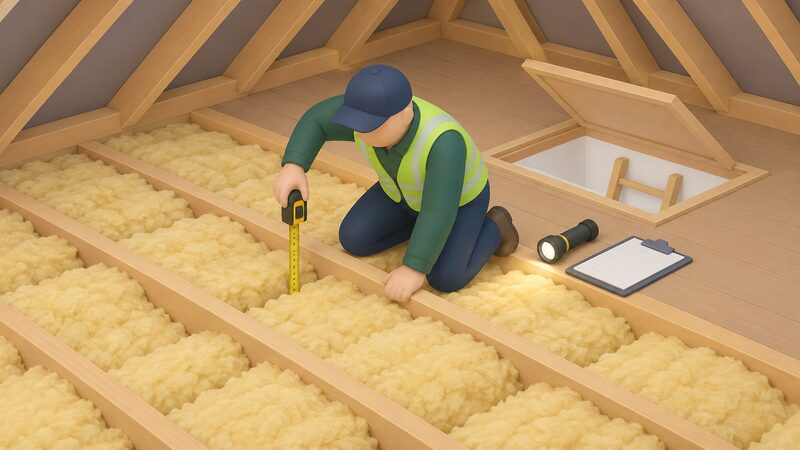
The qualification behind the assessment work is worth knowing. PAS 2035 calls for a Level 3 qualification in Retrofit Assessment9, and training providers have developed their own routes to meet it, with the Level 4 Award in Domestic Retrofit Assessment including twelve months' access to a professional hub and development support9. A household dealing with a retrofit assessor is dealing with someone working to that standard.
Who qualifies: residents, landlords, private tenants and vulnerable households
Access to impartial, personalised advice is a key enabler for households looking to make changes to their homes4, and the services are built around different groups.
Owner occupiers are the core audience for most council schemes. Home Improvement Loans can help owner occupiers and private landlords meet the cost of hazard removal, repairs and improvements to their property27. In Scotland, Area Based Schemes meet most or all of the cost of improvements for owner occupiers and eight out of ten private landlords17.
Private tenants have a different route. The private rented property energy efficiency regulations cover private, local authority and other public body landlords, as well as a tenant who sub-lets a property within scope28. Historically, Green Deal loans were available to home owners, landlords and tenants for improvements such as adding insulation or solar panels29.
Vulnerable households are the priority for the charity-run hubs, which offer handholding energy advice to the most vulnerable1. The Local Energy Advice Programme's telephone service is aimed at benefits, money and bill problems7, and its home visits are free26.
Landlords with larger portfolios or complex buildings may find that a paid retrofit service suits them better than a helpline: retrofit services are usually private and paid for, and are often used for larger or more complex projects10. The Buildings Retrofit Pilot in the West Midlands is a separate route again, open to local authorities, housing associations and public sector organisations rather than private landlords15.
For households in a listed building or conservation area, the advice route runs through planning. Official guidance is consistent that a listed building or conservation area property requires consulting the local planning authority30, that a listed building or conservation area requires contacting the local planning authority31, and that a property in the curtilage of a listed building or in a conservation area requires contacting the local planning authority32. Free planning advice for energy improvements is available through some councils' duty planner services24.
Where a household is unsure which route applies, the getting started guide sets out the order of work, and the nation-specific advice pages cover England, Scotland, Wales and Northern Ireland.
Sources32 cited
- Warm Homes Plan, National Energy Action, 2026-05-06
- Water poverty, National Energy Action, 2026-06-25
- Energy efficiency, Community Energy Wales, 2026-09-20
- National or local retrofit advice, Energy Saving Trust, 2025-10-07
- What the UK needs from the Warm Homes Plan, Energy Saving Trust, 2026-07-13
- Supporting the shift, Citizens Advice, 2026-07-29
- Energy efficiency advice, Torridge District Council, 2026-09-17
- Power cuts: what to do if your power goes out, Smart Energy GB, 2026-08-19
- What is a PAS 2035 retrofit assessor?, The Retrofit Academy, 2025-11-24
- A simple guide to retrofit services, Home Energy Scotland, 2026-08
- From the coldest room I've ever been in to a warm and healthy home, National Energy Action, 2026-03-16
- Retrofit, Act on Energy, 2026
- Homes and energy, Manchester City Council, 2026-09-20
- Support schemes, Cheshire West and Chester Council, 2026-09-17
- The Buildings Retrofit Pilot, West Midlands Combined Authority, 2026-09-17
- £15 million helping keep communities warm and connected, Welsh Government, 2025-12-22
- Heat in buildings progress report 2025, Scottish Government, 2025-10-02
- Retrofit support, National Energy Action, 2026-05-19
- Solar panel grants and incentives, The CPA, 2026-05-21
- Grants and finances, Low Carbon Hub, 2026-08-04
- Warm Homes: Local Grant, Greater Manchester Combined Authority, 2026-09-17
- Retrofit explained, Energy Saving Trust, 2026-02-03
- Homeowners, HIES, 2026-08-27
- Solar panels, London Borough of Hammersmith and Fulham, 2026-09-17
- Home improvement assistance, Manchester City Council, 2026-09-20
- Grants and funding, Tameside Council, 2026-09-17
- Housing financial assistance, Cornwall Council, 2026-04-01
- Trading standards guidance, Isle of Anglesey County Council, 2026-05
- Green Deal energy saving measures, GOV.UK, 2026-09-17
- Insulation planning permission, Planning Portal, 2026-09-17
- Rules around fitting a log burner, Planning Portal, 2026-09-17
- Permission for solar panels in a conservation area, Planning Portal, 2026-09-17
 The Full Heat Pumps GuideWill a heat pump keep my house warm in winter, and what does one cost to buy and run?
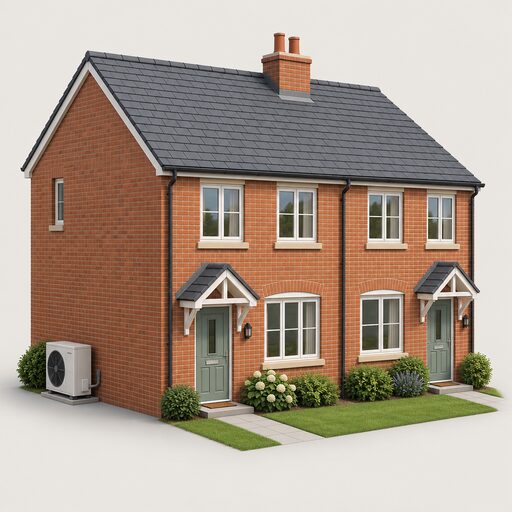 Which Homes Suit a Heat PumpMost UK homes can have a heat pump fitted, so the real question is whether yours makes it easy or expensive.
 The Full Grants and Schemes GuideWhich grants can you actually get right now, and how do you apply for them?
 The Full Insulation and Glazing GuideWhere is your home losing the most heat, and what can you do about it?
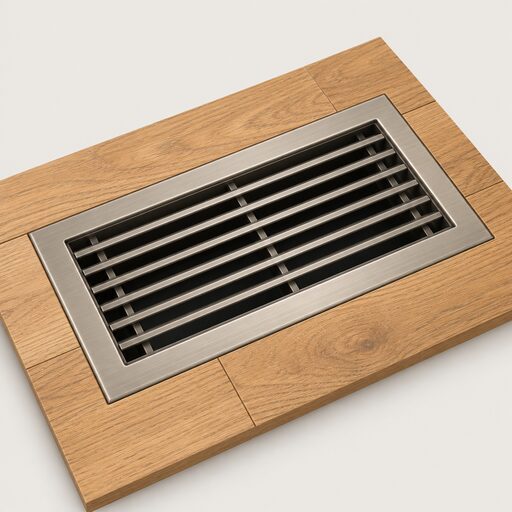 Warm Air Heating SystemsWarm air heating works by pushing heated air through vents in your floors or walls.
 The Full Where to Start GuideWhich home improvements actually cut your bills, and which should you do first?