
In this answer
Short answer
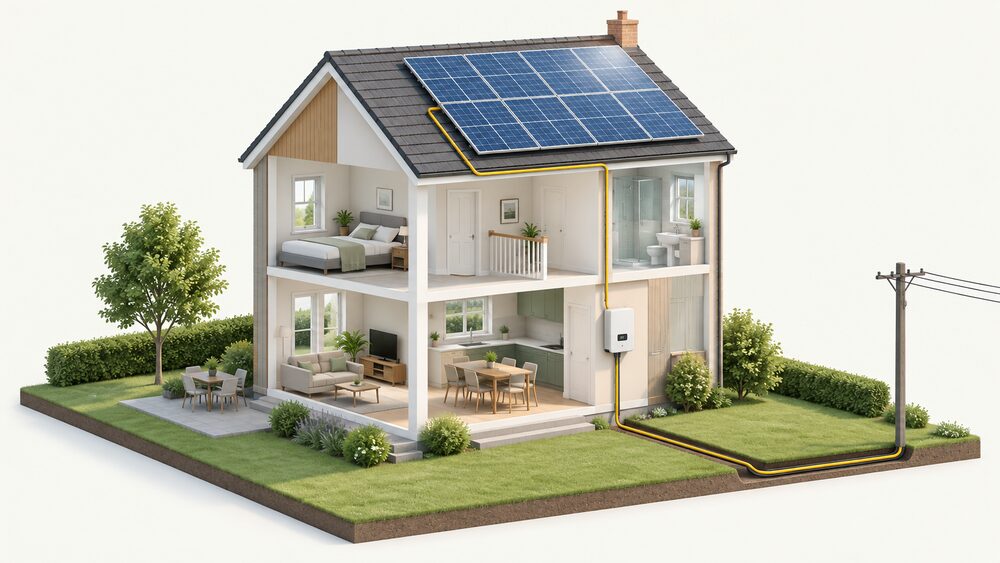
Yes. A solar array does not need a battery to work, to be connected, or to earn money. Panels generate whenever there is daylight, the home uses what it can at the moment of generation, and the grid absorbs the rest or supplies the shortfall. The electricity generated from the sun is completely free and is 100% renewable, and there is no burning of fossil fuels, so no polluting gases are released1.
What a battery changes is timing, not function. Without one, a household might use only 30 to 50 per cent of what it generates, exporting the remainder2. Because export rates are much lower than the tariffs paid for imported electricity, that exported unit is worth less than the unit bought back in the evening3. A battery closes that gap; it does not create the generation.
The battery-free option that has changed most recently is plug-in solar. From 27 August 2026, plug-in solar panels became legal across Great Britain, following safety testing, with the government describing savings of up to £100 a year4. These are small systems, connected by a standard plug and socket, and they carry no installation cost5.
How a panels-only system works
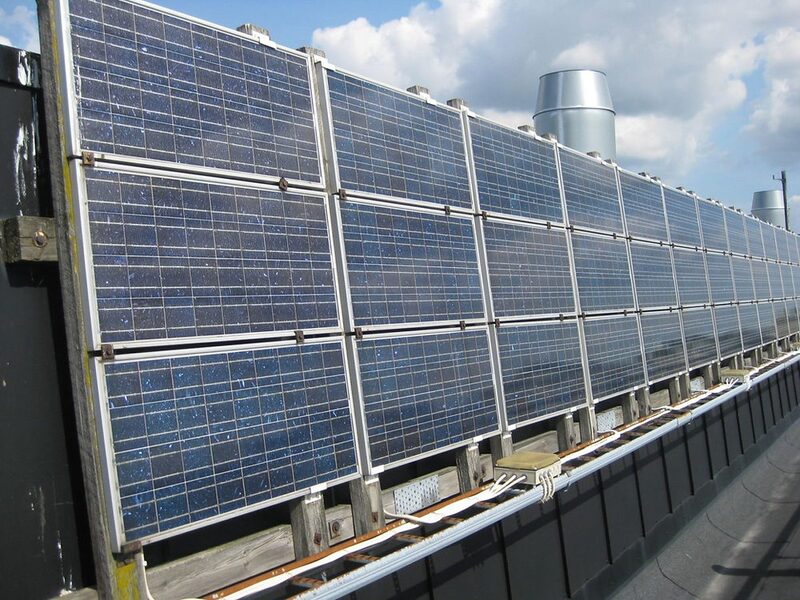
A solar photovoltaic system requires only daylight, not direct sunlight, to generate electricity8. That is the single most important fact for anyone deciding whether storage is necessary: the array is producing across the whole of the daylight window, not only in the bright middle of it. The Planning Portal states the same rule, that PV requires only daylight, not direct sunlight9. The Energy Saving Trust adds the mechanism, that panels absorb energy from the light spectrum visible to us and wavelengths that can pass through clouds10.
Generation is nonetheless shaped by conditions. Panels work best under clear, sunny skies but can produce electricity even on cloudy days11. They can work year round even without consistent direct sunlight12, and the House of Commons Library briefing confirms that the cells do not need direct sunlight to work and can still generate some electricity on a cloudy day13.
The limit is the clock, not the cloud. Solar PV panels only produce electricity during daylight hours14. When household consumption is more than the solar generated electricity, the system can draw energy from the national grid in the same way as when there was no solar PV at all1. That is the whole architecture of a panels-only home: generation in the day, import in the evening and overnight, with the meter recording both directions.
The drawback: exporting cheap and buying back at peak
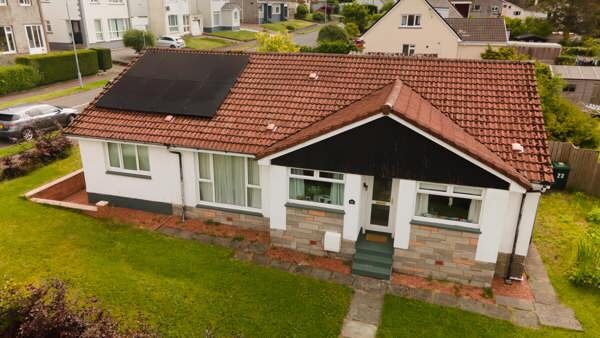
The economics of a battery-free system turn on one asymmetry. Rates for selling electricity to the grid are much lower than tariffs for using electricity from the grid3. A unit exported at midday is therefore worth less than the same unit imported at 6pm, and the household absorbs the difference.
The scale of that difference depends on how much generation is used on site. Without a battery, a household might use only 30 to 50 per cent of what it generates2. The rest is exported, and a solar PV system can sell any surplus energy not used back to the grid1. That export is not wasted, but it is undervalued relative to the import it displaces later.
Storage addresses this directly. A battery stores daytime generation for evening use, opens special export tariffs, and lowers electric vehicle charging costs with an overnight tariff15. The Independent Association of Accredited Advisors frames the conditions under which that is worth doing: it is most worthwhile if backup power is wanted, if full-retail export rates are not available, or if cheap overnight charging tariffs can be accessed16.
That finding is the reason a panels-only installation is a rational end state rather than a compromise. Where a decent export tariff is in place, the battery has to beat the tariff as well as the import price.
Plug-in solar: panels without batteries, on a standard socket
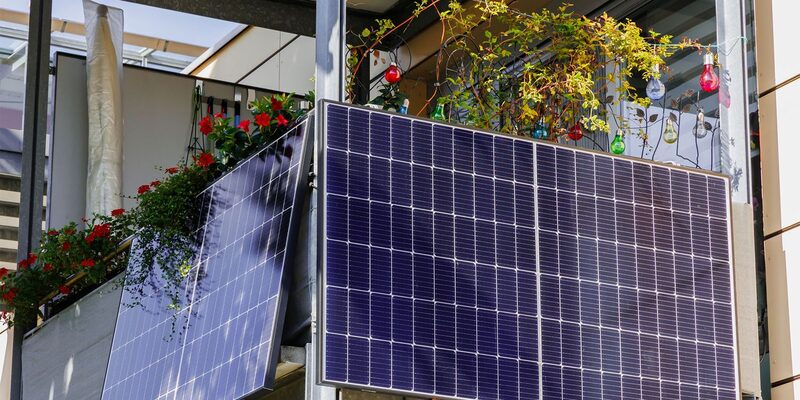
Plug-in solar is defined in legislation as solar photovoltaics intended for connection to the relevant domestic premises' electricity installation by means of a standard plug and socket17. The government consultation set out the aim: to allow consumers to connect plug-in solar systems without batteries directly to a standard mains socket, provided products meet defined safety requirements18.
The connection method is deliberately simple. Electrical Safety First describes plugging a small solar panel system into a standard socket, so consumers may be able to reduce their energy bills19. The interim product specification describes connection to an existing low-voltage electrical installation using a standard UK mains plug and socket, without requiring installation of a separate electrical circuit for export20.
There are hard constraints on where the plug goes. A plug-in solar device must be plugged directly into a permanent wall-socket circuit21, and shall only be connected to socket circuits and not to circuits supplying lighting or other fixed equipment21. Those are safety rules, not preferences.
Cost: what a battery-free route avoids
The headline cost difference is installation. Plug-in solar comes with no installation cost4, and the government's own announcement repeats that this comes with no installation cost and without taking any electricity from the grid5. Anyone can install them without the need for a professional installer or electrician21.
For a roof array, the fuel itself is free. Sunlight is free, so once the initial installation is paid for, electricity costs are lower22. The grid connection side is also usually free of charge: where an installer can complete their work without needing to upgrade the electricity supply, there are no costs payable to the network operator23.
| Route | Installer needed | Installation cost | Export possible |
|---|---|---|---|
| Roof array, no battery | Yes, normally | Installer-quoted | Yes, surplus can be sold1 |
| Plug-in solar, no battery | No21 | None4 | No, cannot sell excess back21 |
| Battery, no solar | Yes | Installer-quoted | Not applicable |
The trade-off is explicit. Unlike rooftop solar, plug-in systems cannot be used to sell excess power back into the grid, so the electricity does need to be used in the home21. The aim of the product category is to make clean energy easier and cheaper for households24.
A battery without solar panels: the reverse option
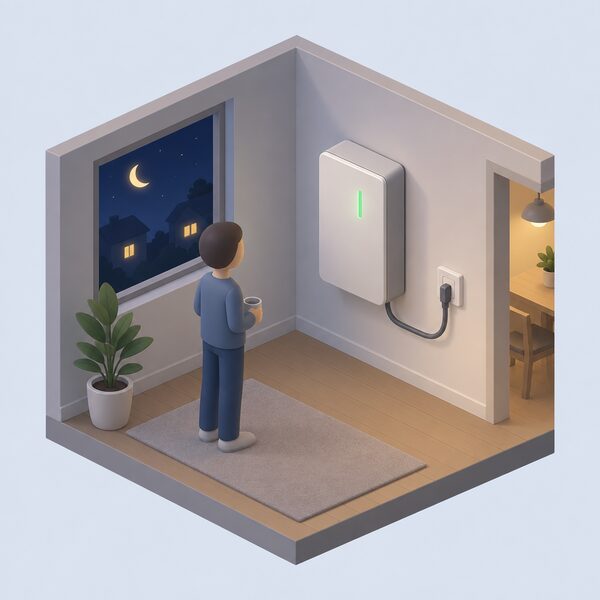
Storage does not require generation on the same property. A battery can be charged from excess electricity generated from solar panels or other home generation, from the mains electricity supply, or from off-peak grid electricity on a time-of-use tariff16. That third source is the one that makes a battery-only installation coherent: charge overnight when electricity is cheap, discharge during the day.
The installation sits in the same planning category as panels. The installation of solar panels and equipment on residential buildings and land may be permitted development, with no need to apply for planning permission25. Local authority guidance across England repeats the position: homes can often have solar panels without requiring planning permission from the council, covered by permitted development so long as certain conditions apply7, and installing solar panels will generally not need planning permission26.
On the comparison between the two configurations, independent guidance is candid: in its research, there does not seem to be much difference between the options28. The choice between panels-first and battery-first turns on the tariff available and the household's own consumption pattern, not on a technical hierarchy.
Adding a battery later, and what to check first
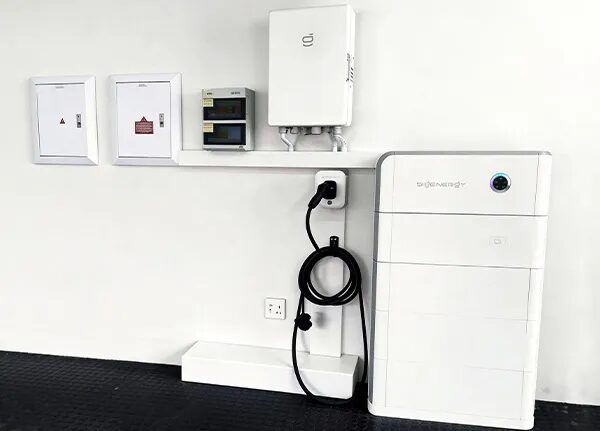
Retrofit is normal. Guidance for buyers of a home with existing panels suggests considering battery storage if the system does not already have it, so that surplus electricity is stored rather than all exported29. The same economics apply as at first installation: adding a battery can increase bill savings, but often not enough to recover its cost within the battery's expected lifetime where a good export tariff is available6.
Where the panels were not bought outright, the question is different. For free solar PV systems, one of the points a consumer needs to establish is whether they can add to the system at a later date30. That is a contractual question about the system owner, not a technical one.
What this means for household independence
A panels-only system delivers partial independence, and it is worth being exact about which part. The household generates its own electricity whenever there is daylight, and the sun's output is free and 100% renewable1. It is not exposed to the fuel cost of its own generation, because there is no fuel.
What remains is dependence on the grid for every evening and overnight hour, and on a supplier and a tariff for the export payments that make the surplus worthwhile. A battery reduces the evening dependence but adds a new one: a manufacturer, an app, and a warranty term. Plug-in solar reduces the dependence on installers and certification paperwork, but it cannot export at all21, so the household still buys every unit it uses after dark.
The honest summary is that panels without a battery maximise generation and minimise equipment, and accept the grid as the storage medium. That is a defensible design, and for many homes it is the one the numbers support.
Sources30 cited
- Retrofitting your home: solar panels, Oxfordshire County Council, 2026-09-17
- Solar panels, Uswitch, 2026-09-16
- Energy improvement options: solar panels, London Borough of Hammersmith and Fulham, 2026-09-17
- Plug-in solar panels now available, Energy Saving Trust, 2026-08-27
- Households can save as plug-in solar panels come to market, Department for Energy Security and Net Zero, 2026-08-26
- Supporting households with low carbon technology combinations, Energy Saving Trust, 2026-07-15
- Solar panels and planning permission, Cornwall Council, 2026-09-17
- Generating your own energy: solar electricity, Welsh Government, 2026-09-17
- Solar electricity (photovoltaics), Planning Portal, 2026-09-17
- Solar power facts, Energy Saving Trust, 2026-08-13
- Solar PV panels, AgilityEco, 2026-09-20
- Do solar panels work in winter?, Uswitch, 2026-09-15
- Research briefing CBP-8090, House of Commons Library, 2026-09-17
- Energy saving myths, Centre for Sustainable Energy, 2026-07
- How to decide if solar panels are right for your home, ivie, 2026-09-20
- Solar battery storage guide: is a home battery worth it?, Independent Association of Accredited Advisors, 2026-09-20
- The Electricity Safety, Quality and Continuity Regulations 2002, Schedule 2 Part 14, legislation.gov.uk, 2026-09-17
- Plug-in solar consultation, Department for Energy Security and Net Zero, 2026-06-16
- Plug-in solar consumer guide, Electrical Safety First, 2026-08
- Plug-in solar interim product specification, Department for Energy Security and Net Zero, 2026-07
- Plug-in solar panels, Which?, 2026-09-15
- Generating renewable electricity, Energy Saving Trust, 2025-12-11
- Solar and storage: cost, time and what's involved, UK Power Networks, 2026-09-17
- Government must not put speed ahead of safety on plug-in solar panels, Electrical Contractors' Association, 2026-07-20
- Solar panels guidance, London Borough of Islington, 2026-09-17
- Solar Together Norfolk, South Norfolk and Broadland Council, 2026-09-17
- Planning and solar, Frome Town Council, 2025-09-02
- Tariffs for renewable technology, Energy Saving Trust, 2026-08-12
- Buying a house with solar panels, Energy Saving Trust, 2026-08-13
- Information regarding free solar PV systems, Renewable Energy Consumer Code, 2026-09-17
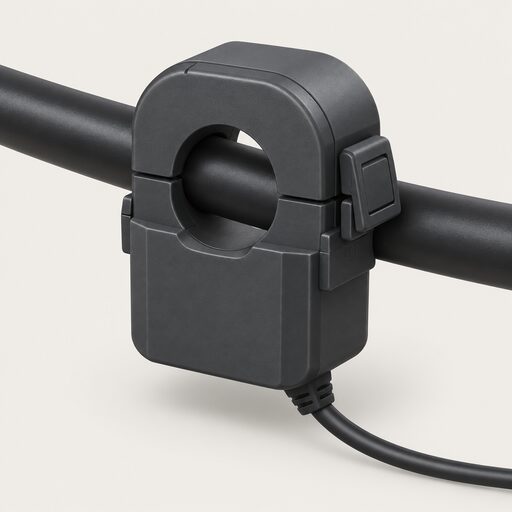 Charging an EV from Solar PanelsCharging your car from solar panels means using the power your roof makes instead of sending it to the grid.
 Energy Bills and IndependenceSolar panels can cut the part of your bill that goes up with every unit you use, but you still pay a daily standing charge just for being connected to the grid.
 The Full Solar Panels GuideHow much do solar panels cost, and what could they save you each year?
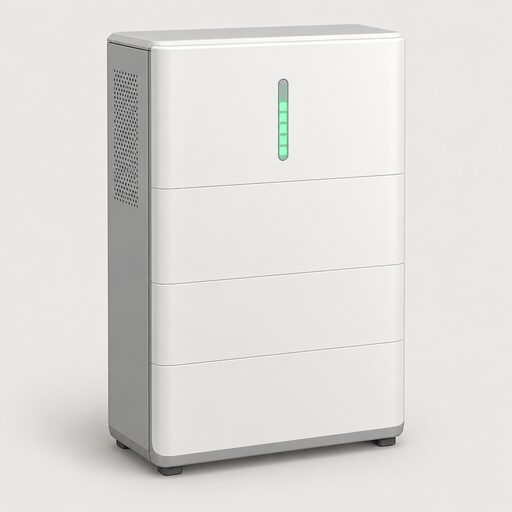 AC-Coupled vs DC-CoupledCan you add a battery to your existing solar panels without swapping the inverter, and does one kind waste more of your solar power than the other?
 Solar Export PaymentsIf you have solar panels, how do you actually get paid for the electricity you send back to the grid?
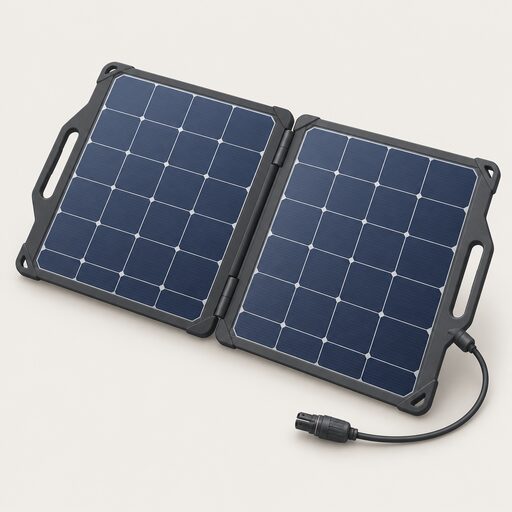 Solar Charging a Power StationCharging a portable power station from solar panels comes down to a few practical questions.