
In this answer
Short answer
No, solar panels are not required. Electrical battery storage qualifies for VAT relief when it is installed as a standalone technology connected to the grid, as well as when it is retrofitted to qualifying energy-saving materials1. The relief was extended to standalone and retrofit batteries from February 2024, so a household can have a battery fitted on its own and pay no VAT on the installation1.
The rate is 0%. VAT on battery storage installed with solar PV is 0%, and batteries added to an existing solar PV system are also 0%, having been charged at 20% until February 20242. Batteries installed at the same time as solar panels have always been subject to 0% VAT2. The zero rate is set to remain in effect until 31 March 20273.
What the relief does not do is make the battery free, or remove the other dependencies a battery carries: the grid connection, an electricity supplier, and in most cases a manufacturer's app or cloud service. It reduces the tax on one part of the cost. The sections below set out what is covered, where the relief applies, and what a battery does and does not do for a household's energy independence.
What the 0% VAT rate covers
The relief covers both the supply of materials and the cost of installation when the work is carried out by a VAT-registered installer4. It means no VAT is charged on the supply and installation of these energy-saving materials, provided a professional installer carries out the work6. The rate applies to the installation of solar panels and battery storage systems across Great Britain until 31 March 20277.
The mechanism matters for how a household sees the saving. Because the relief attaches to the installation as a single supply, the battery does not need to be itemised separately on the quote for the zero rate to apply. HMRC's own example treats a combined installation of solar panels with an ancillary battery as a single supply of an installation of solar panels which qualifies for the relief, where the work is in residential accommodation and under the same contract8. The same principle is what allows a battery alone to qualify: the battery is itself an energy-saving material, added to the qualifying list by the 2024 instrument1.
The relief is applied automatically by installers, and there is no need to apply separately: the supplier applies the 0% VAT rate when installing9. A household does not submit a claim to HMRC. That is worth knowing because it means the visible price on an installer's quote should already exclude VAT, and a quote that adds 20% to a qualifying battery installation is charging tax the relief removes.
"This relief covers both the supply of materials and the cost of installation when carried out by a VAT-registered installer."
Standalone or retrofit batteries: how the VAT position differs
The distinction that used to decide the VAT rate was timing, not whether solar was present. Batteries installed at the same time as solar panels have always been subject to 0% VAT2. Batteries retrofitted later did not receive VAT relief under the earlier rules10, and guidance from 2017 stated that batteries sold separately and retrofitted to existing solar systems would most likely attract the standard rate11.
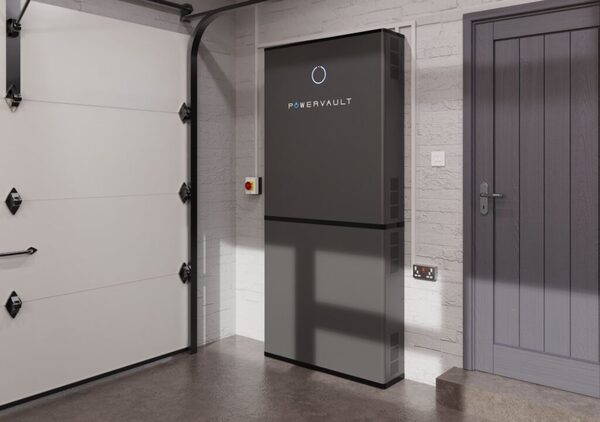
That changed. The 2024 instrument added electrical batteries that store electricity generated by certain energy-saving materials and from the grid to the qualifying list1. Powervault described the effect: the technology will now also qualify for VAT relief when either retrofitted to qualifying energy-saving materials or installed as a standalone technology connected to the grid12. Sonnen described the same change as extending the benefits of VAT removal to include not just new installations but also retrofit installations and standalone solar battery purchases13.
So the current position has three routes to the zero rate:
- A battery installed at the same time as solar panels, as a single supply8.
- A battery retrofitted to an existing qualifying energy-saving material, such as an existing solar array1.
- A battery installed as a standalone technology connected to the grid, with no solar at all1.
The third route is the one that answers the common question directly. A household with no panels, no roof suitable for them, or a flat or shaded roof can have a battery fitted and charged at 0% VAT on the installation.
Where the relief applies and which properties qualify
The relief applies to residential accommodation. The combined installation of solar panels with battery storage in residential accommodation continues to benefit from the relief14. The extension to standalone and retrofit batteries sits within the same framework, and the qualifying materials now include electrical batteries, water source heat pumps and diverters, and certain preparatory groundworks for ground and water source heat pumps1.
Across Great Britain, the 0% VAT rate applies to the installation of solar panels and battery storage systems15. The relief is described as benefiting homeowners in Great Britain on the installation of solar panels and battery storage systems6.
Northern Ireland is the part of the UK where the position has moved most. Under the Windsor Framework, the VAT relief for energy-saving materials, previously available only in Britain, has been extended to Northern Ireland5. Earlier official guidance stated that in Northern Ireland the list of qualifying goods and the rate of VAT due on installations would remain unchanged16. The two documents reflect different points in time: the 2022 statement described the position before the Windsor Framework change, and the newer guidance records the extension. A household in Northern Ireland reading older material may therefore see the relief described as unavailable, which is no longer the case.
| Nation | Position on the 0% rate for battery installation |
|---|---|
| England, Scotland, Wales | 0% rate applies to installation of solar panels and battery storage systems across Great Britain15 |
| Northern Ireland | Relief extended under the Windsor Framework, previously available only in Britain5 |
What battery storage means for household energy independence
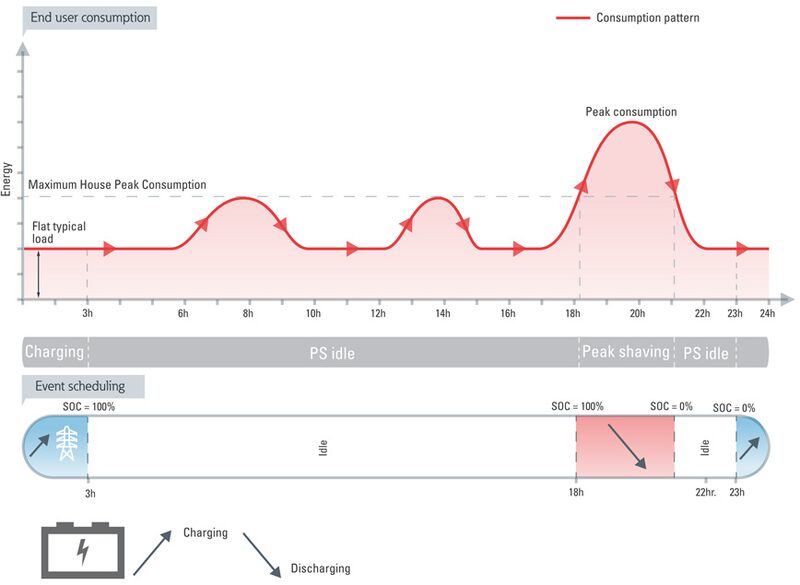
A battery's contribution to independence is about timing rather than generation. Home storage batteries store your electricity to use later, making your energy system more independent from the National Grid2. Free electricity generated by solar panels during the day can be stored in a household battery storage system so that it can be used at night17. Combined with a heat pump, a home battery lets a household store free, renewable electricity to power the heat pump, making it less reliant on grid electricity18.
The independence is partial and worth stating plainly. A standalone battery with no solar array does not generate anything: it shifts when grid electricity is drawn, storing cheap off-peak electricity from a time of use tariff and providing blackout protection, but every unit still originates from the grid and a supplier. A battery paired with solar captures surplus that would otherwise be wasted, including for overnight electric vehicle charging, where without a battery unused solar electricity is wasted or exported to the grid often at a relatively low rate.
What remains outside the household's control is the same list either way: the grid connection, the electricity supplier, the manufacturer's warranty and, for most systems, an app or cloud service for monitoring and control. The VAT relief changes the cost of the installation, not the structure of that dependence. For the wider picture of what grants and reliefs do and do not change, see grants and energy independence.
How the VAT relief fits with export payments and energy company schemes
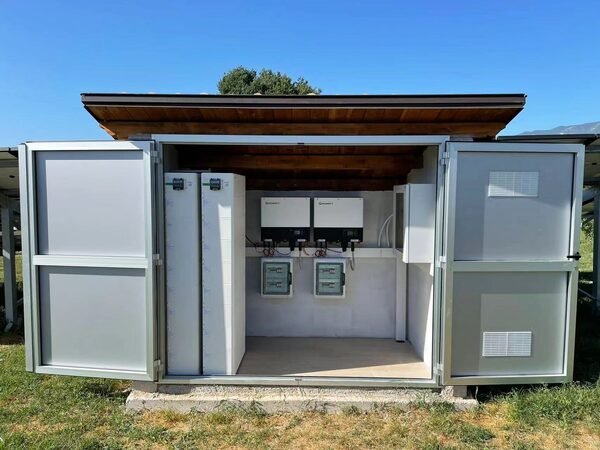
The VAT position and the export position pull in opposite directions, and both need weighing. Installing battery storage lowers the amount of electricity exported to the grid, reducing export payments, though overall savings are greater than relying on export payments19. The Smart Export Guarantee position is sharper still: exports, and therefore payments, reduce if there is a storage battery, and a storage battery may render a household ineligible for some SEG tariffs2. Solar Energy UK's own summary of the Smart Export Guarantee records that the Export Variable includes battery storage20.
The practical consequence is that a household adding a battery to an existing solar installation may lose or reduce an export tariff it currently holds. That is a tariff condition, not a tax one, and it is separate from the 0% VAT relief. The two should be checked together before work is commissioned.
On the grant side, the VAT relief is not a grant and does not depend on one. Energy companies of a certain size are responsible for ensuring low-income households get support for energy-saving upgrades under the Energy Company Obligation21, and solar panels, battery storage systems, heat pumps and some insulation measures currently qualify for a 0% VAT rate in many circumstances22. The relief and the obligation schemes are separate routes: one reduces tax on installed work, the other funds measures for eligible households. For the funding side, see grants and funding for home battery storage and VAT relief on energy-saving materials.
Sources22 cited
- Changes to the VAT treatment of energy-saving materials, legislation.gov.uk, 2026-09-17
- Solar panel battery storage, Which?, 2026-05-14
- Support with energy costs, Consumer Council for Northern Ireland, 2026
- Solar panel installation Salford, Fuse Energy, 2026-08-26
- Support to generate your own electricity, nidirect, 2025-09-22
- Solar panel installation Salisbury, Fuse Energy, 2026-08-25
- Solar panel installation Crawley, Fuse Energy, 2027
- VAT Energy Saving Materials: VENSAV3330, GOV.UK, 2026-09-17
- 5kW solar battery price UK, Jackery, 2026-06-04
- VAT Energy Saving Materials: VENSAV3210, GOV.UK, 2026-09-17
- VAT clarity for solar storage, REA, 2017-08-04
- Powervault celebrates government decision to extend VAT exemption, Powervault, 2024-01-19
- Recent VAT removal makes solar batteries more affordable, Sonnen, 2024-11
- VAT relief for energy-saving materials: explanatory memorandum, legislation.gov.uk, 2026-09-17
- Solar panel installation South London, Fuse Energy, 2026-08-15
- Changes to the VAT treatment of energy-saving materials in Great Britain, GOV.UK, 2022-03-23
- Getting smarter with energy, Centre for Sustainable Energy, 2026-07
- How to ensure a heat pump runs efficiently, Energy Saving Trust, 2026-05-19
- Battery storage, Home Energy Scotland, 2026-09-20
- Smart Export Guarantee, Solar Energy UK, 2026-05-12
- Ofgem guide, Uswitch, 2026-08-26
- Solar panel grants and incentives, The CPA, 2026-05-21
 Solar Charging a Power StationCharging a portable power station from solar panels comes down to a few practical questions.
 Sizing a Self-Sufficient HomeHow many solar panels and how much battery storage does a home need to stop relying on the grid?
 Batteries by Home TypeLooks at how house type, occupancy pattern, electrical supply and available space change what storage can achieve, from flats and terraces to rural and off-grid properties.
 The Full Home Batteries GuideA home battery stores cheap or solar power for later, but will it really cut your bills enough to be worth it?
 Charging an EV from Solar PanelsCharging your car from solar panels means using the power your roof makes instead of sending it to the grid.
 Grants and Energy IndependenceCan you get a grant for solar panels or a battery?