
In this answer
Short answer
The temporary zero rate of VAT on energy-saving materials ends on 31 March 2027. HMRC guidance states that qualifying installations benefit from the temporary zero rate until that date, and the legislation behind the current relief sets the period from 1 April 2022 until 31 March 20271. After that date the supply reverts to the reduced rate of 5%3.
The relief covers the installation of qualifying materials in residential accommodation and in buildings used solely for a relevant charitable purpose, and it applies across the United Kingdom4. Great Britain has had the zero rate since 1 April 2022; Northern Ireland has had it since 1 May 2023, when the Windsor Framework allowed the change to be extended there1.
For a household, the deadline is the practical point. Works completed and paid for before 31 March 2027 fall under the zero rate; works paid for afterwards fall under the reduced rate. The government has said it will not extend the zero rate beyond that date at this stage6.
The relief in brief: a temporary 0% VAT rate
The relief is currently set to a temporary zero rate of VAT which applies until 31 March 20271. HMRC's own guidance repeats the same end point in several places: energy-saving materials installed in residential accommodation and certain charitable buildings are subject to VAT relief at 0% until 31 March 20273. The Value Added Tax (Installation of Energy-Saving Materials) Order 2022 set the relief in force for the period from 1 April 2022 until 31 March 202710.
The zero rate is not a permanent feature of the VAT system. The government's consultation outcome describes the reforms as permanent in structure, but says that when the zero rate aspect of this relief sunsets on 31 March 2027, the reduced rate applies6. That distinction matters: the relief itself continues, but at 5% rather than 0%.
The temporary zero rate was expanded with effect from 1 February 2024 to include additional materials8. The legislation states that this rate applies from 1 February 2024 to 31 March 202711. The expansion added electrical batteries that store electricity generated by certain energy-saving materials and from the National Grid, water source heat pumps and diverters, and certain preparatory groundworks for ground and water source heat pumps1.
For a household, the practical effect is that the VAT position on a qualifying installation depends on when the supply is made and paid for. HMRC guidance notes that where the final payment was made on or after 1 April 2022, the supply would have been zero rated12. The same logic runs to the other end of the period: a final payment made on or after 1 April 2027 falls outside the zero rate.
What counts as an energy-saving material
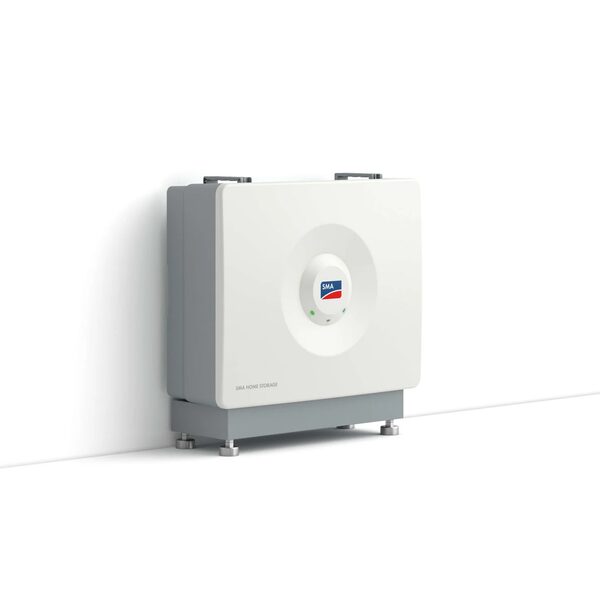
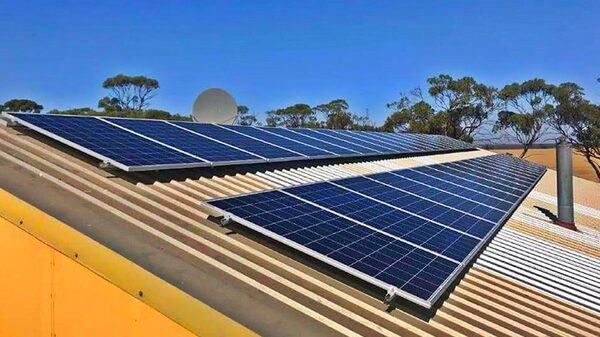
The qualifying list is set out in official guidance and covers air source heat pumps, wood-fuelled boilers, central heating and hot water controls, draught stripping, ground source heat pumps, insulation, micro combined heat and power units, solar panels, water and wind turbines, water source heat pumps, electrical storage batteries and smart diverters3. These materials are subject to VAT relief at 0% until 31 March 20273.
Batteries and smart diverters qualify only in a defined context. A single supply of a qualifying energy-saving material that includes smart diverters is currently subject to the temporary zero rate up to 31 March 2027 and will be reduced rated thereafter13. Electrical batteries installed as part of the installation of a qualifying energy-saving material are on the same footing, currently subject to the temporary zero rate up to 31 March 2027 and reduced rated afterwards14. The 2024 Order added water source heat pumps, certain electrical batteries and certain smart diverters to the list of energy-saving materials that can qualify for the reduced rate of VAT15.
The list has been stable for a long time. Other than wind and water turbines, the list of qualifying materials has remained the same since 200616. The 2023 consultation proposed updating the list of materials that qualify for relief, which is what the 2024 expansion did17.
A single supply can include standard-rated elements. HMRC guidance states that the standard rated elements may be ancillary to, or an integral part of, the installation of energy-saving materials7. Where that test is met, the whole supply can fall within the relief rather than being split.
| Material | Zero rate until | Rate afterwards |
|---|---|---|
| Insulation, solar panels, heat pumps | 31 March 20273 | Reduced rate3 |
| Electrical storage batteries | 31 March 202714 | Reduced rate14 |
| Smart diverters | 31 March 202713 | Reduced rate13 |
Great Britain and Northern Ireland: where the relief applies and since when
The relief applies from 1 April 2022 until 31 March 2027 in Great Britain and from 1 May 2023 to 31 March 2027 in Northern Ireland7. The Windsor Framework enabled these changes to be extended to Northern Ireland with effect from 1 May 20231. Before that, the relief had been available only in Britain18.
The earlier history explains why the start dates differ. The installation of energy-saving materials in residential accommodation was reduced rated in Great Britain between 1 October 2019 and 31 March 2022, and in Northern Ireland from 1 October 2019 and 30 April 202319. During that period the reduced rate of 5% applied, subject to the 60% test for supplies made in Great Britain between 1 October 2019 and 31 March 2022, and for supplies made in Northern Ireland from 1 October 201919.
The 2023 statutory instrument extended the temporary zero rate to Northern Ireland, aligning treatment with Great Britain where the zero rate was introduced on 1 April 2022 and applies until 31 March 20275. The Order also widens the scope of the zero rate from 1 May 2023 to 31 March 2027 and the reduced rate from 1 April 202720.
The relief applies in residential accommodation and certain charity buildings in the United Kingdom4. The 2024 changes, which are permissible under the Windsor Framework, take effect from 1 February 20241. The temporary zero rate for energy-saving materials closes on 31 March 2027 in Northern Ireland as well5.

Does the relief cover installation costs as well as the materials?
The relief applies to the installation of qualifying energy-saving materials, not to materials bought on their own. HMRC guidance describes the installation of qualifying energy-saving materials in buildings used solely for a relevant charitable purpose as included in the relief2. The same structure applies to residential accommodation.
A restriction applies to some customers. For all other customers who live in residential accommodation, the relief is retained except where the cost of the goods element of the supply is greater than the labour cost of installing those goods21. Where that condition is breached, the relief does not apply to that supply.
Where a supply includes both qualifying and standard-rated elements, the treatment depends on how they relate. The standard rated elements may be ancillary to, or an integral part of, the installation of energy-saving materials7. That test allows a single supply to be treated as a whole rather than split into parts.
The timing rule is the one households most often miss. Where the final payment was made on or after 1 April 2022, the supply would have been zero rated12. A final payment made on or after 1 April 2027 falls outside the zero rate and into the reduced rate.
Do charitable buildings qualify?
Installations of energy-saving materials qualified for relief when installed in both residential accommodation and buildings intended for use solely for a relevant charitable purpose until 31 July 20139. The relief for charitable buildings was then reinstated: from 1 February 2024, installations of energy-saving materials qualify for the relief when installed in both residential accommodation and charitable buildings9.
The 2024 statutory instrument reinstates the relief for the installation of qualifying energy-saving materials in buildings used solely for relevant charitable purposes, such as village halls or similar recreational facilities for the community1. The reduced rate that applies from 1 April 2027 extends to the installation of energy-saving materials into buildings used solely for a charitable purpose15.
For a village hall committee or a community building, the position is therefore the same as for a household: zero rated until 31 March 2027, reduced rated afterwards. The reinstatement date of 1 February 2024 means the relief applies to qualifying charitable installations made from that date9.
Why the zero rate was introduced and whether it might be extended
The relief sits inside a wider policy aim. The consultation that preceded the expansion framed it around meeting the legally binding commitment to reach net zero greenhouse gas emissions by 20506. The 2024 Order widened the scope of the temporary zero rate and the reduced rate for the supply of installation of energy-saving materials15.
On extension, the government's position is stated plainly. Ten respondents suggested the sunset date should be extended or made perennial, and the government said it would not be fiscally prudent to take the decision to extend this zero rate beyond 31 March 2027 at this stage6. That is the current official position, not a statutory bar: a future Budget could change it.
Others have argued for a longer period. Energy UK has recommended extending zero-rated VAT on energy saving materials beyond the current end date of April 2027, to at least the end of 203022. That is a recommendation from an industry body, not a government commitment.
The reduced rate that follows is itself a form of relief. The legislation states that the zero rate will be replaced with the reduced rate after 31 March 2027 across the whole of the United Kingdom unless the law changes5. HMRC guidance confirms that qualifying installations revert to the reduced rate of VAT at 5%4.
"it would not be fiscally prudent to take the decision to extend this zero rate beyond 31 March 2027 at this stage"
What the deadline means for a household
The zero rate is a temporary window, and the date that closes it is 31 March 20272. Independent guidance aimed at householders states that 0% VAT applies to installing energy-saving materials, including insulation and solar panels, until 31 March 202723. The National Insulation Association recorded the same period when the zero rate began: from 1 April 2022 until 31 March 202724.
For energy independence, the relief lowers the upfront cost of the measures that reduce reliance on a supplier: insulation, solar panels, heat pumps and battery storage. It does not remove that reliance. A grid connection remains, a supplier remains, and the equipment itself comes from a manufacturer whose warranty and continued trading are separate questions from the VAT rate.
The deadline also interacts with grant funding. The Boiler Upgrade Scheme and the Energy Company Obligation operate on their own rules and dates, and the VAT treatment of a grant-funded installation is a separate question from eligibility for the grant. Pages on VAT relief on energy-saving materials and which energy-saving materials qualify for VAT zero-rating set out the qualifying list and the grant-funded heating rules in more detail.
Where a household is planning work that straddles the deadline, the final payment date is the trigger. A final payment made on or after 1 April 2027 falls outside the zero rate12. The reduced rate of 5% then applies to the installation4.
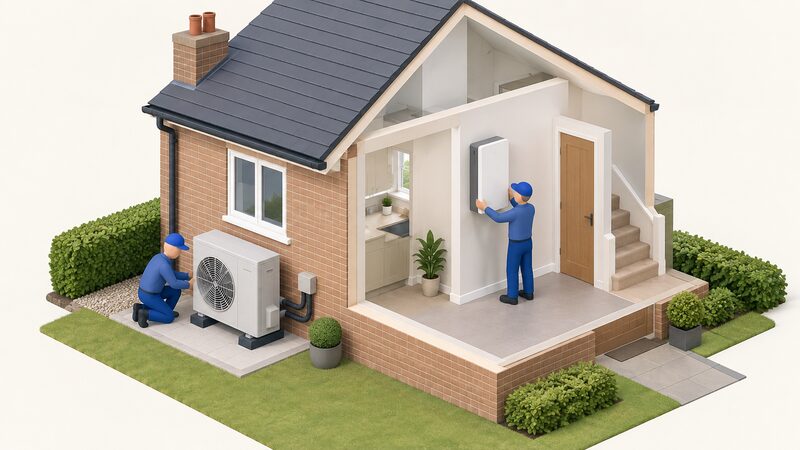
Sources24 cited
- Explanatory Memorandum to the Value Added Tax (Installation of Energy-Saving Materials) Order 2024, legislation.gov.uk, 2024
- VAT Energy Saving Materials: VENSAV2082, HM Revenue & Customs, 2026
- VAT rates on different goods and services, HM Revenue & Customs, 2026
- Extension of VAT energy-saving materials relief, HM Government, 2024
- Explanatory Memorandum to the Value Added Tax (Installation of Energy-Saving Materials) Order 2023, legislation.gov.uk, 2023
- Summary of responses: VAT energy-saving materials relief, HM Government, 2023
- VAT Energy Saving Materials: VENSAV3210, HM Revenue & Customs, 2026
- VAT Energy Saving Materials: VENSAV3037, HM Revenue & Customs, 2026
- VAT Energy Saving Materials: VENSAV2083, HM Revenue & Customs, 2024
- The Value Added Tax (Installation of Energy-Saving Materials) Order 2022: note, legislation.gov.uk, 2022
- The Value Added Tax (Installation of Energy-Saving Materials) Order 2024: made, legislation.gov.uk, 2024
- VAT Energy Saving Materials: VENSAV3190, HM Revenue & Customs, 2022
- VAT Energy Saving Materials: VENSAV3062, HM Revenue & Customs, 2026
- VAT Energy Saving Materials: VENSAV3061, HM Revenue & Customs, 2026
- The Value Added Tax (Installation of Energy-Saving Materials) Order 2024, legislation.gov.uk, 2024
- Budget 2023 summary, National Insulation Association, 2023
- VAT energy-saving materials relief: improving energy efficiency and reducing carbon emissions, HM Government, 2023
- Support to generate your own electricity, nidirect, 2025
- VAT Energy Saving Materials: VENSAV3110, HM Revenue & Customs, 2026
- The Value Added Tax (Installation of Energy-Saving Materials) Order 2023: made, legislation.gov.uk, 2023
- Draft explanatory notes, clause 48, HM Government, 2019
- Clean heat: financing the transition, Energy UK, 2025
- Energy Performance Certificates guide, Uswitch, 2027
- Updated government VAT guidance, National Insulation Association, 2022
 VAT on Energy InstallationsExplains the VAT treatment of energy-saving materials installed in homes, which products and jobs qualify and which are charged at the standard rate.
 Climate TargetsNorthern Ireland has committed to cutting its greenhouse gas emissions to almost nothing by 2050, with a big reduction due by 2030.
 Fixed-Rate Energy TariffsWhat a fixed energy tariff fixes and what it does not, the contract lengths sold in the UK, exit fees and the 49-day window, how fixed rates compare with the price cap, and what happens when the term ends.
 Switch Energy SupplierThe practical sequence of a domestic energy switch: the details and readings needed, the five working day transfer, cooling-off periods, exit fees and the final bill.
 Climate TargetsWales is legally committed to net zero by 2050 under the Environment (Wales) Act 2016, with carbon budgets set in five-year periods.
 Final Bills and Credit RefundsHow final bills and credit refunds work when you leave an energy supplier: the six-week deadline for the final bill, the ten-working-day deadline for refunding credit, the twelve-month back billing limit, and the automatic compensation that applies when suppliers miss these standards.