
In this answer
Short answer
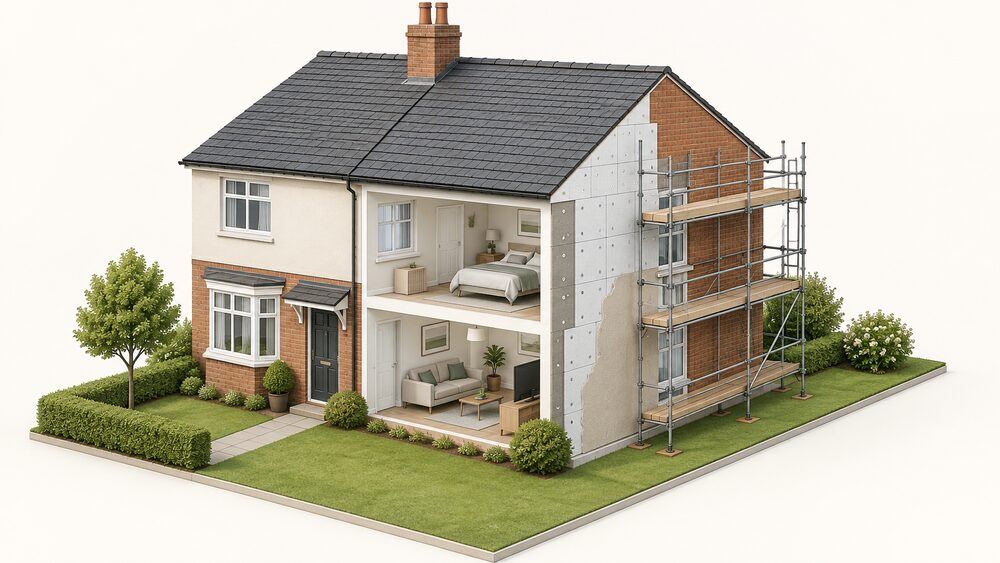
External wall insulation (EWI) is a layer of insulation material fixed to the outside of a building's walls with mechanical fixings and adhesive, then covered with protective layers of render or cladding1. The physical installation is short: around 7 to 10 days for a semi-detached house, using scaffolding so the team can reach the walls2. That figure covers the fitting and finishing of the system itself, not the survey, consent or scheduling that sit around it.
The reason the number matters is that EWI is one of the few fabric measures that suits solid-walled homes, which are found in most UK properties built before 19203. Solid walls lose more heat than cavity walls4, and external insulation does not reduce interior space because it is applied to the outside of the building5. For a household weighing up the work, the installation window is the easy part to plan; the project timeline is what usually stretches.
This page sets out the installation times by property type, what adds days to the schedule, how EWI compares with cavity and internal solid wall work, and why a quote may run to 16 to 18 weeks when the scaffold is only up for a fortnight.
How long external wall insulation takes: the short answer
The installation itself runs around 7 to 10 days for a semi-detached house2. That window covers the scaffold going up, the insulation boards being fixed to the wall, and the protective render or cladding being applied over them. The system is built up in layers rather than installed as a single unit, which is why it takes days rather than hours.
What the 7 to 10 day figure does not include is everything that happens before the first board goes on. A survey and suitability assessment come first, and consent may be needed. External insulation may require planning permission if it impacts the external appearance of the building, though it is likely not required if the materials are of similar appearance to those used in the house's construction7. In Wales, a wall may be suitable to receive external wall insulation if it is of solid construction or has fully filled and insulated cavities8.
Once installed and maintained, external wall insulation can last the lifetime of the building9. That long service life is the counterweight to the disruption: a fortnight of scaffold and a longer run-up, in exchange for a wall finish that is expected to outlast the mortgage. The measure lowers energy consumption and reduces heating costs10, and it helps maintain a consistent internal temperature10.
For a household, the practical point is that the installation is a short, contained event. The planning around it is the part that needs diary space.
Typical timescales by property type and size
The published installation figure is tied to a semi-detached house: around 7 to 10 days2. Size and shape change that. A detached house has more external wall area and more scaffold to erect, so the work runs longer. A terraced house with fewer exposed elevations has less wall to cover and takes less. Cost guidance notes that the average figure of £12,000 depends on the size of the building and the number of walls involved4, and the same variables drive time.
Property age is the other determinant, because it decides whether EWI is the right measure at all. Homes built before the 1920s are more likely to have solid walls and thus be suitable for internal wall insulation3, and external solid walls are found in most UK properties built before 19203. A home with a cavity is a different job entirely.
| Property type | Installation time | Notes |
|---|---|---|
| Semi-detached house | around 7 to 10 days2 | The published benchmark figure |
| Detached house | longer than the benchmark | More wall area and scaffold; cost depends on size and number of walls4 |
| Terraced house | shorter than the benchmark | Fewer exposed elevations to cover |
| Cavity-walled home | about two hours6 | Cavity wall insulation, not EWI |
The savings also scale with the property. A typical three-bedroom semi-detached house using gas heating could save around £398 per year on heating bills by installing external solid wall insulation, and a detached house around £488 per year4. Those are the figures a household weighs against the installation window.
What adds time: preparation, scaffolding and weather
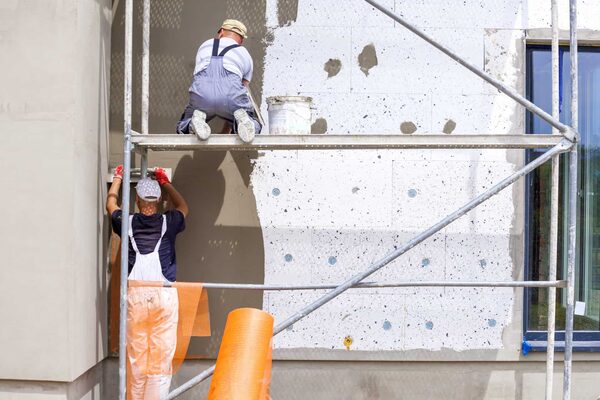
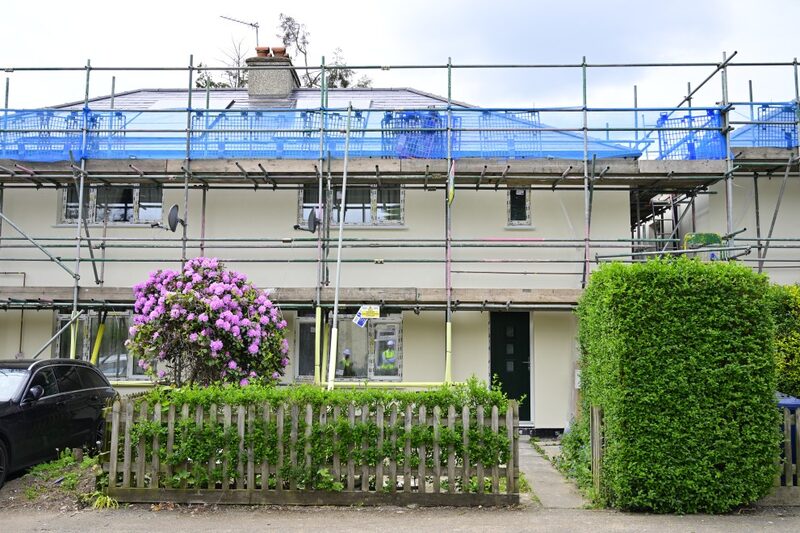
Scaffolding is not an optional extra in the schedule; it is the access route for the whole job. Installing external wall insulation takes around 7 to 10 days, using scaffolding so the installation team can access walls2. The scaffold goes up before the boards and comes down after the render or cladding is finished, so it frames the entire installation period.
Preparation is the variable that most often stretches a job beyond expectation. Successful installation of externally applied insulation can require extensive preparatory works which are not always fully anticipated, along with the need for careful detailing at critical junctions8. In plain terms, the state of the existing wall, the junctions at windows, doors and the roofline, and any repairs needed underneath all take time that a headline figure cannot capture.
Weather is the other factor. Render and adhesive systems are applied to an exposed elevation, and rain, frost and wind can stop work on a scaffolded wall. The insulation layer itself helps maintain a consistent internal temperature once fitted10, but that is a performance benefit, not a weatherproofing of the installation process.
For a household, the practical expectation is that the 7 to 10 day figure assumes a straightforward wall and reasonable weather. A wall needing repair, or a run of wet weeks, extends it.
External wall insulation compared with cavity wall and solid wall internal work
The three routes to insulating a wall differ enormously in time, and the difference follows from how the insulation gets in.
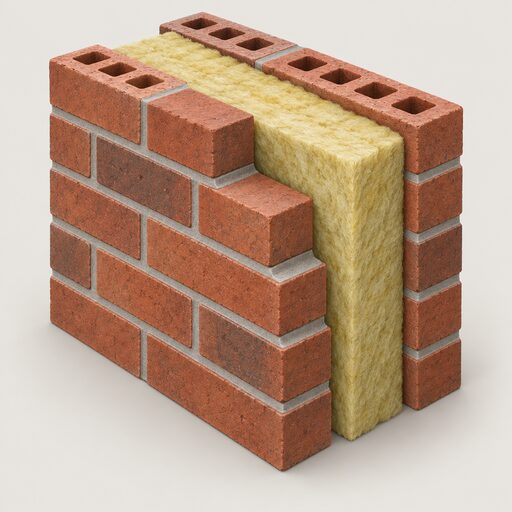
Cavity wall insulation is the fastest by a wide margin. Installing it is a fairly simple process that can take just a couple of hours for a typical three-bedroom house6. The insulation is blown into the cavity from the outside and disruption to the householder is minimal6. For professional installers, the job is simple, quick (about two hours) and makes no mess11. It applies to homes built after the 1920s, whose external walls are made of two skins with a gap of around 50mm between them11.
External wall insulation is a different order of work. It is likely to be more expensive than internal wall insulation because the cost of material and labour are higher4, and it takes days rather than hours because the system is fixed and then finished. Internal solid wall insulation sits between the two: it avoids scaffold but consumes interior space and floor area, which external work does not5.
| Measure | Typical time | Access | Suits |
|---|---|---|---|
| Cavity wall insulation | about two hours6 | Blown in from outside6 | Homes with a cavity, typically post-1920s11 |
| External wall insulation | around 7 to 10 days2 | Scaffolding2 | Solid walls, most pre-1920s homes3 |
| Internal solid wall insulation | Not stated in the same terms | Inside the property | Solid walls; reduces interior space5 |
The energy case for the slower option is that solid walls lose even more heat than cavity walls4. For a solid-walled home, cavity insulation is not available, so the choice is between external and internal work, and the time difference between those two is smaller than the gap to a cavity fill.
From survey to sign-off: the stages that make up the schedule
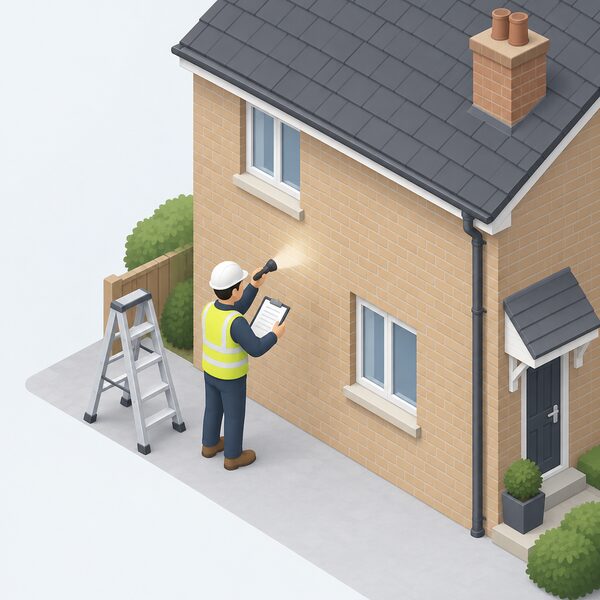
The installation days are one stage in a longer sequence. Understanding the stages explains why a project can run for months while the scaffold is up for a fortnight.
- Survey and suitability assessment. Before the installation, the installing firm will undertake an assessment of your property to confirm that it is suitable for insulation, by a surveyor or the technician12. For EWI, suitability turns on wall construction: a wall may be suitable if it is of solid construction or has fully filled and insulated cavities8.
- Consent, where needed. External insulation may require planning permission if it impacts the external appearance of the building7. In Wales, planning permission and listed building consent are required for external and internal wall insulation in listed buildings or curtilage13. More disruptive work like internal or external insulation will usually need Listed Building Consent14. Internal wall insulation, by contrast, usually does not require planning permission, although both planning and listed building consent may be required in some situations15.
- Grant or scheme paperwork, where applicable. Where a scheme is involved, its own conditions apply. Under the Affordable Warmth Scheme in Northern Ireland, if grant aid is awarded for cavity wall or solid wall insulation the installer employed must be able to provide a minimum 25-year guarantee for the work16. In the private rented sector, a registered exemption lasts 5 years17.
- Installation. Around 7 to 10 days for a semi-detached house, with scaffolding2.
- Sign-off and guarantee. The installer's guarantee and any scheme conditions are confirmed at completion.
The stages that most often add weeks are the consent and scheme steps, because they depend on other bodies rather than the installer's diary.
Why quotes may quote longer: the full project timeline
A quote of 16 to 18 weeks against an installation of 7 to 10 days looks disproportionate until the surrounding timeline is laid out. The installation is the shortest stage; the run-up is where the weeks go.
Some of the delay is administrative and sits with the household or the scheme. Consent applications, listed building consent and grant paperwork all run on their own clocks. Some of it sits with the installer's schedule, which fills up in the season when weather allows external work.
The wider pattern in the sector is that quote and connection processes are not instant. For a new electricity connection of one to four properties, quotes are usually issued within 5 to 15 working days, depending on the complexity of the project18. A service alteration quote is sent within 5 to 15 days19. For larger or non-standard gas connection quotations, the guaranteed standard is to issue the quotation within 21 working days20. These are utility processes rather than insulation ones, but they show the order of magnitude that paperwork adds to any project that touches the outside of a property.
Against that, the payback case for wall insulation is measured in years, not weeks. The gas savings from solid and cavity wall insulation appear to be sustained in the 5 years following installation21. Cavity wall insulation takes only five years or less to make back the cost through the money saved yearly on energy bills22, and measures like loft insulation and cavity wall insulation can pay for themselves in just a few years23. Professionally installed loft insulation will typically take a couple of years to pay for itself through the savings24.
For a household, the sensible reading of a 16 to 18 week quote is that it is a project timeline, not an installation time. The scaffold will be up for around a week and a half; the rest is survey, consent, scheduling and sign-off.
What it means for energy independence
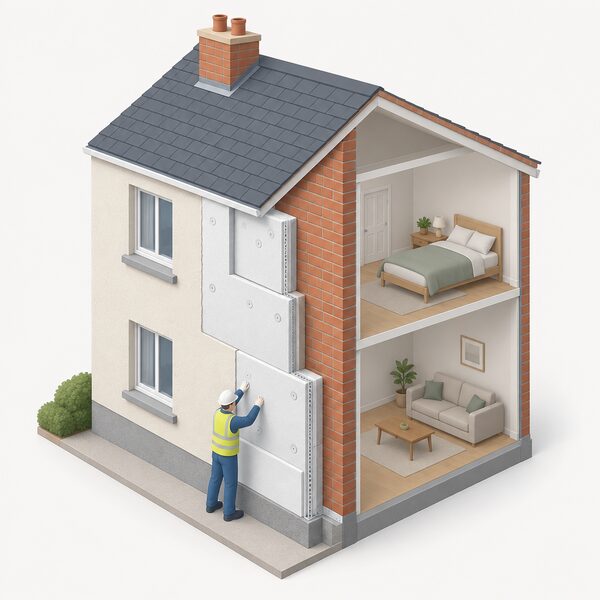
External wall insulation reduces how much heat a home loses through its walls, which lowers energy consumption and reduces heating costs10. For a solid-walled house, that is the main fabric lever available, because the cavity route is closed. The measure does not reduce interior space, since it is applied to the outside of the building5.
What it does not do is remove dependence. The home remains connected to the grid and to a supplier, and the insulation changes how much energy is needed rather than where it comes from. It is a demand-reduction measure, not a generation one. The independence it buys is measured in lower bills and a warmer house for the same input, sustained over years: the gas savings from solid and cavity wall insulation appear to be sustained in the 5 years following installation21.
The dependence that remains is on the installer and the guarantee. A properly installed and maintained system can last the lifetime of the building9, but that durability rests on the quality of the fitting and the detailing at junctions8. The choice of installer, and the guarantee behind the work, is where the long-term value of the installation is decided.
Sources24 cited
- Planning permission: external walls, Welsh Government
- Solid wall insulation costs and savings, Which?
- Wall insulation, AgilityEco
- Solid wall insulation: external, Centre for Sustainable Energy
- External wall insulation FAQs, Unilin Insulation
- Cavity wall insulation, nidirect
- Is permission needed for installing new roof tiles, Planning Portal
- Approved Document L Volume 1 consultation version, Welsh Government
- How long does external wall insulation last, Unilin Insulation
- How does external wall insulation improve energy efficiency, Unilin Insulation
- Cavity wall insulation, Centre for Sustainable Energy
- CWI FAQs, CIGA
- Planning permission: insulation, Welsh Government
- Making alterations to a listed building, Bristol City Council
- Guide to the conversion of traditional buildings, Scottish Government
- Affordable Warmth Scheme, Northern Ireland Housing Executive
- Guidance on PRS exemptions and exemptions register evidence requirements, GOV.UK
- Connect 1-4 new properties, SSEN
- Moving your meter, SSEN
- Guaranteed standards, SGN
- National Energy Efficiency Data-Framework: NEED report summary of analysis 2026, GOV.UK
- Cavity wall insulation, Energy Saving Trust
- Upgrading and replacing your boiler, Centre for Sustainable Energy
- Loft insulation costs and savings, Which?
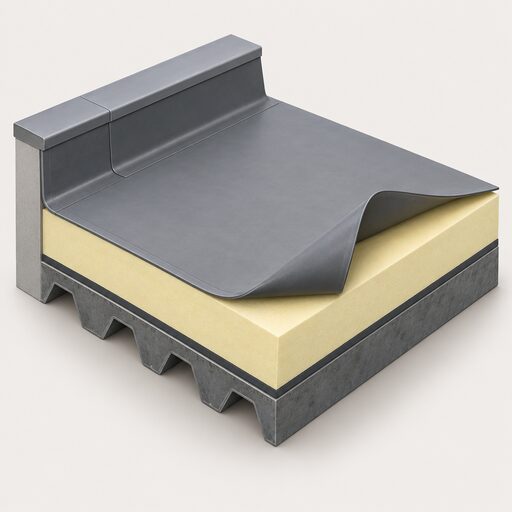 Roof InsulationHow much heat escapes through your roof, how thick the insulation should be, what it costs and what it saves?
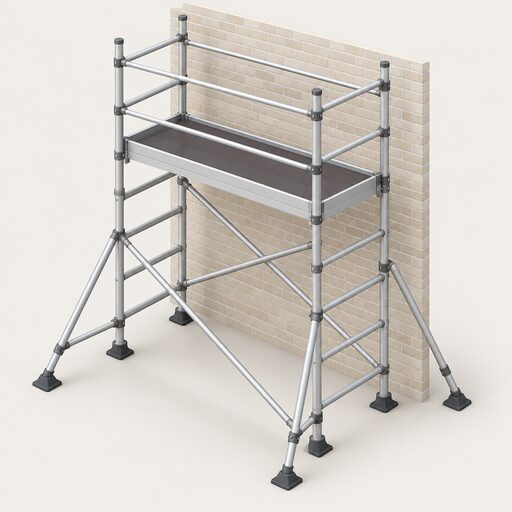 What Happens on Installation DayHow long will installation day take, and will you need to be in?
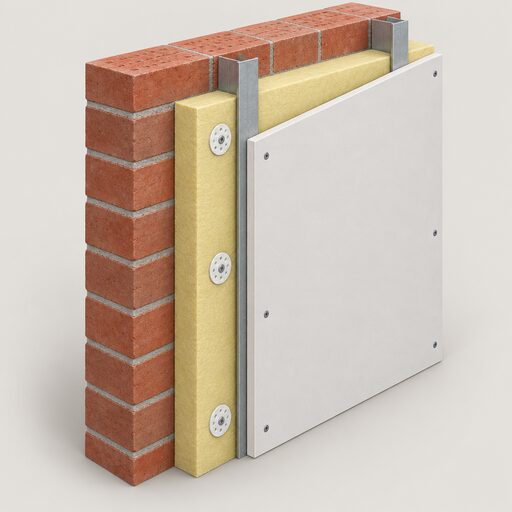 Solid Wall InsulationSolid walls lose far more heat than cavity walls, so what can actually be done about it?
 Cavity Wall InsulationCavity wall insulation could cut your heating bill, but is your home suitable?
 Air Conditioning InstallationHow long does air conditioning installation take, and what happens on the day?
 Floor InsulationHow much warmth escapes through the floor, and is it worth insulating?