
In this answer
Short answer
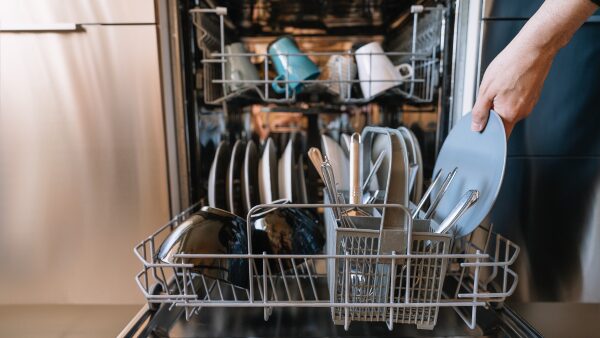
The cheapest time to run a washing machine or dishwasher depends entirely on the tariff the home is on. On a standard electricity tariff the price is the same whatever the time of day or night, so there is no cheaper hour to aim for1. On a time-of-use tariff, prices vary through the day and usually include a cheaper overnight window, and that window is where the saving sits2.
The size of the prize is modest for appliances alone. Washing machines, dishwashers and tumble dryers together account for 14% of a typical energy bill, making them the most energy thirsty group of appliances in the home3. Which? testing from 1 October 2026 puts average annual washing machine running costs at £64, with the cheapest machine tested at £27 a year and the cheapest dishwasher at about £434. A single dishwasher cycle of 0.79 kWh has been costed at 17p on a fixed tariff, and a washing machine cycle of 0.7 kWh at 18p on a standard tariff5.
What follows is what the rules and the evidence say about timing, tariffs and metering, and where the real savings in a household actually sit.
Why the hour you run a washing machine changes what it costs
A washing machine's energy use is dominated by one thing: heating water. About 90% of the energy a washing machine consumes is spent heating the water, which is why lower temperatures use less energy and why the cycle selected matters more than the clock7. A 30°C wash draws a fraction of the power of a hotter wash, and the difference shows up on the bill regardless of when the machine runs.
The hour only enters the calculation when the unit rate itself changes. On a tariff with a cheaper off-peak rate, the same cycle costs less in the cheap window than outside it, because the price per kWh is lower. On a flat tariff, the same cycle costs the same at 2pm and at 2am. That is the whole mechanism, and it explains why the answer to the question is a tariff question rather than an appliance question.
There is a secondary effect worth knowing. Running an extra spin cycle before hanging clothes out to dry removes more water and reduces drying time, though it uses a little more energy in the wash itself3. For a household weighing up a wash cycle against a tumble dryer, that trade is often worth making, because drying is the more energy intensive stage.
Flat-rate tariffs: when the time of day makes no difference
On a standard electricity tariff, the price is the same whatever the time of day or night1. There may be no cheaper washing times at all, and shifting a load to midnight changes nothing on the bill8. This is the position most households in the UK are in, and it is why advice to "run appliances at night" is only meaningful for a minority of homes.
The savings available on a flat tariff come from how the appliance is used, not when. Washing at 30°C or cooler has been put at £12 a year in Great Britain and £15 in Northern Ireland9. Doing one fewer load a week and washing at 30°C has been put at £26 a year in GB and £32 in NI10. Washing clothes at cold water or a 30°C cycle has been put at around £27 per year11. These figures come from different bodies and different dates, so they do not simply add up, but they point the same way: temperature and load frequency, not timing.
A washing machine on a standard variable rate tariff has been costed at £2.84 a month, with around £30 a year available from one fewer wash a week and dropping from 40°C to 30°C12. Turning appliances off standby, including the dishwasher and washing machine, has been put at £45 a year on energy costs13.
Time-of-use tariffs: when cheaper overnight rates apply
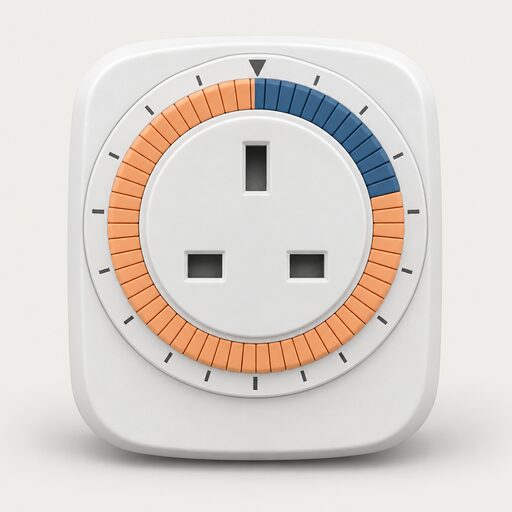
Time-of-use tariffs vary the price through the day and usually include a cheaper overnight charging window2. They offer cheaper electricity during off-peak hours, such as at night, when demand is low14. Energy is typically cheaper at off-peak times, when fewer people are using it, or when there is more renewable generation15. A time-of-use tariff, put simply, is one where electricity is at a cheaper rate for certain hours of the day16.
The two long-established examples are Economy 7 and Economy 10, which give seven or 10 hours of cheaper electricity, mostly overnight17. Economy 7 offers cheaper prices for seven hours during the night, with the cheaper rate usually running between midnight and 7am6. Economy 7 is a static time-of-use tariff: the cheaper hours are the same every day, although they may shift with daylight saving time1. Economy 10 extends the principle to 10 hours, often split between night and afternoon.
Some newer tariffs push the off-peak rate lower still. Octopus Go has been described with off-peak rates as low as £0.07 per kWh from 23:30 to 05:3018. That is a narrower window than Economy 7 but a deeper discount, and it is aimed at households with an electric vehicle that can absorb most of the cheap period.
One source gives seven hours during the night, usually between midnight and 7am6; another gives a window between 22:00 and 08:30. The two are not reconciled, and the practical answer is that the cheap hours vary by region, supplier and meter, so the times on a specific tariff are the ones that matter.
Smart meters and how they make time-of-use billing possible
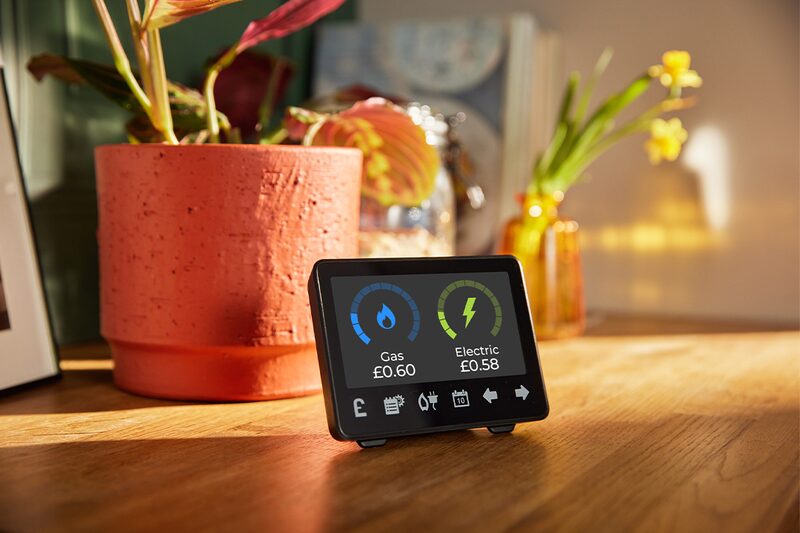
Modern time-of-use tariffs depend on half-hourly metering. Smart time-of-use tariffs use half-hourly smart meter readings to allow companies to charge lower rates when demand is lower and electricity is cheaper19. Smart meters record energy use automatically in half-hour periods, which is what accurate time-based billing rests on20. They also enable time-of-use tariffs, where electricity may be cheaper at certain times of day21.
The practical effect is access. Smart meters give access to time-of-use tariffs, meaning cheaper rates during off-peak hours and incentives for energy usage on high-supply days22. Many energy suppliers offer lower rates during off-peak times, which makes them an attractive option for cost-conscious households23. One customer account describes the change directly: "My smart meter has helped me access cheaper energy rates; now I charge the car and run the washing machine for less."24
Older Economy 7 and Economy 10 arrangements work differently, through a restricted meter and a dedicated off-peak circuit rather than half-hourly data. That is why a household can be on an off-peak tariff without a smart meter, but cannot access the newer half-hourly products without one. For a household weighing up whether the meter is worth having, the tariff access is the substantive benefit rather than the display.
Running appliances cheaply on a fixed-rate tariff
Where the tariff is flat, the savings come from the appliance and the habit. The most reliable levers, in the order the evidence supports them, are temperature, load frequency and standby draw.
- Wash cooler. Washing at 30°C or cooler has been put at £12 a year in GB and £15 in NI9. Cold or 30°C cycles have been put at around £27 per year11.
- Run fewer, fuller loads. One fewer load a week combined with 30°C washing has been put at £26 a year in GB and £32 in NI10.
- Switch off at the socket. Turning the electric oven, microwave, dishwasher and washing machine off standby has been put at £45 a year13.
- Spin before drying. An extra spin removes more water and cuts drying time, at the cost of a little more energy in the wash3.
The range across these figures reflects different methodologies, different dates and different baselines, not disagreement about direction. A household that does all four will not simply add the numbers together, because the baselines overlap.
Where the savings sit: appliances versus heating and standing charges
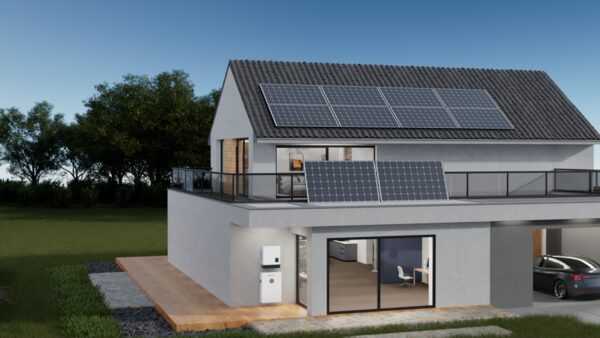
Appliance timing is a small part of a household's energy picture. The larger flexibility prize sits in heating and in whole-home operation. A combination of a heat pump, solar and a battery has been modelled at £810 more per year when operated flexibly on a time-of-use tariff than the same assets run inflexibly on a single-rate tariff25. That is an order of magnitude above anything available from moving a wash cycle.
The standing charge is unaffected by timing. It is a fixed daily amount that applies regardless of when energy is used, so shifting a wash to an off-peak window does not change it. Only the unit rate attached to the hours in question changes. A household with low overall consumption therefore sees a smaller benefit from load shifting than a high-consumption one, because the fixed element is a larger share of its bill.
For a household's energy independence, the picture is mixed. Time-of-use tariffs let a home buy its electricity when it is cheapest and, with solar and a battery, when it is most abundant, which reduces reliance on the grid at peak times and on whatever the wholesale market is doing at 6pm. But the household remains dependent on a supplier, on a meter that reports in half-hour periods, and on the tariff's cheap window continuing to exist. The appliance itself is not independent of anything: it draws from the grid whenever it runs, and the saving comes from the price attached to that hour, not from the machine.
Where the facts differ between nations, they differ in the savings figures rather than the mechanism: Energy Saving Trust gives £12 a year in GB and £15 in NI for cooler washing, and £26 in GB against £32 in NI for the combined habit change9. Tariff structures and off-peak windows are set by suppliers and meters, and the same time-of-use products are not available everywhere in the UK.
Sources25 cited
- Should I switch to a time of use tariff, Energy Saving Trust, 2026-01-23
- EV tariffs and home charging: what consumers need to know, Energy Ombudsman, 2026-09-11
- Top five energy consuming home appliances, Energy Saving Trust, 2026-08-03
- How much your appliances cost to run, Which?, 2026-10-01
- The price cap: why every time you turn on this one household appliance will cost you 10p more than your neighbour, Uswitch, 2026-04-22
- What is Economy 7, Energy Helpline, 2026-09-20
- Economy 10, Uswitch, 2025-12-08
- Washing machine energy saving tips, Smart Energy GB, 2026-08-17
- Christmas energy saving tips, Energy Saving Trust, 2026-05-20
- Top five tips to save energy in the kitchen, Energy Saving Trust, 2026-05-20
- Free energy saving tips, Uswitch, 2025-10-14
- Appliances: how much do yours cost to run, Confused.com, 2025-12-18
- Save energy costs in the kitchen, Consumer Council, 2026
- What is consumer-led flexibility and what it means for your home and business, Low Carbon Hub, 2025-10-17
- How to use a smart meter to save money, Smart Energy GB, 2026-04-24
- Government payments, discounts and heating bills, Scope, 2026-09-01
- How to switch energy supplier, Which?, 2026-05-15
- Electric car charging guide, Carwow, 2025-07-16
- Gas meters and electricity meters: what you need to know, Which?, 2026-01-16
- Storage heaters, Which?, 2026-06-01
- What is hydropower and how does it work, Smart Energy GB, 2026-08-19
- Smart meters, Welsh Government, 2026
- How do smart meters reduce my bills, Smart DCC, 2025
- Benefits of smart meters, Smart Energy GB, 2026-03-16
- Clean heat: supporting low-income households, Energy UK, 2026-06-11
 Time-of-Use Tariffs ExplainedCan you pay less for electricity by using it at different times of day?
 Controls and Time-of-Use TariffsCheaper electricity at night only saves money if your heating actually uses it then.
 Meters and Time-of-Use TariffsDo you need a smart meter for a time-of-use tariff, and does it have to send readings every half an hour?
 Heat Pump Electricity TariffsA heat pump tariff gives you cheaper electricity for part of the day, so running your heating costs less than on a standard rate.
 Free Electricity and RewardsCovers tariffs and offers that give free or half-price electricity in set windows, including recurring weekly free hours, weekend offers and savings challenges.
 Economy 7 TariffsEconomy 7 gives you seven hours of cheaper electricity at night, but the exact hours depend on where you live and who supplies you.