
In this answer
Short answer
Most hydropower systems last 40 to 50 years, and longer if they are well maintained. That is the figure given by the Energy Saving Trust, which also notes that running and maintenance costs are low1. Home Energy Scotland puts it the same way: once installed, most hydroelectricity systems last 40 to 50 years or longer if well maintained2. A third source describes domestic hydropower as almost maintenance free, with a system life expectancy of up to 50 years3.
That is a long life by the standards of most home energy equipment. It is also the reason the technology is worth considering at all: a scheme that runs for four or five decades, with low running costs across that period, spreads its capital cost over a very long service window. The catch is that the lifespan is a design expectation, not a guarantee, and it depends on the water supply as much as on the machinery.
Lifespan: 40 to 50 years, and longer with good maintenance
The headline figure is consistent across the guidance. The Energy Saving Trust states that most hydropower systems can last for 40 to 50 years, with low running and maintenance costs1. Home Energy Scotland gives the same 40 to 50 year band and adds the qualifier that matters: or longer if well maintained2. A consumer-facing guide describes domestic hydropower as almost maintenance free, with a system life expectancy of up to 50 years3.
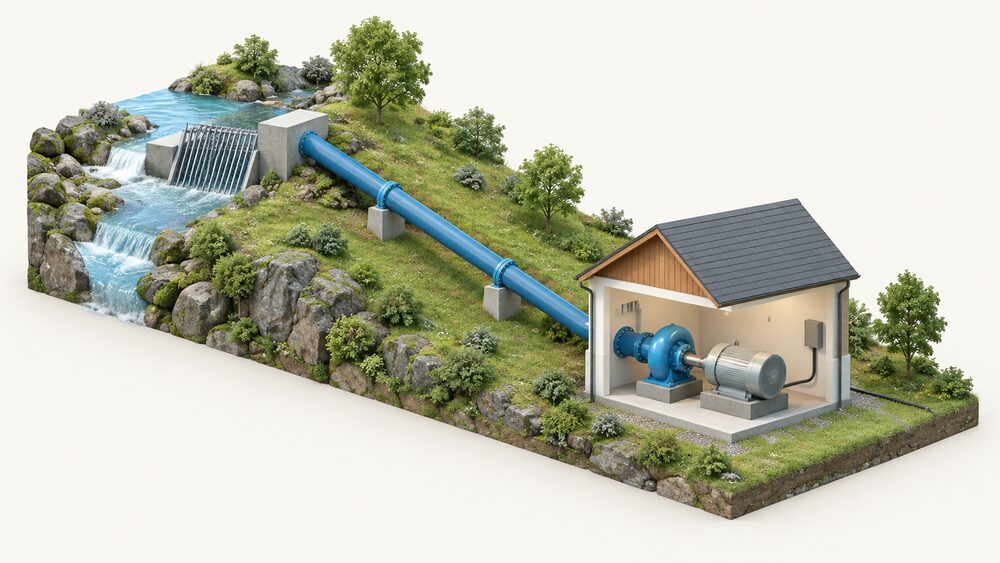
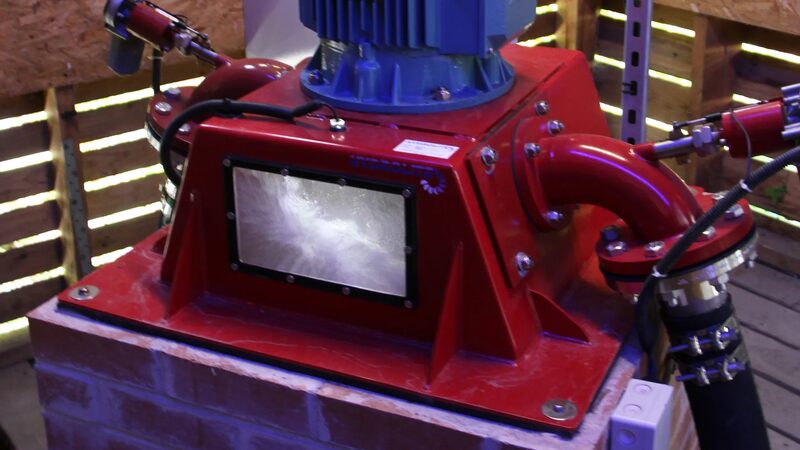
The qualifier is doing real work in those sentences. A 40 to 50 year life is what the equipment is capable of, not what every installation achieves. The difference between a scheme that reaches 50 years and one that does not is largely maintenance, and maintenance on a hydro scheme is not the same as maintenance on a boiler or a heat pump. It involves the intake, the screen, the penstock, the turbine, the generator and the electrical connection, and some of that work is only possible when the water is low.
For context, the same guidance bodies give much shorter lives for other wet heating technologies. Ground source and water source heat pumps can last around 20 years with regular, scheduled maintenance and proper care6. Heat pumps generally are given as 20+ years7. A system boiler, suited to larger households, can last 10 to 15 years8. Hot water cylinders typically last between 10 and 20 years, with 40 to 50 years possible under optimal conditions but rare9. Hydro sits at the top of that range, and the reason is that most of a hydro scheme is civil engineering: concrete, pipework and a watercourse, not a combustion or refrigeration cycle.
What maintenance keeps a hydro system running for its full life
Hydro guidance establishes that the equipment is reliable and that running and maintenance costs stay low4, but it does not list service intervals. The practical picture comes from comparable wet systems. Routine checks of TMVs, insulation, and pressure relief mechanisms are essential for ongoing safety10. MVHR systems require regular maintenance, including filter replacement, cleaning of ducts, and regular servicing11, and maintaining one means regularly cleaning and replacing filters, checking the heat exchanger for any build-up or damage, and ensuring the system is running smoothly and efficiently12. Water underfloor heating needs an occasional pressure check to ensure the system is not exceeding its recommended levels13; the pipes and embedded elements are maintenance free, but the pump, actuators and actuator valves on the manifold will wear in due course14.
Comparable guidance for other water-based home systems points to the kinds of checks that matter. Routine checks of thermostatic mixing valves, insulation and pressure relief mechanisms are described as essential for ongoing safety in hot water systems10. Water underfloor heating needs an occasional pressure check to ensure the system is not exceeding its recommended levels13. Mechanical ventilation with heat recovery needs filter replacement, cleaning of ducts and regular servicing11, and more specifically regular cleaning and replacement of filters, checking the heat exchanger for build-up or damage, and ensuring the system runs smoothly and efficiently12.
"the water supply and drainage system serving the HMO is maintained in good, clean and working condition"
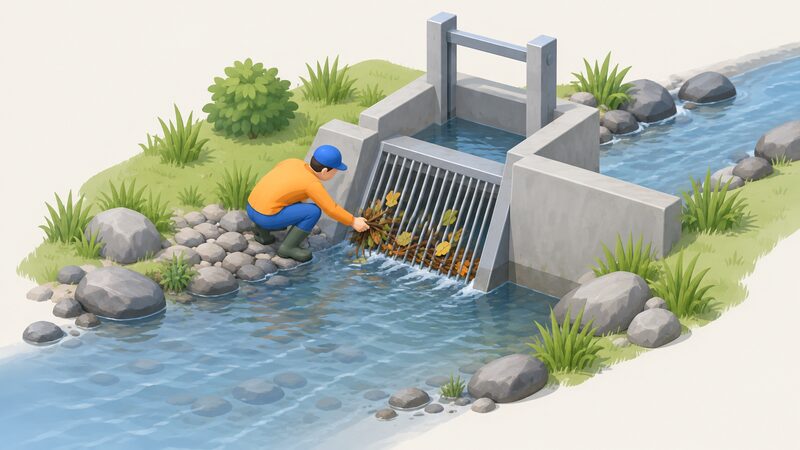
That regulation is about houses in multiple occupation, not hydro, but it illustrates the principle that applies to any wet system in a building: the water side has to be kept clean and working. For a hydro scheme, the equivalent is the intake and screen, where debris collects, and the penstock, where sediment and air can cause problems.
Running and maintenance costs: why they stay low over decades
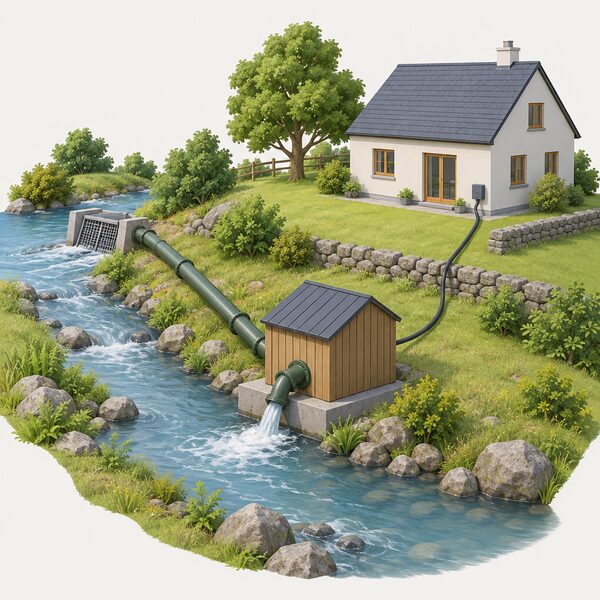
The cost case for hydro rests on the same fact as the lifespan case: the equipment is reliable. Maintenance costs vary but are usually low, because hydro systems are very reliable4. Home Energy Scotland states plainly that running and maintenance costs are low2. A consumer guide describes the technology as almost maintenance free3.
That matters more over 40 to 50 years than it would over 10. A technology with a short life and low annual costs still has to be replaced several times; a technology with a long life and low annual costs is paid for once. The comparison with other low-carbon options is instructive. Solar water heating systems have generally very low maintenance costs16, and most come with a five-year or ten-year warranty16. Heat pump payback periods could be as little as four years with a good tariff, government grants and deducting the cost of a replacement boiler17. Draughtproofing is likely to pay for itself in a few years18. Those are shorter-horizon calculations than a hydro scheme, which is a long-term asset.
The one figure that governs the economics more than any other is not the maintenance cost but the running hours. Savings depend on the number of hours the turbine is able to run in a year, which in turn depends on how often the water levels are high enough to supply the system4. A scheme on a reliable watercourse with good head can run for most of the year; a scheme on a spate stream may run only in wet periods. The 40 to 50 year life is the same in both cases, but the value delivered across that life is not.
What determines whether a system reaches 50 years or more
Three things decide whether a scheme reaches the top of the range or the bottom.
The first is the water resource. A hydro system can operate 24 hours a day, often generating all the electricity a property needs1, but that depends on the water being there. The number of hours the turbine can run in a year, and therefore the savings, depends on how often water levels are high enough to supply the system4. A scheme that is starved of flow for part of the year is not failing, but it is not earning either.
The second is maintenance quality. The guidance is explicit that the longer life is conditional: 40 to 50 years or longer if well maintained2. That is a statement about the owner's behaviour as much as the equipment's quality.
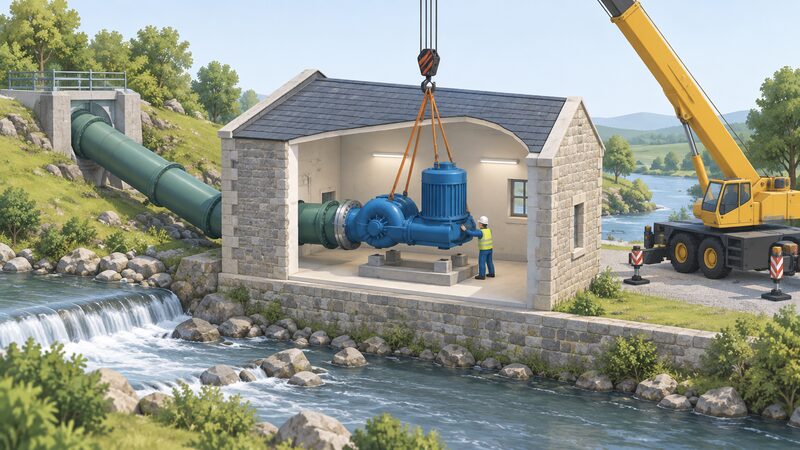
The third is the equipment itself. Most parts of a generating unit, such as a wind farm, hydro station or solar site, have a life span of 20 to 40 years, after which they may need refurbishment or replacement5. So even a scheme that reaches 50 years will likely see its turbine or control gear refurbished once. That is a planned cost, not a failure, and it is the reason the civil works matter: if the intake, penstock and powerhouse are sound, replacing the generating equipment is a contained job.
Do turbines need replacing during the system's life?
On the evidence, yes, at least once in a long-lived scheme. Most parts of a generating unit, such as a wind farm, hydro station or solar site, have a life span of 20 to 40 years, after which they may need refurbishment or replacement5. That is the general figure for generating equipment across technologies, and it sits inside the 40 to 50 year hydro scheme life rather than matching it.
The pattern is familiar from other technologies where the civil or ground element outlasts the machinery. Ground arrays for ground source heat pumps have life expectancies of over 50 years, even though the high cost applies to the first installation19. The ground loop element of a ground source system should operate for 20 years or more, while the system itself usually comes with warranties of two or three years20. Most heat pump systems come with a two to three-year warranty17. Waste water heat recovery systems for showers are described as having a life expectancy of over 50 years21.
For hydro, the practical reading is that the parts in contact with water and moving at speed, plus the electrical and control equipment, are the items with a 20 to 40 year horizon, while the intake, penstock and powerhouse can serve the full 40 to 50 years or more. A scheme owner can expect one significant refurbishment within the life of the scheme, and can plan for it rather than treat it as a surprise.
How does the lifespan of hydropower compare with solar panels?
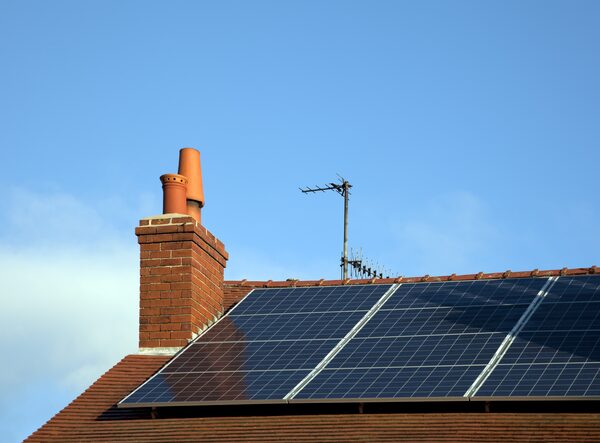
Hydropower is the longer-lived technology on the published figures, though the solar figures vary enough that the comparison should be made carefully.
| Technology | Published lifespan | Source |
|---|---|---|
| Hydropower | 40 to 50 years, or longer if well maintained | Energy Saving Trust, Home Energy Scotland1 |
| Hydropower | up to 50 years | consumer guide3 |
| Solar panels | around 30 years | Energy Saving Trust22 |
| Solar panels | 30 years or more | Home Energy Scotland23 |
| Solar panels | about 25 years before significant degradation | Uswitch24 |
| Solar panels | 25 to 30 years | Low Carbon Hub25 |
| Solar panel system | 25 years | Energy Saving Trust26 |
The solar figures disagree with each other, and the documents do not resolve the conflict. Energy Saving Trust gives both 25 years for a solar system26 and around 30 years for panels22; Home Energy Scotland says 30 years or more23; Uswitch says about 25 years before significant degradation24; Low Carbon Hub says most last 25 to 30 years25. The honest reading is that solar panels are expected to last somewhere in the mid-twenties to thirty years, and that hydro's 40 to 50 years is a longer horizon by a clear margin.
That difference has a practical consequence for a household weighing the two. A hydro scheme that reaches 50 years delivers roughly twice the service life of a solar array at the middle of its range, though it also carries a higher capital cost and a site-specific resource risk that solar does not. The two are not substitutes: hydro needs a watercourse with adequate head and flow, and most homes do not have one.
Where a hydro scheme's life is limited by something other than the equipment
Two constraints sit outside the equipment's lifespan and can end a scheme's useful life earlier.
The first is the water resource itself, which is a matter of site rather than machinery. Savings depend on the number of hours the turbine is able to run in a year, which in turn depends on how often the water levels are high enough to supply the system4. A dry year, a changed abstraction regime or a modified watercourse can reduce output without shortening the equipment's life.
The second is the support framework. Preliminary accreditation for hydro under the Feed-in Tariff ran for two years27, and the tariff period for solar PV, wind, hydro and anaerobic digestion installations is a repeating three-month period28. Those are administrative facts rather than lifespan facts, but they matter to a scheme that is still receiving support: the accreditation terms and the tariff period define what the owner must maintain and report, and they can outlast the equipment.
What happens at the end of a hydro system's life
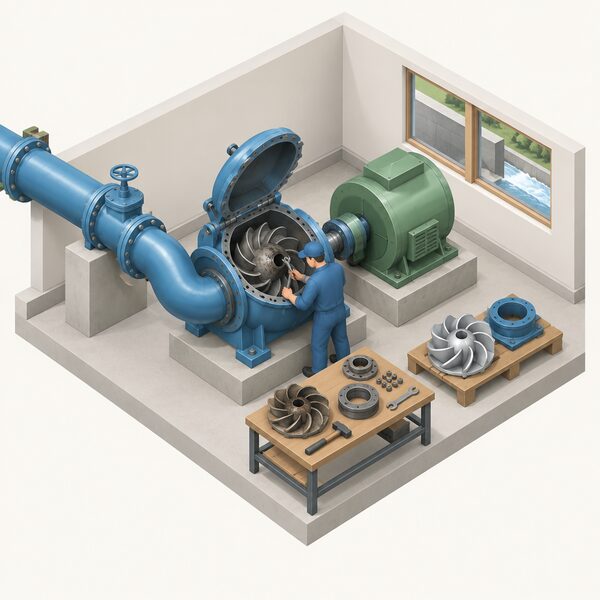
Decommissioning of a domestic hydro scheme is not described in the guidance, so the end-of-life picture comes from the refurbishment evidence. Generating equipment is refurbished or replaced at the end of its 20 to 40 year life rather than the site being abandoned5. For a scheme with sound civil works, that means the end of the equipment's life is a maintenance event, not the end of the scheme.
The wider context is that long-lived home energy equipment is generally replaced rather than removed. Hot water cylinders typically last between 10 and 20 years, with 40 to 50 years possible under optimal conditions but rare9. Heating systems have an average lifetime of 15 to 20 years29. In each case the replacement is a planned intervention. For hydro, the civil engineering is the part that justifies the investment, and the machinery is the part that gets renewed.
For a household, the lifespan question resolves into a simple statement of what the technology does and does not provide. A hydro scheme with a good water resource can generate around the clock for 40 to 50 years, with low running costs, and can carry a property a long way towards electrical independence. What it does not remove is the grid connection, the need for a competent installer and an abstraction licence, and the dependence on a watercourse that the household does not control. The lifespan is long; the conditions are specific.
Sources29 cited
- Hydroelectricity, Energy Saving Trust, 2025-11-06
- Hydroelectricity, Home Energy Scotland, 2026-09-20
- Hydropower for the home, Uswitch, 2026-01-06
- Hydro, Electricity North West, 2026-09-19
- Generation connections, SSEN, 2026-09-19
- Ground and water source heat pumps, MCS Certified, 2026-06-09
- Heat pumps vs boilers, The CPA, 2025-02-18
- How long does a boiler last?, Uswitch, 2024-11-13
- How long do hot water cylinders last?, Newark Cylinders, 2026-07-13
- Understanding Part G, Rinnai UK, 2025-08-21
- Choose the right MVHR system, Nilan UK, 2024-09-24
- MVHR systems, Nilan UK, 2024-05-16
- Water underfloor heating maintenance, Warmup, 2025-02-17
- Which underfloor heating system is best for me, Warmup, 2025-02-17
- The Housing (Management of Houses in Multiple Occupation) (England) Regulations 2006, legislation.gov.uk, 2006-02-15
- Solar heating, MCS Certified, 2026-08-17
- Heat pumps, Home Energy Scotland, 2026-09-20
- Draught-proofing, Which?, 2026-05-08
- Ground source heat pumps: individual, Nesta, 2025-02-03
- Ground source heat pump costs and savings, Which?, 2026-05-08
- Waste water heat recovery system for showers, UKGBC, 2024-05-15
- Solar panel cleaning and maintenance, Energy Saving Trust, 2026-08-25
- Solar panels, Home Energy Scotland, 2026-09-20
- How long do solar panels last?, Uswitch, 2026-07-13
- Mythbusting our most frequently asked questions, Low Carbon Hub, 2025-12-10
- Solar power facts, Energy Saving Trust, 2026-08-13
- Guidance for suppliers, Ofgem, 2021-08
- Key terms explained: Feed-in Tariffs, Ofgem, 2026-09-17
- Heating systems average lifetime, Solar Heat Europe, 2026-09-17
 Cycle Life and DegradationHow long will a home battery actually last, and what decides that?
 Micro Hydro InstallationHow much water do you need, and how far does it have to fall, for a micro hydro system to be worth it?
 Micro Hydro Power for HomesA stream on your land that flows all year can make steady electricity, day and night, even when there is no sun or wind.
 Manufacturer WarrantiesHow long does a boiler, heat pump or solar panel warranty actually last, and what do you have to do to keep it valid?
 Micro Hydro CostHow much does a micro hydro scheme cost to build and run, and what makes one worth it?
 Maintaining Backup PowerWill your generator actually start when the power goes off?