
In this guide
Eaton's xStorage Home is a residential battery system that pairs new or second-life Nissan LEAF battery modules with an Eaton hybrid inverter, sold as single-phase units and, in the xStorage Home 3P, as a battery-ready three-phase hybrid inverter combined with third-party battery storage1. It was designed to raise self-consumption of rooftop solar and to store cheap off-peak electricity, and it can keep preferential loads such as lights and security systems running when the grid fails1.
Two facts dominate any decision about it now. Eaton's own product page carries the status "To be discontinued" for the xStorage Home, and the xStorage Home 3P is likewise marked "To be discontinued"1. Separately, Eaton shut down the xStorage Home cloud platform on 1 September 2025, stating that it no longer met the company's technological standards, leaving local mode monitoring as the alternative3.
That combination means the range is best understood as an installed base and a run-out product rather than a current purchase. The hardware still works, and the warranty terms attached to individual models still stand, but the remote services that once came with it have ended and the line is not being continued.
What the xStorage Home range is: models and where it fits
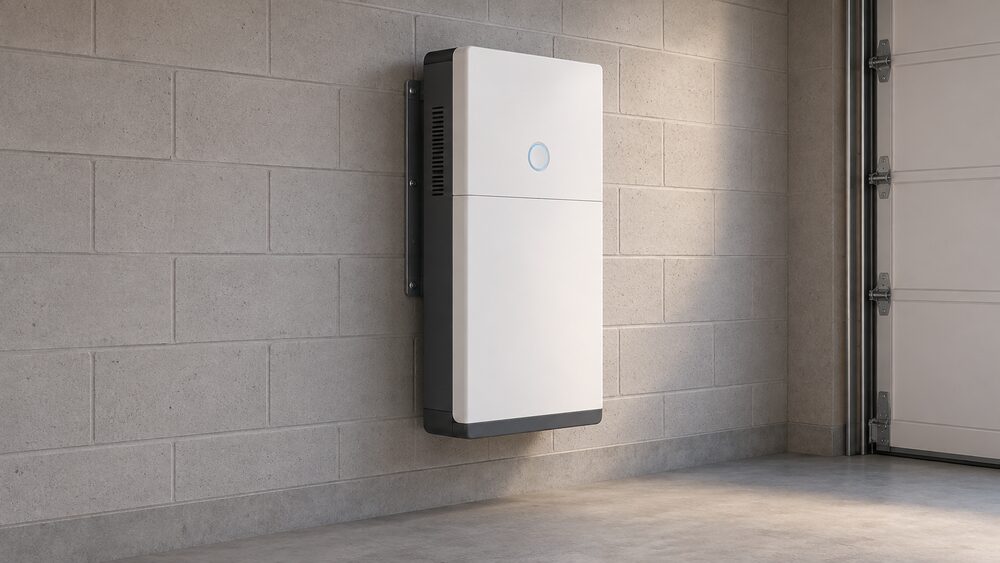
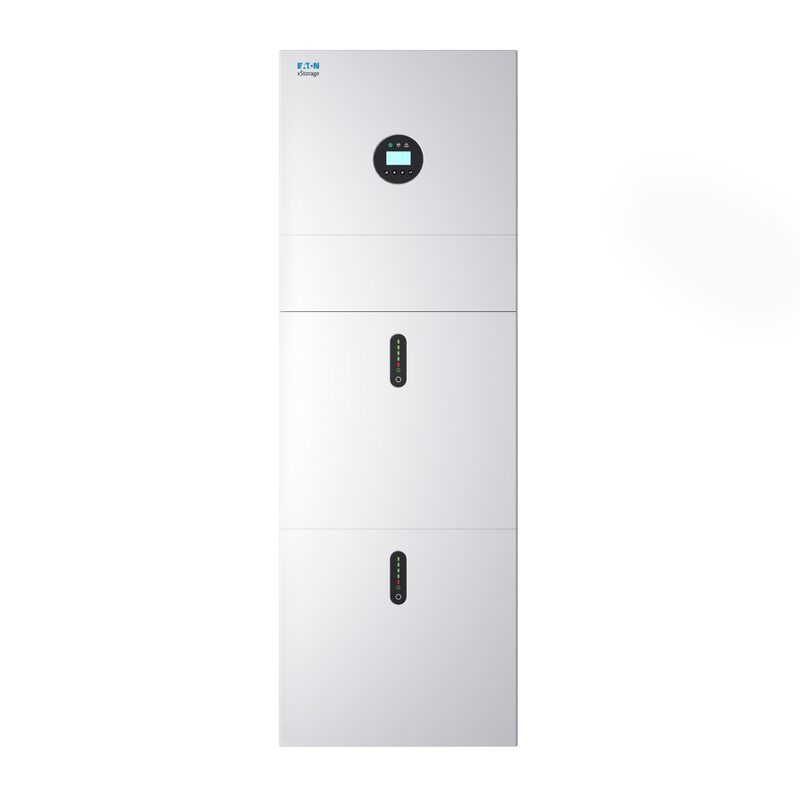
The xStorage Home is an integrated energy storage unit in a single enclosure, combining a hybrid inverter with battery modules so that solar panels connect directly to storage in one box, which Eaton says simplifies installation and saves space and money5. It is a residential product, intended to optimise self-consumption of solar generation and to store off-peak electricity2.
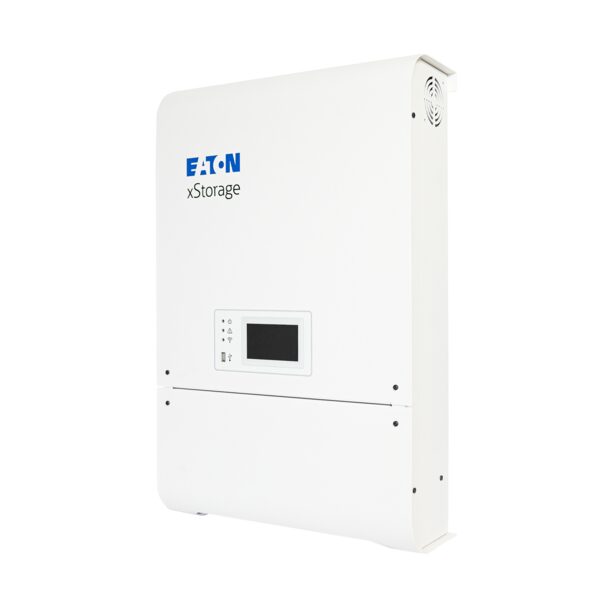
Eaton's case study material describes the xStorage Home units used in a Norwegian deployment by Lyse as made up of new and second-life Nissan LEAF batteries, at 6 kWh and 4.2 kWh7. The unit is described as an integrated energy storage unit in a single box, so the battery, inverter and control electronics arrive as one product rather than as separately specified parts5. Alongside it Eaton lists the three-phase xStorage Home 3P, which is specified around a battery voltage range of 170 V to 500 V and so is designed to work with a battery rather than to contain a fixed one8.
Mounting is flexible: wall-mount and floor-mount options are both listed1. The 3P uses a wall bracket and its installation environmental category is indoor, unconditioned, meaning a room that is not heated or cooled to a controlled temperature8. Eaton positions the wider xStorage line as available for households, commercial buildings and larger energy networks and data centres, so the Home sits at the domestic end of a much broader portfolio7.
For a household, the significance is that this is a DC-coupled, all-in-one architecture rather than a separate battery and inverter. That is the same pattern as other all-in-one battery systems, and it means the inverter and battery are replaced together at end of life rather than independently.
The xStorage Home in the home: backup, self-consumption and EV integration
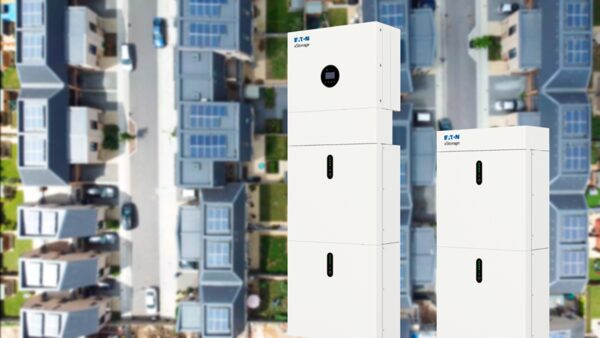
In normal operation the xStorage Home does two jobs. It stores surplus solar generation for evening use, and it charges from the grid during low-demand periods so that electricity can be drawn back at peak times2. Eaton's peak-shaving mode covers excess consumption automatically, charging either from solar during the day or from the grid when demand is low1.
Backup is partial rather than whole-home. Eaton states that the xStorage Home provides households with energy if the grid fails, powering preferential devices such as lights and security systems1. That is a dedicated backup circuit, not a supply to the whole installation, and it is the same distinction that applies across the market, covered in more detail under battery backup power and EPS.
EV integration is a stated capability. Eaton says the xStorage Home unit can be set up to work with a home electric vehicle charger, using surplus battery electricity to support EV charging6. A Norwegian case study shows the pattern in practice: three Eaton xStorage Home systems, eight EV chargers and rooftop solar on one site7. Eaton has also run a 100-home pilot in this area and says it is collaborating on a project to make vehicle-to-grid and vehicle-to-home more of a reality9.
The limits are worth stating plainly. There is no off-grid mode documented for the xStorage Home. Eaton's own guidance on continuing to power essential loads during a daytime outage refers to the xStorage Hybrid, not the Home4. The Home keeps a household on the grid and on a supplier, with an added dependence on a home broadband connection for anything remote. Independent guidance on battery storage notes that a typical battery lasts about 10 to 12 years, which is the horizon over which those dependencies run10.
Specifications: capacity, power and efficiency at a glance
The published specification for the xStorage Home is thinner than for Eaton's commercial products, and where figures exist they sometimes conflict. The table below sets out what Eaton publishes for each model, naming the exact unit.
| Model | Type | Warranty | Source |
|---|---|---|---|
| xStorage Home single phase, 4.2 kWh battery | Single-phase all-in-one unit | 5 years | 1 |
| xStorage Home single phase, 10 kWh battery | Single-phase all-in-one unit | 10 years | 1 |
| xStorage Home (Lyse deployment) | New and second-life Nissan LEAF batteries, 6 kWh and 4.2 kWh | Not stated | 7 |
| xStorage Home 3P | Three-phase, battery voltage range 170 V to 500 V, maximum efficiency 97.6% | 5 years | 8 |
The 3P publishes a maximum efficiency of 97.6% and a battery typical efficiency of 96%, with a battery voltage range of 170 V to 500 V, and its installation environmental category is indoor, unconditioned8. The gap between those two figures is the reason a stated inverter efficiency alone does not describe a round trip: energy is lost on the way into the battery and again on the way out. Eaton's separate xStorage Hybrid product, a modular system for residential and light commercial buildings, is quoted at up to 97.6% efficiency5.
Two specification points are unresolved. Eaton datasheets give the xStorage Home as either 515 mm x 730 mm x 182 mm or 442 mm x 781 mm x 175 mm, height by width by depth, and as either 40 kg or 68 kg. For context on how capacity figures are usually read, see battery capacity and usable capacity.
Operating modes: from auto-consumption to frequency regulation
Eaton states that the xStorage Home has four intelligent operating modes1. The documented behaviour includes auto-consumption, in which solar generation serves the house first and surplus charges the battery, and peak-shaving, in which the system covers excess consumption automatically from stored energy, charged either from solar during the day or from the grid at times of low demand1.
The xStorage Home 3P adds a peak-shaving mode that Eaton says allows storing energy and using it at peak time to reduce overall electricity costs at all homes8. For a household on a tariff that varies by time of day, this is the mode that turns stored energy into a bill saving rather than simply into self-consumption, and it depends on the system knowing when peak periods fall. Remote access and remote management functions of this kind are the ones affected by the cloud shutdown described below.
Frequency regulation and the wider set of grid applications belong to Eaton's commercial products rather than the Home. The xStorage Compact, an all-in-one single-rack system for small and medium commercial and industrial sites, supports seamless backup power, peak shaving, energy storage, load shifting and frequency regulation, plus EV charging infrastructure integration4. It is a different class of equipment, and the distinction matters when reading Eaton's marketing for the xStorage name as a whole.
For a household, the practical point is that the Home's modes are self-consumption and peak-shaving, both of which reduce import from a supplier rather than removing the need for one. Stacking those modes with a time-of-use tariff is where most of the value sits, and the mechanics are set out under batteries and smart tariffs.
Warranty: 5 or 10 years depending on the model
The warranty on an xStorage Home depends on which battery capacity the unit was supplied with, not on a single range-wide term. Eaton's product page lists 5 years for the single-phase models supplied with the 4.2 kWh battery, and 10 years for those supplied with the 10 kWh battery1. The xStorage Home 3P carries a 5 year warranty8.
Independent guidance puts this in context. Which? reports that battery systems often come with a 10-year warranty, and lists the Nissan xStorage at 4.2 kWh and 6 kWh with a 5 to 10 year term, which matches Eaton's own split11. The Low Carbon Hub notes that it is standard for inverters to have warranties of 10 years, so an all-in-one unit whose inverter and battery share a single term may be covered for less than a separate inverter would be12.
Warranty terms of this kind are usually conditional on registration and on the system being installed and maintained to the maker's specification. The general mechanics of retained capacity, throughput limits and conditions are covered under home battery warranties.
The cloud backend shutdown and what it means for owners
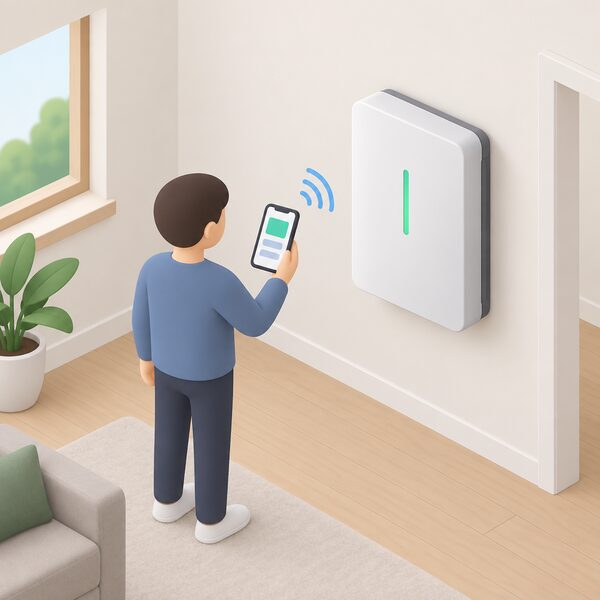
Eaton shut down the xStorage Home cloud platform on 1 September 2025, stating that the platform no longer met the company's technological standards3. Local mode monitoring is the alternative Eaton offers3. This is the single most consequential change for existing owners, because it removes the remote layer that the product was sold with.
The shutdown procedure has a specific requirement. Before switching to local mode, Eaton states that the Lock Cloud unit update option must be disabled3. Owners who skip that step may find the unit will not accept the change, and Eaton directs anyone whose old access method no longer works after updating the unit to bgtechsupport@eaton.com3.
What ends with the platform is remote monitoring, remote firmware updates and remote battery management. Eaton had promoted remote firmware updates and remote battery management as features of the xStorage Hybrid, and said firmware updates and battery management could be handled remotely5. Functions of that kind depend on a manufacturer's backend remaining in service, so when the backend closes they close with it, whatever the hardware on the wall is still capable of doing locally.
This is a dependence that outlives the hardware. A cloud-connected battery ties part of its function to a manufacturer's servers and app, and when those are withdrawn the household keeps the battery but loses the services. The same pattern appears elsewhere in the market: tado° stores offline schedules on the device, while Google Nest's offline schedule execution is cloud-dependent14. Local control at the unit, and any wired monitoring, continues regardless. The wider question of what a household retains when an app is withdrawn is covered under battery monitoring and apps.
Eaton the company: scale, partnerships and UK availability
Eaton is a long-established electrical equipment manufacturer rather than a battery startup. The company states it was founded in 1911, has been listed on the NYSE for nearly a century, and has customers in more than 170 countries4. It describes itself as a leader in both electrical energy for buildings and power electronics, with over 100 years of experience2.
That scale is the main argument for buying into the range, and it is also why the cloud shutdown is notable: a company of this size withdrew a consumer platform rather than maintaining it. Eaton's residential work extends beyond the xStorage Home. It announced the AbleEdge home energy management system in September 2024, with smart breakers, a microgrid interconnect device and smart panels for retrofit and new construction homes, and demonstrated it at RE+ 24 in Anaheim that month. It has partnerships with Virtual Peaker and Sunverge, smart home platform providers including Samsung SmartThings and Alarm.com, and distributed energy resource system providers including LG Electronics9.
On UK availability, the picture is mixed. Eaton's GB site promotes the xStorage Home to UK customers and installers, and a UK service and project business manager, Steve Spicer, is quoted on the residential page2. But the product page status is "To be discontinued" for the xStorage Home1. Eaton's xStorage line more broadly is described as available for households, commercial buildings and larger energy networks and data centres, and Eaton describes itself as a 100 year power management company7.
Support runs through Eaton directly. The published technical support number is 01753608925, option 3 then option 2, with a general line on +44 (0) 1753 608 700, option 3 then option 61. For cloud and local mode issues, Eaton directs owners to bgtechsupport@eaton.com3. There is no evidence in Eaton's own material of a UK-wide third-party service network for this product, so support depends on the manufacturer remaining in the market.
xStorage Home versus xStorage Compact: which is which
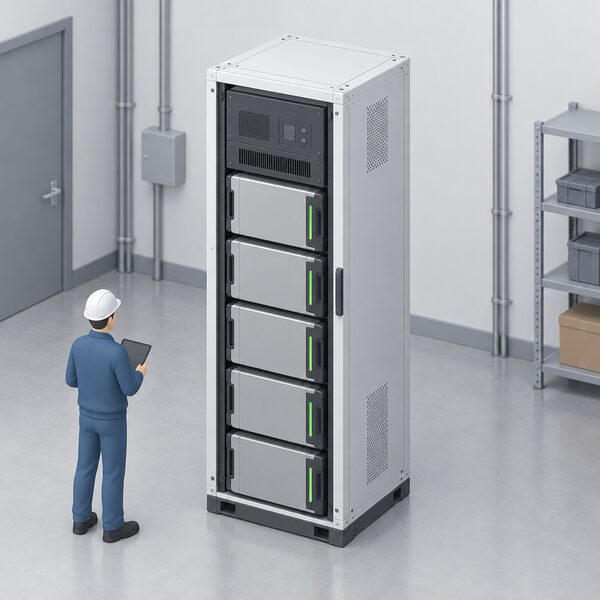
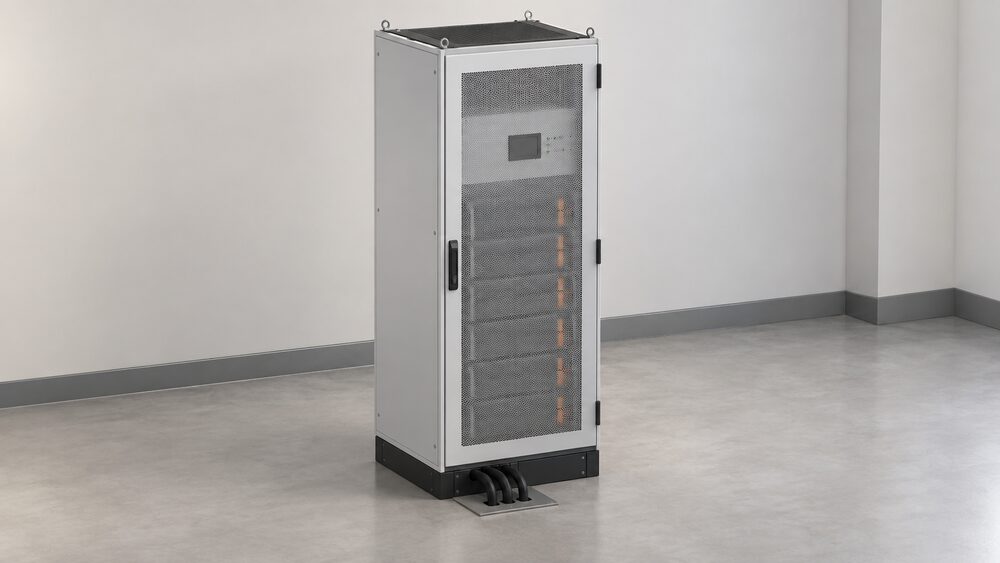
The two products share a name and almost nothing else. The xStorage Home is a residential unit for a single dwelling, supplied as an integrated storage unit in a single box with wall-mount and floor-mount options1. The xStorage Compact is an all-in-one single-rack battery energy storage system for small and medium commercial and industrial sites, designed to fit into limited space4.
The Compact's specifications are published in far more detail. Each battery pack has a nominal energy capacity of 10 kWh and a usable capacity of 95% of nominal at C/5, with NMC cell chemistry and an initial state of health of 100%15. A single rack holds one string of five packs, or 50 kWh, and each unit can support up to three strings, a maximum of 150 kWh per unit15. The PCS rack is quoted at 93.0% round-trip efficiency at 50% load, with a second figure of 94.0% appearing in the same datasheet, and the two figures disagree15. The 20 kW PCS rack is upgradable to a 40 kW system; the 40 kW version is not upgradable15.
The Compact also carries a fuller certification list, including IEC 62477-1, IEC 61000 series immunity and emissions standards, EN 50549-1, VDE AR-N 4105, G99/G100, CEI-016 and TOR Type A, with RoHS and WEEE compliance and support for TN-S, TN-C-S, TN-C and TT grid connections15. Its battery packs carry a 10-year performance warranty for GEN4 and a calendar life stated as greater than 10 years15. The Home's certification position is stated only in general terms, that it was developed and tested to meet the highest European Union and national electrical safety standards6.
For a household, the Compact is not a domestic product. It is relevant only as evidence of what Eaton publishes when it chooses to, and of the gap between that and the Home's documentation. A fuller treatment of the commercial unit is at Eaton xStorage Compact.
Where the range sits in the wider market
The xStorage Home arrived in a UK market that now offers a wide choice of domestic batteries, and its position has narrowed. Independent guidance on choosing a battery notes that a typical battery lasts about 10 to 12 years and that systems often carry a 10-year warranty, which is the standard the Home's 5-year models fall short of10. Guidance on selecting an installer emphasises that inverter warranties of 10 years are standard, again a benchmark the shorter Home terms do not meet12.
The market context is one of falling costs and rising competition. Eaton reports that capital expenditure for lithium-ion battery energy storage systems fell in 2024, with DC block prices down since 2023, and anticipates European delivery and system costs falling in 2025 from higher levels in 20224. Those are commercial-scale figures, but they indicate the direction of the component market the Home was built from.
The Energy Storage Association (UK) describes its scope as bringing together electrical, thermal, hydro and hydrogen-based storage, and says it works with DESNZ, NESO, Ofgem and GB Energy among others16. That is the policy environment a household battery sits in, and it is one in which manufacturer cloud platforms are not a protected service.
For a household weighing independence, the position is straightforward. An xStorage Home reduces import from a supplier and shifts consumption away from peak periods, and it can keep a small set of essential circuits running in an outage. It does not take a home off the grid, it does not work off-grid, and its remote functions have already been withdrawn once. The dependence that remains is on the grid, on a supplier, on a broadband connection for anything remote, and on Eaton's continued willingness to support a discontinued product. Alternatives that change the fuel or the architecture are covered under home battery storage and off-grid battery systems.
Sources16 cited
- xStorage Home product page, Eaton, 2026
- Home energy storage for residential buildings, Eaton, 2026
- xStorage Home cloud shutdown notice, Eaton, 2025
- Energy storage FAQ, Eaton, 2026
- xStorage Hybrid product page, Eaton, 2026
- Home energy storage, residential EMEA, Eaton, 2026
- xStorage Home supports the energy transition, Eaton, 2026
- xStorage Home 3P technical datasheet, Eaton, 2020
- Future ready homes podcast, Eaton, 2026
- Battery storage advice, Energy Saving Trust, 2026
- Solar panel battery storage, Which?, 2026
- How to choose a good solar installer, Low Carbon Hub, 2025
- xStorage Hybrid launch at Intersolar Europe, Eaton, 2024
- tado vs Google Nest, tado°, 2026
- xStorage Compact technical datasheet, Eaton, 2025
- Why the UK needs a storage revolution, Energy Storage Association (UK), 2025
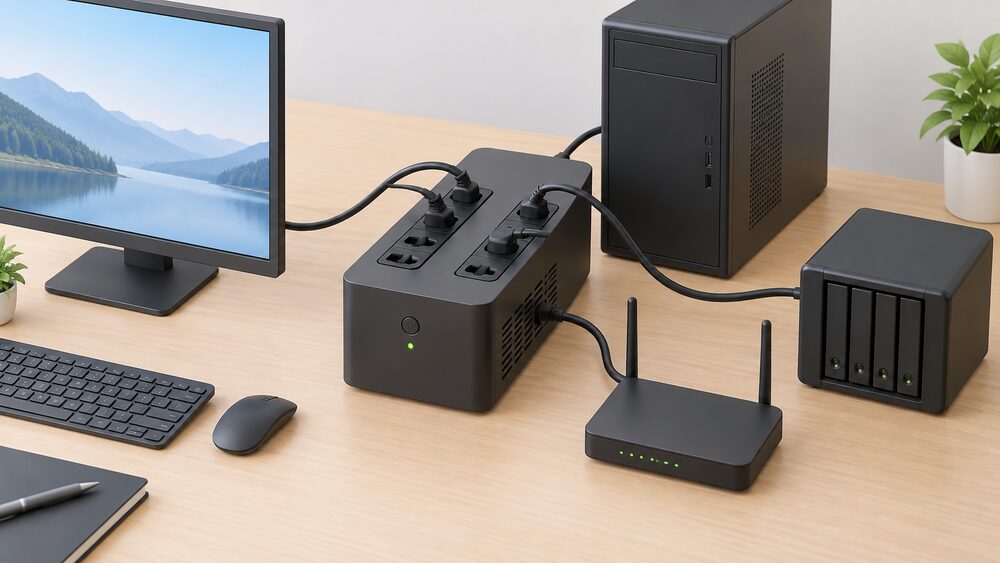 Eaton UPS units for home backup powerWhich Eaton backup unit suits a home office, and how long will it keep things running in a power cut?
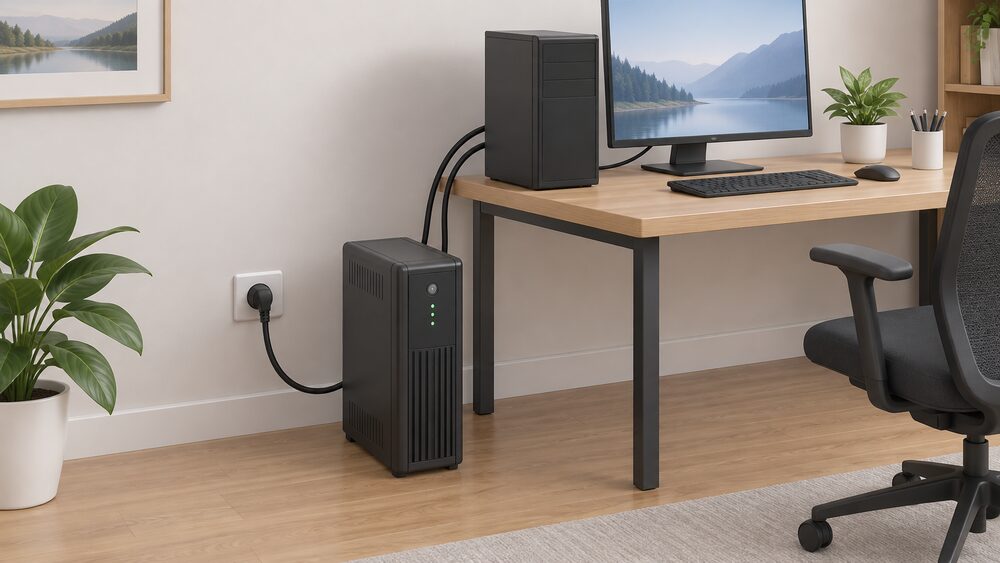 Eaton 9PX UPSIf the mains cuts out, will everything plugged into an Eaton 9PX keep running without a flicker?
 Eaton xStorage CompactThe Eaton xStorage Compact is built for businesses, not homes, so it holds far more power than a typical house battery.