
In this answer
Short answer
A smell of gas in a home is treated as an emergency, and the response is the same wherever you are in Great Britain: get fresh air in, get people out, and call the National Gas Emergency Service on 0800 111 999. That line is free and open 24 hours a day, and it is the number published by every gas distribution network for a gas smell, low gas pressure or suspected carbon monoxide1.
The smell itself is a warning added deliberately. Gas is naturally odourless, so a substance called mercaptan is added to make it detectable, giving it a potent sulphur-like smell similar to rotten eggs3. If that smell is present, the priority is ventilation and distance, not diagnosis. Do not operate electrical switches, do not use a naked flame, and do not stay in a cellar or basement where gas can be smelled1.
What follows is the sequence the networks themselves set out, the rules on turning gas off at the meter, who attends and how they prove who they are, and why nobody restores a gas supply except a qualified person.
What to do immediately: the steps before you call
The order matters. Open doors and windows to let fresh air in, turn off the gas at the meter if it is safe to do so, and leave the property, calling the emergency line from outside2. Guidance from Electricity North West, which runs the Extra Care register for priority households, puts the same sequence plainly: open your doors and windows, turn off gas at the meter unless the meter is in a cellar, do not use electric switches, and extinguish naked flames4. Cadent's own emergency advice adds the same prohibitions: avoid using switches, do not turn any power or light switches on or off, light no flames, and do not use appliances that could cause a spark5.
Appliances should be switched off before evacuating. Network guidance states: "We do recommend that you ensure your gas appliances are switched off before evacuating your property."6 That is a recommendation, not a condition of leaving, and it should never delay getting out.
If the smell is accompanied by symptoms, the response widens. Where someone has collapsed or is displaying severe symptoms, medical help comes first: call 999 or 1128. Carbon monoxide exposure produces the same first moves, open all doors and windows, move outside into fresh air, and call the Gas Emergency Service on 0800 111 9999.

The National Gas Emergency line: 0800 111 999, free and staffed 24/7
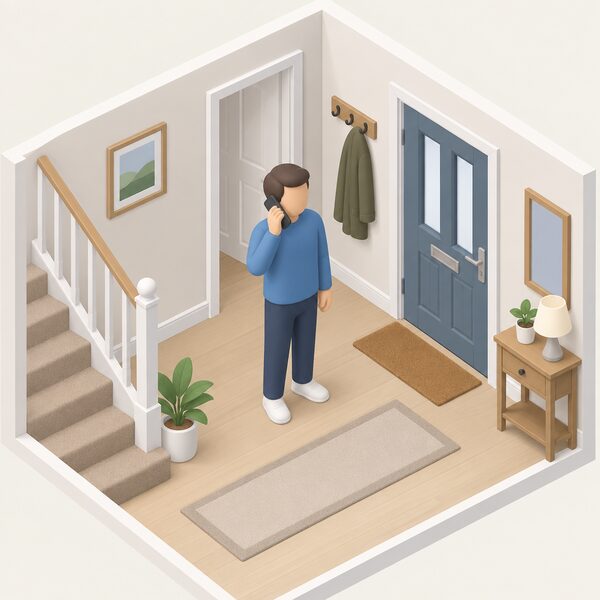
One number covers the whole of Great Britain. SGN publishes it as the National Gas Emergency Service on 0800 111 9991, Northern Gas Networks gives the same number for a gas smell11, and the industry guidance from the Energy Networks Association repeats it for anyone who smells gas12. The National Energy Action home energy checklist calls it the 24-hour Gas Emergency Hotline on 0800 111 99913, and Smart Energy GB gives the same instruction to call the national gas emergency number immediately14.
The service is free to the caller. SGN states that "The National Gas Emergency Service is a free 24-hour helpline."1 Northern Gas Networks confirms lines are open 24/715. Wales & West Utilities describes its emergency number as free and available at any time, day or night, 365 days a year16.
There is no separate non-emergency number for a gas smell. The same line takes reports of a gas smell, low gas pressure and suspected carbon monoxide17. If the smell is faint or intermittent, say so when you call; the advisor decides what response is needed. Tell the advisors about any vulnerabilities or special circumstances that need to be known, including mobility, medical or communication needs1.
Turning off the gas at the emergency control valve, and why you do not have to before evacuating
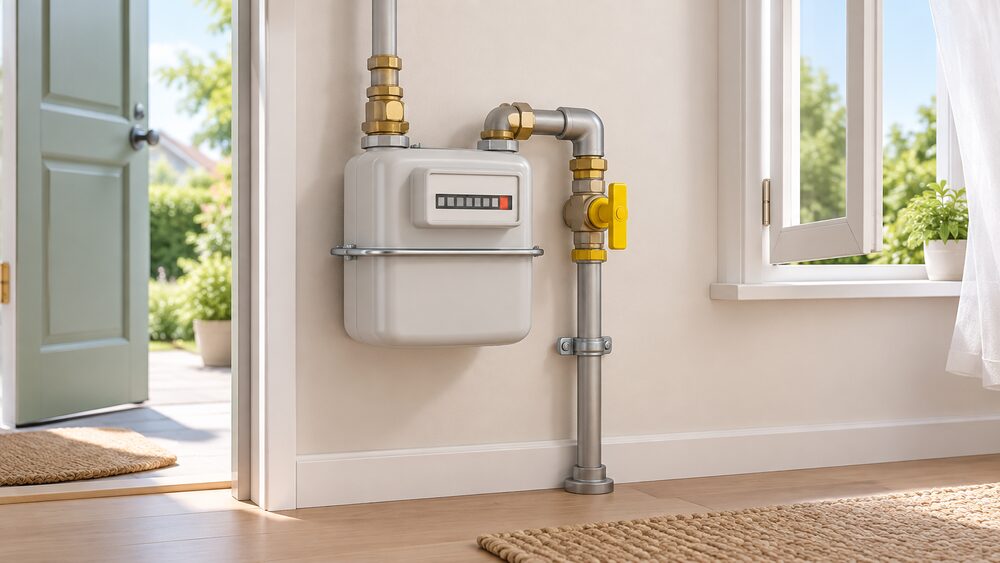
The emergency control valve sits by the gas meter. Where there is no label present, the emergency control handle is turned through 90 degrees to close the valve18. That is the valve the networks refer to when they say a householder would be asked to turn off the gas at the emergency control valve by the meter19.
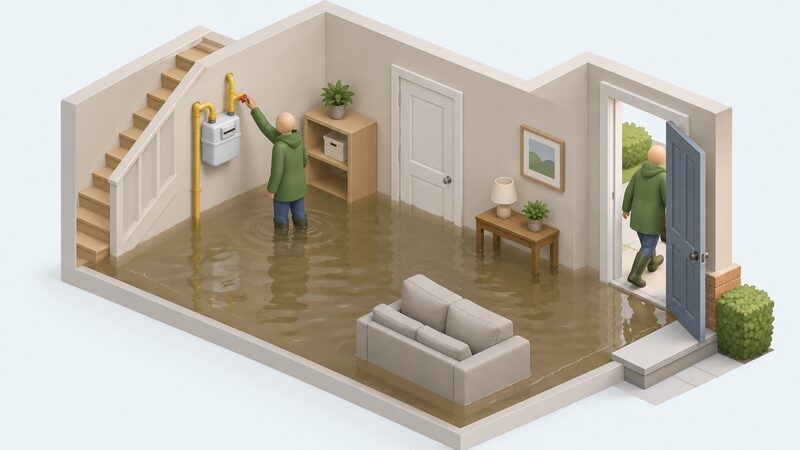
Turning it off is advised where it is safe, but it is not a precondition of evacuating. The one clear exception is a meter in a cellar or basement: guidance says to turn off gas at the meter unless the meter is in a cellar, and separately warns against staying in a cellar or basement with a smell of gas4. In that case the correct action is to leave the space and call from outside.
For homes on LPG rather than mains gas, the shut-off points differ. Liquid Gas UK advises that no matter where you smell gas, you close the manual outlet valve on the cylinder or tank, turn off all appliances and the property's emergency valve, open doors and windows, avoid switching lights or electrical equipment on or off, call your supplier, dial 999 for the fire brigade and leave the premises19.
Who attends, how they identify themselves, and the free password scheme
An emergency engineer attends following a report to the national line. Cadent publishes a document for the visit that can be shared with a landlord, housing association or Gas Safe registered installer20. That sharing route matters in rented homes, where the tenant may not be the person who arranges any follow-up work.
Identification is handled two ways. Networks offer a password scheme: Northern Gas Networks will "Offer, free of charge, to agree a password which can be used to help the customer identify the person attending."21 The Extra Care register used by Electricity North West works on the same principle, with the representative making a quick phone call to find out the password, prove their identity and keep the customer feeling safe22. Separately, Gas Safe registered engineers carry a hard copy card or show it on their phone, and that can be checked with Gas Safe if there is any doubt23. Anyone registered to carry out gas work holds a Gas Safe ID card24.
Households with additional needs can be recorded in advance. Northern Gas Networks runs a priority customer register21, and Ofgem has consulted on priority service research covering how such registers work25. Being on a register does not change the emergency response, but it means the network knows about a vulnerability before it arrives.
Getting your supply restored: why a qualified person must do it
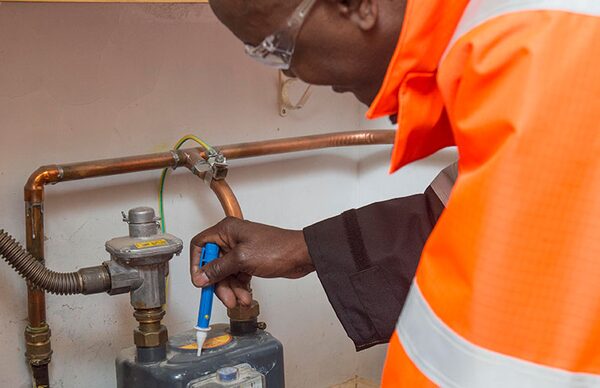
Once a gas supply has been turned off, it does not go back on at the householder's hand. Northern Gas Networks states that this "will have to be done by an appropriate qualified person"6, and the flood guidance from Cadent is blunter still: "please do not try to turn your gas supply back on again"7. The same rule appears in Northern Gas Networks' flood advice, which says restoration must be done by an appropriate qualified person6.
Restoring supply is not the end of the matter. After an emergency visit, further repairs to appliances or pipework may need a Gas Safe registered engineer26. SGN's carbon monoxide guidance is that a Gas Safe registered engineer should always be used to fit, fix and check appliances27. Registration to carry out gas work requires proof of the necessary qualifications and experience28.
For a household, this is the point where independence runs out. A gas connection is a shared, regulated system: the pipe to the meter belongs to the network, the meter to the supplier, and the work on either is reserved to registered people. A home can control its appliances, its ventilation and its response to a smell, and nothing beyond that.
Which network covers your home: Northern Gas Networks, Wales & West Utilities and the rest of Great Britain
Great Britain's gas distribution networks are owned by four groups: Cadent Gas Ltd, Northern Gas Networks Limited, SGN, and Wales & West Utilities Limited29. Which one covers a home depends on where it is.
Northern Gas Networks runs the pipes across the North of England30, and is listed as the gas transporter for Northern England31. Wales & West Utilities covers the whole of Wales and the South West of England32, and its network plans cover Wales and the South West33. SGN covers Scotland and southern England34. Cadent covers the East of England and other regions29.
The network matters for connections and alterations rather than for emergencies, because the emergency number is national. Wales & West Utilities, for example, handles requests for a new gas supply, changes to an existing supply such as moving a pipe for an extension, altering the location of an existing meter, and disconnecting a supply that is no longer needed32. Northern Gas Networks takes applications for new connections16. Before any excavation, the Dial Before You Dig service provides scaled plans of the network33.
Northern Ireland sits outside this structure, with its own gas network arrangements. For a household there, the emergency response and the network operator differ from Great Britain, and the number to call should be confirmed locally.
What if I smell gas after a flood?
Flooding changes the sequence slightly. If the property has been flooded and it is safe to do so, turn off the gas supply at the gas meter7. Then leave and call the emergency line. Do not attempt to restore the supply afterwards: the same rule applies, that restoration must be done by an appropriate qualified person6.
Contact the gas emergency line if you can smell gas, experience poor pressure or have no gas after flood water has left the home6. That covers the period after the water has gone, when a smell or a loss of pressure can still indicate damage to pipework or the meter installation.
Where a petrol generator is used during or after flooding, ventilation is critical. Guidance warns that it is vital to ensure there is adequate ventilation to prevent potential exposure to carbon monoxide18. Generators are a common feature of flood recovery, and they carry their own risk separate from the gas supply.
Sources34 cited
- Smell gas, SGN, 2026
- Take no chances with gas safety, Northern Gas Networks, 2026
- Safety advice, Liquid Gas UK, 2026
- Gas and carbon monoxide safety, Electricity North West, 2026
- Make the right call, Cadent Gas, 2026
- Flood advice, Northern Gas Networks, 2025
- Flood advice, Cadent Gas, 2026
- Carbon monoxide advice, Cadent Gas, 2026
- Summer CO awareness, Cadent Gas, 2026
- Household customers, SGN, 2026
- Installing, altering and disconnecting gas services.pdf), Energy Networks Association, 2026
- Your home energy checklist, National Energy Action, 2026
- FAQs, Smart Energy GB, 2025
- Energy efficiency, Northern Gas Networks, 2026
- Smell gas, Wales & West Utilities, 2026
- Gas connections, Wales & West Utilities, 2026
- Energy for those with sight loss, Uswitch, 2026
- Be winter ready, SGN, 2026
- Gas safety week, Cadent Gas, 2026
- Emergency engineer visit, Cadent Gas, 2026
- Priority customers, Northern Gas Networks, 2026
- Our Extra Care register, Electricity North West, 2026
- Know or suspect you have a gas emergency, IGEM, 2026
- Registration to carry out gas work, GOV.UK, 2026
- Priority service research project, Ofgem, 2003
- Gas emergencies, Northern Gas Networks, 2025
- Gas leaks safety, Uswitch, 2026
- Carbon monoxide, SGN, 2026
- How to move your gas or electricity meter, Uswitch, 2026
- Gas safety home renovation tips, Northern Gas Networks, 2026
- Winter advice, Cadent Gas, 2026
- Dial before you dig, Wales & West Utilities, 2026
- Energy terms explained, Ofgem, 2026
- Apply now, Northern Gas Networks, 2026
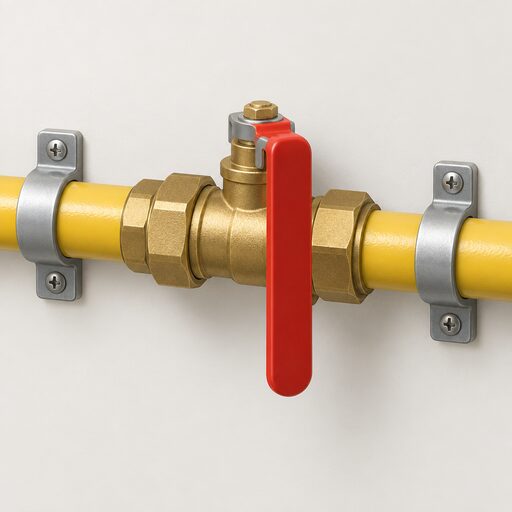 Smell Gas or Suspect COThe emergency steps for a suspected gas escape or carbon monoxide alarm, including ventilation, ignition sources and turning the supply off at the emergency control valve.
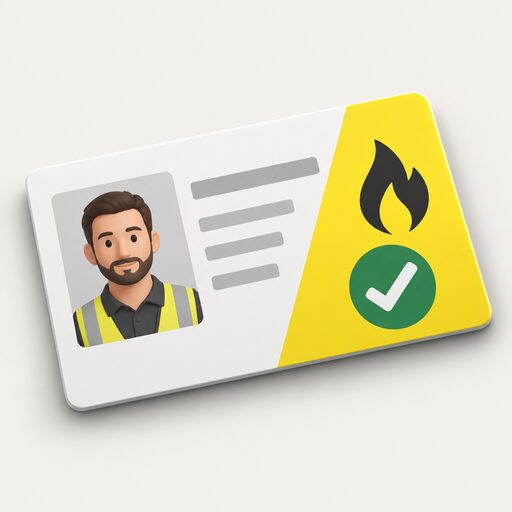 Gas Safety in the HomeYour landlord has to arrange a yearly gas safety check by a Gas Safe registered engineer and give you the record if you rent.
 Who to Call for Energy HelpA single reference to the right contact for each situation: gas escapes, power cuts, water leaks, meter faults, billing disputes, scams and free advice.
 Gas Supply EmergenciesIf gas runs short, will my home lose supply?
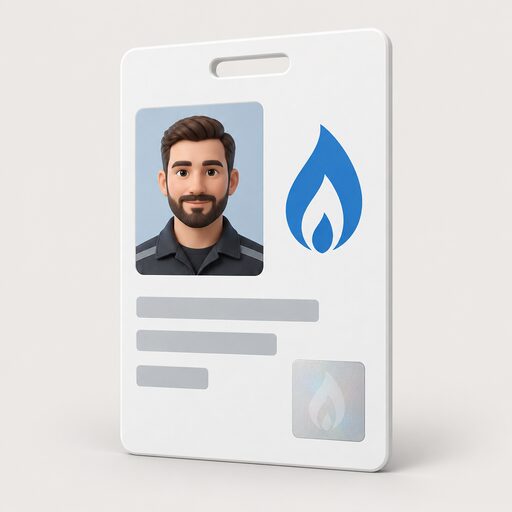 Gas Safety RulesAnyone working on gas in your home has to be on the Gas Safe Register, whether they are installing, fixing or servicing an appliance.
 Gas Distribution NetworksWho actually owns the pipes under your street, and who do you call when gas smells or the supply fails?