On this page
SSE Airtricity is Northern Ireland's second largest electricity supplier, and it is also the regulated gas supplier for Greater Belfast and the West, serving around 204,000 domestic gas customers across those two areas1. It operates in a market that is entirely separate from Great Britain's: five electricity suppliers compete for Northern Ireland homes, and SSE Airtricity sits alongside Power NI, Click Energy, Budget Energy and Electric Ireland2.
Its gas business is different in kind from its electricity business. Because SSE Airtricity supplies Greater Belfast, its gas tariff changes must go through the regulator before they reach customers4. The most recent change was a 19.2 per cent increase for gas customers, announced in August 2026 and effective from 1 October 2026, adding around £76 a year to the typical domestic gas bill1. On electricity, the company sells a ladder of one-year fixed discounts, from 2 per cent up to 15 per cent off its standard unit rates, some with a £60 welcome credit5.
SSE Airtricity explained and its market position
SSE Airtricity holds a distinctive double position in Northern Ireland. On electricity it is a competitive supplier, described by the Consumer Council as Northern Ireland's second largest, selling to homes across the region alongside four rivals1. On gas it is a regulated monopoly supplier in its own network areas: it supplies Greater Belfast, and its tariff changes must go through the regulator rather than being set freely by the company4.
The two roles sit side by side in the same brand, which is worth understanding when comparing prices. An electricity tariff from SSE Airtricity is a competitive product the company prices itself, in a market where the Consumer Council publishes a comparison table so households can shop around2. A gas tariff in Greater Belfast or the West is a regulated price, reviewed against the network area the home is in, with changes scheduled around quarter days7.
Independent customer-survey evidence for the brand is mixed and dated. In a 2021 survey of energy companies, SSE Airtricity's gas business came third in Northern Ireland, while its electricity business came joint fifth alongside Budget Energy9. Those rankings are several years old and measure customer satisfaction rather than price, but they indicate that the gas and electricity arms have historically been received differently by customers.
For context on the wider company landscape, SSE Airtricity's Northern Ireland energy services arm, SSE Airtricity Energy Services NI Ltd, also acts as a scheme manager in the Northern Ireland Sustainable Energy Programme, the region's energy efficiency scheme10. The company is therefore present in Northern Ireland not only as a biller but as a participant in the region's efficiency and grant infrastructure.
One electricity network serving five suppliers
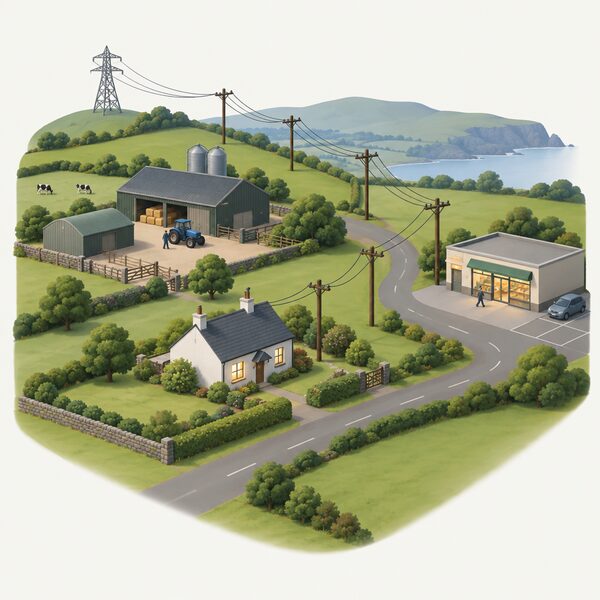
Northern Ireland's electricity supply market has five suppliers: Power NI, SSE Airtricity, Click Energy, Budget Energy and Electric Ireland3. The Consumer Council's guidance puts the choice plainly: with five electricity suppliers and two gas suppliers, it makes sense to shop around and compare prices2. Power NI is the main electricity provider in the region, overseen by the Utility Regulator4, and SSE Airtricity is the second largest1.
The supplier is not the network. NIE Networks transports electricity from where it is generated to over 910,000 customers including homes, businesses and farms, and it is NIE Networks, not any supplier, that handles power cuts and emergency disconnections3. Switching electricity supplier in Northern Ireland changes who bills you, not who maintains the wires to your home, so a switch to or from SSE Airtricity carries no physical change to the connection.
What a household actually pays depends on the tariff chosen, not just the supplier. SSE Airtricity's standard 24-hour rate works out at £1,305 a year at the comparison consumption of 3,200 kWh, while its discounted one-year deals range down to £1,109 at the same usage5. The spread between a supplier's own standard and best fixed rate, £1,305 against £1,109 at typical usage, is often larger than the gap between suppliers, so the tariff matters as much as the badge. The separate structure of the Northern Ireland market is explained in more detail in energy suppliers in Northern Ireland, and a direct comparison with the largest supplier is at Power NI vs SSE Airtricity.
Gas supply across Greater Belfast and western areas
SSE Airtricity's gas business covers two network areas: Greater Belfast and the West. It serves around 204,000 domestic gas customers across the two1. This is a different arrangement from the electricity side: because SSE Airtricity supplies Greater Belfast, it must go through the regulator for tariff changes4, and the Consumer Council publishes separate gas comparison pages for the Greater Belfast and West areas because prices differ between them7.
The published figures for Greater Belfast give a sense of the typical bill. On the Home Energy Tariff paid by Direct Debit, the annual cost is £906 using 12,000 units a year, with a unit rate of 7.010p per unit after the first 2,000 kWh6. Pay As You Go customers in the same area are listed at £893 a year at the same consumption7. The West area has its own comparison page and its own tariff schedule, and a tariff change for SSE Airtricity in both areas was scheduled for 1 October 20267.
Both of those scheduled changes materialised as the announced 19.2 per cent increase, effective from 1 October 2026, which the Consumer Council said would add around £76 a year to the typical domestic gas bill and would impact around 204,000 customers1. For a household budgeting for winter, that is the headline number: a bill that was £906 a year on the Greater Belfast Direct Debit tariff before the increase carries roughly £76 more after it1. How the network areas and tariffs work across the region is set out in Northern Ireland gas tariffs, and the other main gas supplier is covered at firmus energy.
How price rises and cuts affect the typical bill
SSE Airtricity's electricity price list, as published in the Consumer Council's comparison tables, is built around one-year fixed discounts off its standard unit rates. The standard 24-hour rate costs £1,305 a year at 3,200 kWh. The discounted deals step down from there: 8 per cent plus £60 welcome credit at £1,201, 9 per cent at £1,188, 10 per cent plus £60 credit at £1,175, 13 per cent at £1,136, and 15 per cent at £1,1095. The unit rates follow the same ladder, from 37.530p per kWh on the 8 per cent deal down to 35.490p on the 13 per cent deal5.
| Tariff (24-hour) | Discount | Annual cost at 3,200 kWh | Unit rate |
|---|---|---|---|
| Standard Rate | none | £1,305 | not listed in this table |
| 1 Year, 8% + £60 credit | 8% + £60 | £1,201 | 37.530p |
| 1 Year, 9% | 9% | £1,188 | 37.120p |
| 1 Year, 10% + £60 credit | 10% + £60 | £1,175 | 36.720p |
| 1 Year, 13% | 13% | £1,136 | 35.490p |
| 1 Year, 15% | 15% | £1,109 | not listed in this table |
All figures from the Consumer Council's electricity price comparison table, September 20265.
Two conditions attach. The £60 welcome credit on the discounted deals must be redeemed within one year, and the 13 per cent discount deal carries a £40 early exit fee5. A smaller SmartSaver tariff offers 1 per cent off the standard unit rate, and a 2 per cent deal with £60 credit also appears in the list, showing the range of terms on offer at any one time5.
On the gas side, the price story in 2026 has been one of increase rather than discounting. The 19.2 per cent rise effective 1 October 2026 adds around £76 a year for the typical customer1. There is no equivalent discount ladder for gas: the Greater Belfast tariffs are structured by payment method, with Direct Debit at £906 a year at 12,000 kWh and Pay As You Go at £8936. Economy 7 households have a separate price list, with day unit rates ranging from 37.850p on the 9 per cent deal to 39.930p on the 4 per cent plus £60 credit deal8.
Why the Utility Regulator must approve gas tariff changes
The reason SSE Airtricity's gas prices move differently from its electricity prices is legal, not commercial preference. Because the company supplies Greater Belfast, it must go through the regulator for tariff changes4. Power NI, the main electricity provider, is overseen by the Utility Regulator in the same way4. This is the Northern Ireland equivalent of the price regulation that ended for most GB suppliers, and it means a gas price rise is a published, scrutinised event rather than a commercial decision announced overnight.
The Energy Price Guarantee era added a further layer. Under the direction for domestic gas consumers in Northern Ireland, each licensed gas supplier shall not set a new tariff or revise an existing tariff to take effect on a day other than a quarter day unless it has the written consent of the Secretary of State11. The wider scheme allowed domestic electricity and gas suppliers in Northern Ireland to make tariff changes on days other than the first day of a quarter12, and under the Energy Price Guarantee the government set maximum prices for gas and electricity and compensated suppliers for providing units below those prices13. The scheme's stated purpose was to limit the price suppliers can charge customers for units of gas15.
That quarter-day rhythm is visible in the 2026 changes. The 19.2 per cent increase was announced in late August and took effect on 1 October, the quarter day, with the same date scheduled for both the Greater Belfast and West areas1. For a household, the practical effect is predictability of timing but not of direction: gas prices in these areas change when the regulated review concludes, and the size of the change follows wholesale costs and network costs as assessed in the review, not a fixed cap.
Discounts, keypad and credit meter choices when you switch
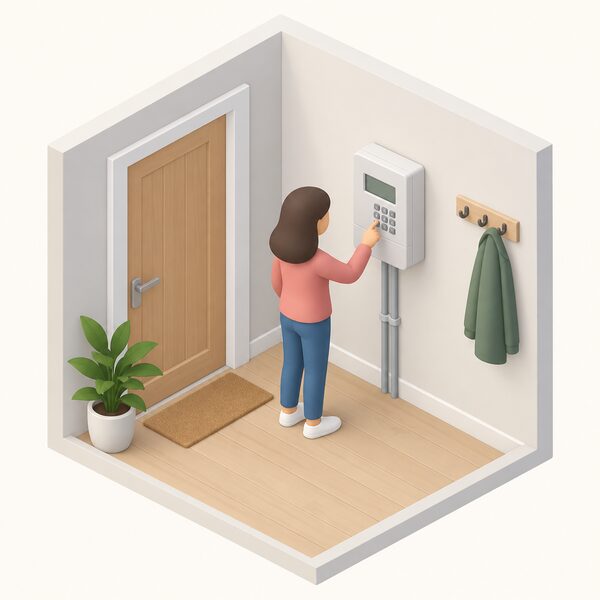
Switching electricity supplier in Northern Ireland is a like-for-like process: the Consumer Council's guidance is to shop around and compare, using its published comparison tables for standard, Economy 7 and keypad meters2. SSE Airtricity's switching offers are structured around meter type. Credit meter households on a 24-hour meter can choose from the one-year fixed discounts listed above, from 2 per cent to 15 per cent, with £60 welcome credit on several of them5.
Keypad customers, Northern Ireland's prepayment arrangement, have their own deals. SSE Airtricity's 1 Year Home Keypad offer gives a fixed term discount of up to 10.5 per cent on the standard unit rate plus £30 welcome credit on a 24-hour meter, and the same 10.5 per cent on day and night rates plus £30 credit on an Economy 7 keypad5. How these meters work in practice, including topping up, is covered at keypad meters in Northern Ireland.
Economy 7 households have a parallel set of offers: discounts of 4, 8, 9, 10 and 12 per cent off standard unit rates, several with £60 welcome credit, with day unit rates from 37.850p to 39.930p per kWh8. The welcome credits carry a redemption window of one year, and the exit fee on the 13 per cent credit-meter deal is £40, so the terms rather than the headline discount determine what a switch is worth5. Rival suppliers structure their offers differently: Budget Energy, for instance, lists a 12 month contract with no exit fee on its discount and keypad deals5, which is a point of comparison for households weighing exit flexibility. The mechanics of switching, including exit fees, are explained at exit fees when switching.
Getting in touch with SSE Airtricity and customer help

For billing, tariff and meter queries, SSE Airtricity's domestic contact details are published on its own website. One documented route is through its Northern Ireland energy services arm: SSE Airtricity Energy Services NI Ltd is listed as the manager of energy efficiency schemes under the Northern Ireland Sustainable Energy Programme, with a contact telephone number of 02890449499 for scheme applications10. The programme itself is administered by the Energy Saving Trust on behalf of the Utility Regulator, and is currently delivered by 11 scheme managers16.
Support beyond the supplier exists and is free. NI Energy Advice offers independent and impartial energy advice to domestic householders in Northern Ireland, plus referrals to energy grants and other sources of help18. The Consumer Council for Northern Ireland also gives free, independent and impartial energy advice to all domestic householders and handles complaints about energy companies19; its role is covered at the Consumer Council for Northern Ireland. For power cuts and emergencies, the contact is NIE Networks, not the supplier3.
One distinction worth holding on to when contacting anyone about energy in Northern Ireland: the supplier bills you, the network maintains the physical supply, and the Consumer Council and NI Energy Advice sit outside both. A complaint about a bill goes to the supplier first and then to the Consumer Council; a fault on the network goes to NIE Networks; a question about grants or efficiency schemes can go to NI Energy Advice or to the relevant scheme manager3.
SSE Airtricity's role in Northern Ireland's household energy independence
A supplier relationship is, by definition, a dependence: the household relies on the supplier for billing and the network for physical delivery, and on the wholesale market behind both. With SSE Airtricity that dependence has a particular shape. On electricity, the household depends on a competitive supplier whose prices it sets itself, in a market where switching is the household's main lever and the Consumer Council's comparison tables make the lever usable2. On gas in Greater Belfast and the West, the household depends on a regulated monopoly supplier whose price changes are approved rather than competed away, and the 2026 increase of 19.2 per cent, around £76 a year, shows what that dependence costs when wholesale costs rise1.
The routes to reduce that dependence in Northern Ireland are documented and partly funded. The Northern Ireland Sustainable Energy Programme is an energy efficiency programme for domestic and non-domestic customers, and SSE Airtricity Energy Services NI Ltd is one of its scheme managers, meaning the supplier itself administers some of the efficiency schemes its customers can apply to10. NI Energy Advice provides free, independent advice and referrals to energy grants18, and insulation and efficiency measures reduce the units a home needs whatever the tariff19.
The honest summary is that choosing SSE Airtricity, or any Northern Ireland supplier, changes who sets the price of energy, not whether the home needs the grid and the gas network. The levers that genuinely reduce dependence are usage and fabric: efficiency measures, grant-funded improvements through NISEP, and, in time, different heating sources. The supplier relationship is best treated as the cost side of that equation, to be reviewed against the comparison tables whenever a fixed deal ends. The wider picture is at energy suppliers and household energy independence.
Sources19 sources
- Electricity, oil and gas help for consumers, Consumer Council for Northern Ireland, 2026
- Switching electricity or gas supplier, Consumer Council for Northern Ireland, 2026
- Emergency power cuts, NIE Networks, 2026
- Energy Prices (Domestic Supply) (Northern Ireland) Regulations 2022, Lords debate(NorthernIreland)Regulations2022), UK Parliament, 2022-11-16
- Electricity price comparison table, Consumer Council for Northern Ireland, 2026-09-18
- Greater Belfast gas comparison, Consumer Council for Northern Ireland, 2026-09-20
- Gas to the West comparison, Consumer Council for Northern Ireland, 2026
- Economy 7 comparison, Consumer Council for Northern Ireland, 2026
- Best and worst energy companies for 2021 revealed, Which?, 2021-01-25
- NISEP Annual Report 2024-25, Utility Regulator, 2026-07
- Energy Price Guarantee for domestic gas consumers in Northern Ireland, Direction No.1, UK Government, 2022-12-19
- Energy Price Guarantee for domestic energy consumers in Northern Ireland: ministerial directions, UK Government, 2023-01-04
- Energy Price Guarantee scheme documents, House of Commons Library, 2026-08-28
- Energy Price Guarantee scheme documents, House of Commons Library, 2026
- Government announces Energy Price Guarantee, UK Government, 2022-09-08
- NISEP List of Schemes 2024-25, Utility Regulator, 2024-10
- NISEP list of schemes 2026/27 published, Utility Regulator, 2026-04-01
- Insulation, nidirect, 2026
- Energy efficiency tips, nidirect, 2026