
In this answer
Short answer
Yes, an Archimedean screw turbine almost always needs fish screening or an equivalent fish protection measure, because the environment regulator makes fish passage a condition of the abstraction licence rather than a feature of the turbine. The screw's slow rotation and open flights are widely described as fish-friendly, but that reputation does not remove the consenting requirement. No verified injury or survival rate for a UK screw installation is published, so the practical answer is that screening is decided case by case by the regulator for the river in question.
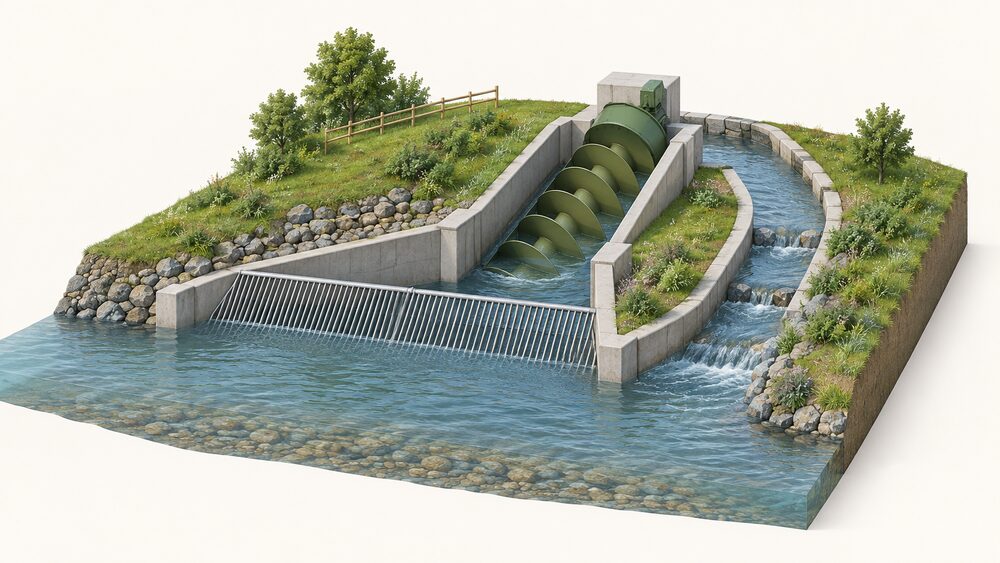
The turbine itself is a low-head machine. For low-head sites, the options include crossflow and Archimedes screw turbines, and these tend to be much bigger for the same power output than high-head machines1. That size matters for screening, because a larger intake structure needs a larger screen area to keep approach velocities low enough for fish to avoid being drawn in.
A working UK example is the Whitby Esk Valley Hydro project, a community-owned 50kW Archimedean screw hydroelectric turbine on the River Esk at Ruswarp, near Whitby, North Yorkshire2. It shows the scale at which screws are deployed in the UK: community-owned, run-of-river, and subject to the same environmental consenting as any other abstraction.
Why fish screening matters on an Archimedean screw
Screening exists for two reasons on a hydro intake: keeping debris out of the machine, and keeping fish out of the machine or guiding them past it. The Energy Saving Trust notes that debris is a recognised risk to hydro systems and that a screen can be added to the system to minimise it7. That is the engineering case. The regulatory case is separate and stronger: fish are a protected interest, and the consenting regime treats their passage as a condition of the scheme rather than a design preference.
The legal backdrop is the habitats and species regulations. Where a project could affect protected habitats, the applicant must check whether approval is needed before starting work, and such sites require extra checks to make sure the work will not harm these sensitive areas3. Local planning authorities also have a statutory duty to conserve biodiversity and to take protected species into account, such as nesting birds and roosting bats, for proposed works where planning permission or listed building consent is required4. For a river scheme, the equivalent protected interests are fish and eels.
The practical consequence is that screening is not something a household can decide to skip because the turbine is a screw. The screw's geometry reduces the risk profile, but the regulator still wants evidence that fish and eels can pass, and that usually means a screen, a bypass, or both. Where a scheme could affect protected habitats, the guidance is explicit that approval may be needed before work starts3.
How fish and eels pass through a screw turbine
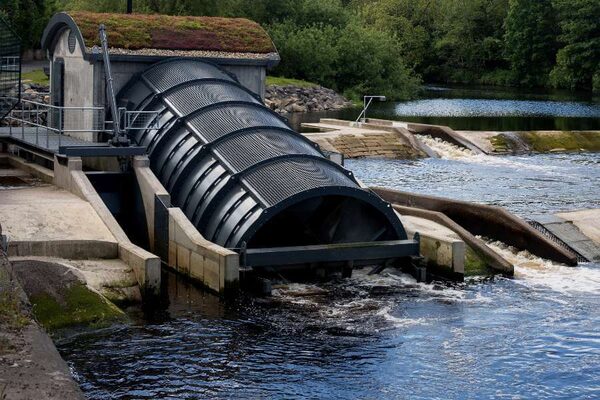
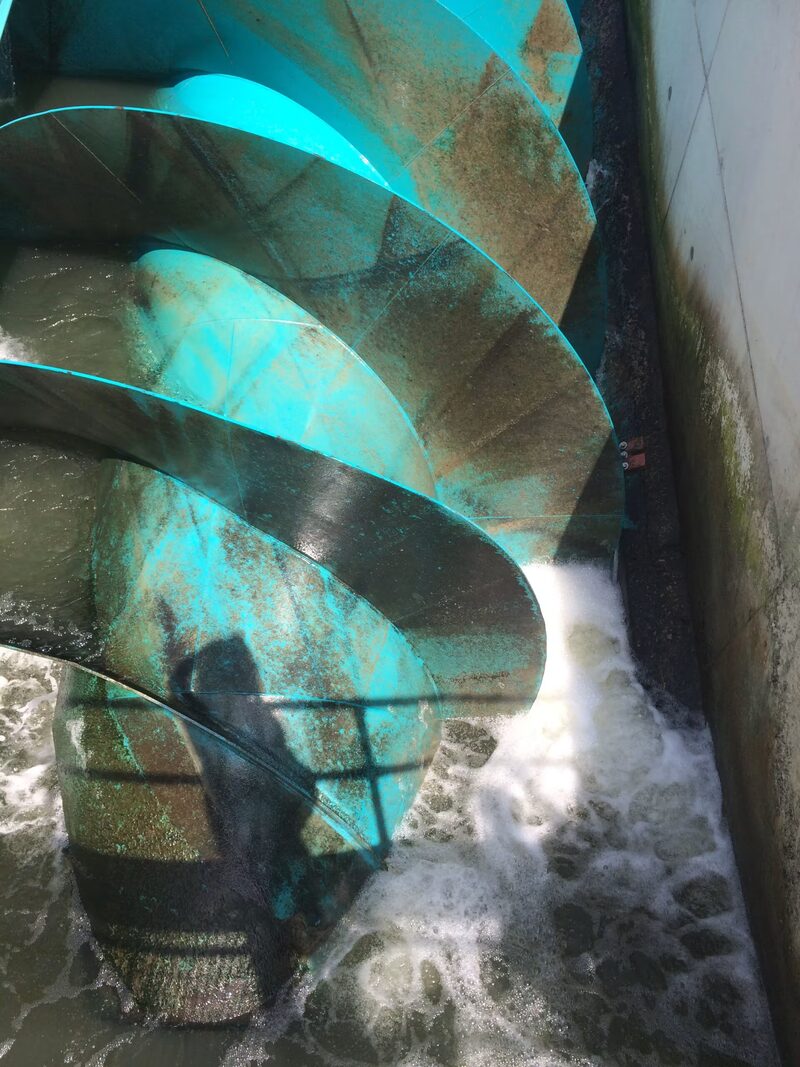
The Archimedean screw is often presented as the most fish-tolerant of the low-head turbines because the gaps between the flights are large, the rotation is slow, and fish can travel through the machine rather than being struck by a fast runner. That is the mechanism behind its reputation. No verified injury rate, survival percentage or eel mortality figure for a UK screw installation is published. Any specific number quoted for screw fish survival should therefore be treated as coming from the scheme's own monitoring, not from a national dataset.
What can be said with confidence is the regulatory framing. Protected species considerations apply to any proposed works where consent is required, and an ecological survey and/or a licence may be needed4. For eels specifically, no separate survival evidence is published, so the position is that eels are a protected interest to be assessed in the consenting process rather than a species with a published screw-specific figure.
The honest summary for a householder is this: the screw is a low-impact design, the evidence base for that claim in the UK is thinner than the marketing suggests, and the regulator will expect the applicant to demonstrate passage rather than assert it. That demonstration is normally where screening, bypass routes and monitoring conditions come from.
Screening options: coarse screens, behavioural barriers and where they are required
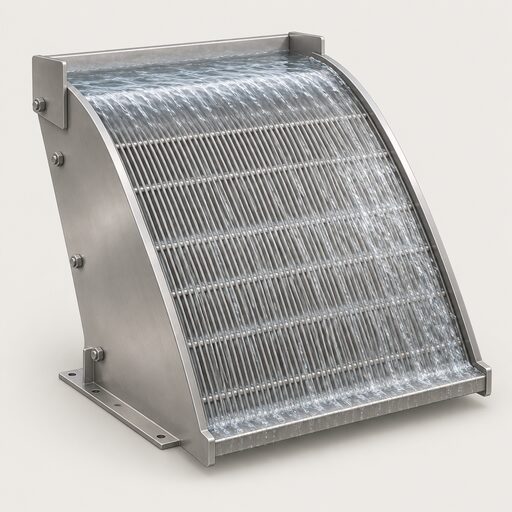
Screening on a screw scheme generally falls into three families. Coarse bar screens sit at the intake and stop large debris and larger fish. Finer screens, where required, protect smaller fish and juveniles but need more cleaning. Behavioural barriers use light, sound, bubbles or velocity gradients to steer fish away from the intake without a physical mesh. No required mesh size or bar spacing for screw turbines is published, so the specification is a matter for the regulator's conditions on that river.
Where screening is required is a function of the site, not the turbine. The Energy Saving Trust's position is that a screen can be added to a system to minimise debris risk7, which frames screening as a standard component rather than an unusual addition. On a low-head screw, the intake is wide and the approach velocity is low, so a coarse screen is often the practical choice, with a bypass channel providing the route past the turbine.
The consenting route runs through the abstraction licence and environmental assessment rather than through the turbine manufacturer. MCS certification, which covers microgeneration installations and installers including solar photovoltaic panels, biomass, wind, heat pumps and heat products5, is a quality assurance scheme for the installation, not an environmental approval. A scheme can be MCS certified and still fail to satisfy the environment regulator on fish passage.
Regulatory consent: what the environment regulator expects
Consent for a hydro scheme is layered. The abstraction licence governs how much water can be taken. Environmental legislation governs what happens to the fish and eels in that water. Planning governs the structure. Each layer can impose its own fish protection condition, and the strictest one governs.
The environmental layer is the one that drives screening. Under the habitats and species regulations, a project that could affect protected habitats requires the applicant to check whether approval is needed before starting work, and those sites require extra checks to make sure the work will not harm them3. An ecological survey and/or a licence may be required4. For a river scheme, that survey work is where fish and eel passage is assessed.
The planning layer adds a biodiversity duty. Bath and North East Somerset Council, for example, states that it has a statutory duty to conserve biodiversity and to take into account protected species, such as nesting birds and roosting bats, for any proposed works to roofs where planning permission or listed building consent is required4. The species differ on a river scheme, but the duty is the same shape: protected interests must be identified and accounted for.
Certification sits alongside this rather than replacing it. MCS covers microgeneration installations and installers including solar photovoltaic panels, biomass, wind, heat pumps and heat products5. It does not approve fish protection. A household should expect two separate processes: one for the installation's quality and one for the river's ecology.
Design measures that reduce the need for screening
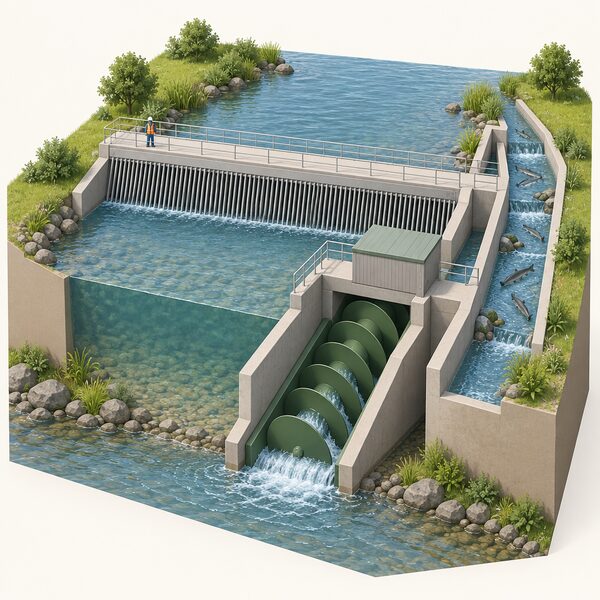
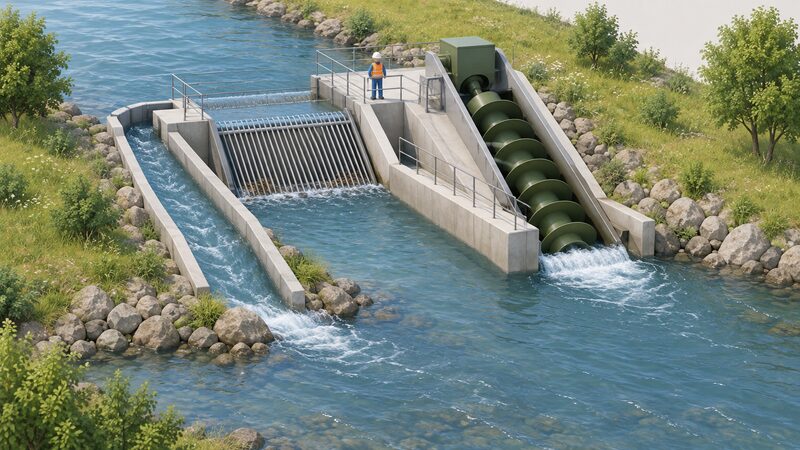
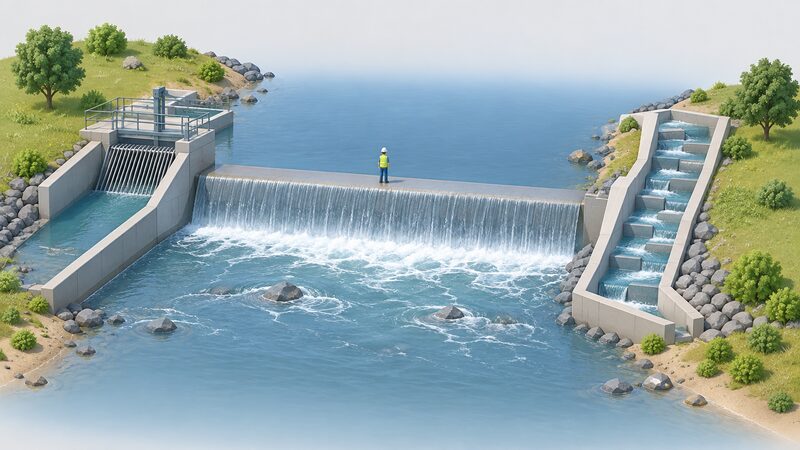
Design can lower the fish protection burden, though it rarely removes it. The main levers are intake geometry, approach velocity, bar spacing, rotation speed and a bypass route. A wider, shallower intake with a low approach velocity gives fish more chance to avoid the screen face. A slow-turning screw is inherently gentler than a fast runner. A bypass channel gives fish a route past the turbine entirely, which is often the most effective single measure.
No verified figures for screw rotation speed, bar spacing or approach velocity are published, so those remain design decisions for the scheme's engineer and the regulator. What is established is the scale of machine involved: low-head options such as crossflow and Archimedes screw turbines tend to be much bigger for the same power output than high-head machines1. A bigger machine means a bigger intake, which means more screen area is needed to keep velocities low. That is the trade-off at the heart of screw screening design.
Debris protection and fish protection often share the same structure. The Energy Saving Trust notes that a screen can be added to the system to minimise debris risk7, and on most schemes the same screen serves both purposes. A well-designed intake therefore does double duty: it keeps the machine clear and gives fish a defined route past it.
For a household, the practical implication is that screening design should be settled early, alongside the head and flow assessment, rather than bolted on after the turbine is chosen. The consenting timetable depends on it.
Cost and maintenance of fish screens and passes
No published price for fish screens or fish passes on a micro-hydro scheme is available. Costs are installer-quoted and depend on the intake design, the species present, the regulator's conditions and whether a bypass channel is needed. No range should be inferred from other figures, because none of them relate to hydro fish protection.
Environmental and compliance items carry their own costs in adjacent fields, which illustrates the pattern rather than the hydro figure. A cross-pavement channel for electric vehicle charging, for example, can cost up to £1,000 to buy and install8. A retrofit assessment under an energy efficiency scheme is quoted at £150 to £3009. A building standards register certificate carries an extra £10 per certificate10, and a small Feed-in Tariff licensee pays £25 per new generator in year 1711. These are unrelated to hydro, and they are given here only to show that compliance steps are individually priced rather than bundled.
Maintenance is the recurring cost. A screen needs clearing of debris, and the frequency depends on the river's leaf fall, sediment and flood behaviour. A bypass channel needs to stay open. No maintenance figure for a hydro screen is published, so the honest position is that maintenance is a scheme-specific operating cost to be established with the installer and the regulator.
Does fish screening differ across the four nations?
Yes, because environmental regulation is devolved. The consenting body, the assessment process and the conditions all differ by nation, even though the underlying fish protection principle is the same.
In England, the guidance framework is the one most commonly published. The Microgeneration Certification Scheme states that its guidance relates to the planning regime for England, and that policy in Wales may differ5. That is a direct acknowledgement that a householder in Wales cannot rely on English guidance.
In Scotland, environmental assessment runs under its own legislation. A Strategic Environmental Assessment screening is undertaken in accordance with the Environmental Assessment (Scotland) Act 20056. Scotland also has its own permitted development and planning framework, which affects how a hydro scheme is consented alongside the environmental conditions.
In Wales, policy is set by the Welsh Government and can diverge from England, as the MCS note confirms5. Welsh schemes also sit within Welsh funding and support frameworks, which are separate from English ones12.
In Northern Ireland, energy is a devolved matter. The historical record shows that when the microgeneration strategy was amended in 2004, Government amendment No. 10 excluded Northern Ireland precisely because energy is a devolved matter. The practical effect today is that a Northern Ireland hydro scheme deals with a different regulator and a different consenting route from a scheme in England.
Sources12 cited
- Micro hydro, Centre for Alternative Technology
- Seeing is Believing North East and Yorkshire, Community Energy England
- Common queries about planning permission, Wiltshire Council
- Solar panels planning permission, Bath and North East Somerset Council
- The Microgeneration Certification Scheme, Planning Portal
- Strategic Environmental Assessment screening, Scottish Government
- Hydroelectricity, Energy Saving Trust
- ECO flexibility funding, Ceredigion County Council
- Five top tips to cut your energy bills, Welsh Government
- The Building Standards Register, legislation.gov.uk
- Feed-in Tariffs determinations, year 16, Ofgem
- Permitted development rights, Cornwall Council
 Hydro Environmental RequirementsWhat does a micro hydro scheme need to do about fish, and who decides?
 Abstraction Licences and PermitsTaking water from a stream to power a turbine needs permission, and where you live decides who grants it.
 Small Wind Turbine StandardsA small wind turbine needs the right certificate before it can go up, and that affects whether you need planning permission and whether you can get paid for the electricity you send to the grid.
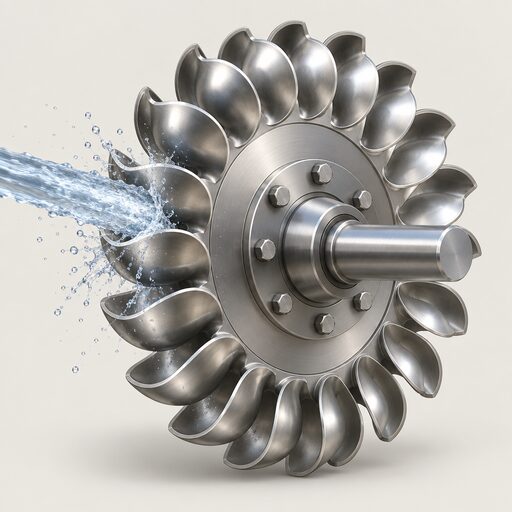 Hydro Turbine TypesWhich hydro turbine suits your site comes down to how far the water falls and how much flows past each second.
 G98 and G99 Grid ConnectionConnecting a wind turbine, hydro turbine or micro-CHP unit at home raises the question of whether it needs G98 or G99.
 Wind Turbine Planning in NIDo you need planning permission for a home wind turbine in Northern Ireland?