
In this answer
Short answer
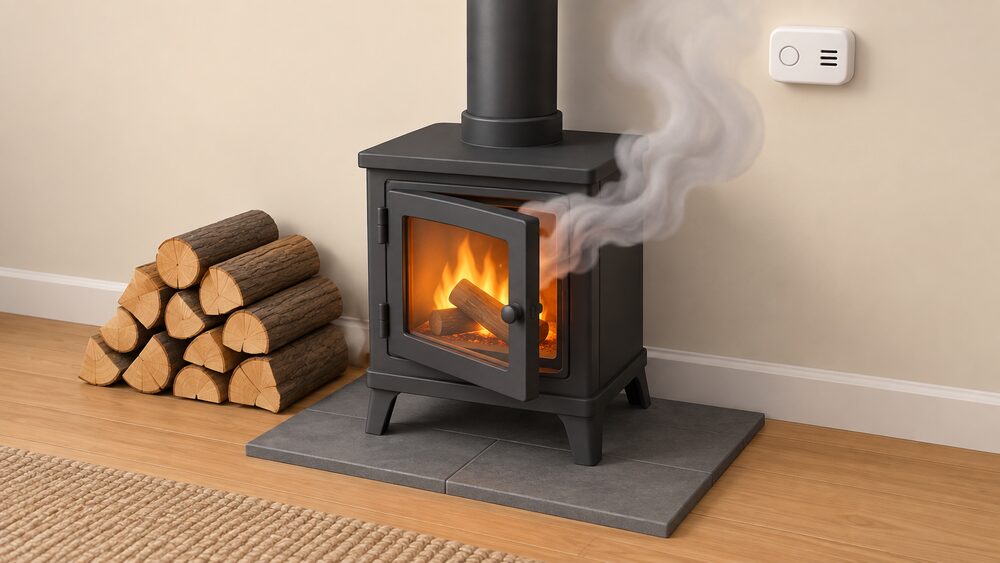
Burning wood at home can cause harmful air pollution both in your home and outside it, and the pollutant that carries most of the health concern is fine particulate matter, PM2.5, defined as particles up to 2.5 micrometres (microns) in diameter1. That size matters because it is small enough to travel deep into the lungs rather than being filtered out in the nose and throat.
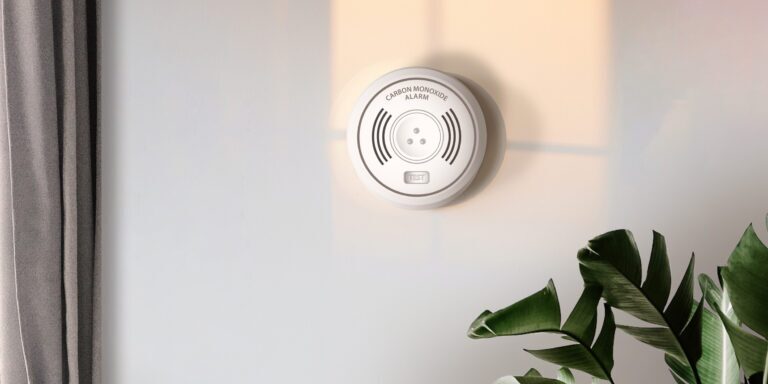
The second hazard is carbon monoxide. All fossil fuel burning appliances, including gas and liquid fuel-fired boilers, open fires and wood burning stoves, produce carbon monoxide, and occupants are at risk of exposure if appliances are incorrectly installed or maintained3. Wood smoke is not the only route to it: lit, smouldering and recently used barbecues can all give off carbon monoxide, and can still pose a risk even when they look cool4.
For a household, the practical question is not whether wood burning is banned, because it is not. The emphasis in current policy is on cleaner air through tougher PM2.5 limits which will affect a range of sources, including domestic burning, transport and industrial emissions5. The rules are tightening around emissions rather than around ownership, and the exposure a household controls is the exposure in its own room.
What burning wood releases into your indoor air
Wood smoke is a mixture, not a single substance. When wood is burnt it creates smoke, and wood smoke contains fine particle pollution (PM2.5)1. Alongside the particles, burning biomass releases other harmful pollutants including nitrogen oxides and particulate matter, especially if used incorrectly10. Biomass energy is not emission-free: burning it releases carbon dioxide and can also release pollutants that may affect local air quality if emissions are not properly controlled11.
The indoor share of that is what a household lives with. Wet logs will not only damage your stove but can release harmful particulates into the air in your home and outside8. The mechanism is straightforward: the fire has to boil off the water in the wood before any heat is provided into the room, so a wet log delivers much less heat per log, significantly increased emissions, high amounts of soot on stove glass, large deposits of flammable creosote in the chimney, a risk of chimney fire, and incomplete combustion creating a huge increase in soot, carbon monoxide and other harmful pollutants7.
Carbon monoxide is the acute risk rather than the chronic one. It is colourless and has no smell, which is why the symptom pattern matters more than the senses. Long periods of significant exposure to carbon monoxide can cause serious complications, including brain damage and heart problems12. Long-term exposure to low levels can also lead to neurological symptoms, including difficulty thinking or concentrating, or frequent emotional changes13.
"Burning wood at home can cause harmful air pollution both in your home and outside."
PM2.5: the particle size that reaches deep into the lungs
PM2.5 is the fraction of particle pollution that public health messaging centres on, and the reason is the diameter. Particles up to 2.5 micrometres (microns) in diameter are small enough to be inhaled past the body's usual defences2. Clean Air Night exists to shine light on the health impacts of wood smoke, in particular the fine particles (PM2.5), and asks households to play a part in reducing them1.
Regulation has moved to match. The emphasis is on cleaner air through tougher PM2.5 limits which will affect a range of sources, including domestic burning, transport and industrial emissions5. For appliances, the Ecodesign Regulations set emission caps covering particulate matter (PM), organic gaseous compounds (OGC), carbon monoxide (CO) and nitrogen oxides (NOx)6. The published limit for an open fire burning wood is 50 mg/m36.
That figure is a test limit for a new appliance, not a measurement of a room. The gap between the two is where most household exposure sits, and it is governed by fuel moisture, flue draught, how much air the stove is given, and whether the chimney is clear. A stove that meets the limit can still put smoke into a room if the flue is restricted or the fuel is wet.
| Pollutant | Where it comes from | Why it matters indoors |
|---|---|---|
| PM2.5 | Wood smoke, particles up to 2.5 microns2 | Small enough to reach deep into the lungs1 |
| Nitrogen oxides | Burning biomass, especially if used incorrectly10 | Contributes to harmful pollutants from biomass heating10 |
| Carbon monoxide | All fossil fuel burning appliances, including wood burning stoves3 | Serious complications including brain damage and heart problems over long significant exposure12 |
| Creosote deposits | Incomplete combustion, wet wood7 | Highly flammable, major risk of a chimney fire14 |
Who is most at risk: children, older people and existing lung conditions
The groups listed as more vulnerable to carbon monoxide are consistent across official and independent guidance: children, students, the elderly, pregnant women and anyone with heart or breathing problems are more vulnerable to its effects15. The same list appears in off-grid safety guidance as people with heart conditions, people with breathing problems, babies and young children, pregnant women and pets7.
There is a further detail on how quickly different groups are affected. Children, the elderly and pregnant women succumb quicker to the effects of carbon monoxide poisoning, people with heart or respiratory conditions and smokers are at higher risk, pets display symptoms faster, and CO exposure can harm an unborn child and lead to miscarriage17.
For lung conditions specifically, the mechanism is not only carbon monoxide. Poor ventilation can trap moisture and everyday pollutants indoors, making conditions like asthma and allergies worse over time18. A stove in a tightly sealed room, run without adequate air, sits inside that pattern. The same principle applies to heat: those most at risk in a heatwave include older people aged 65 years and over, babies and young children aged 5 years and under, and people with underlying health conditions19, which shows how consistently age and existing illness define vulnerability to indoor conditions generally.
For a household with someone in these groups, the honest position is that the evidence identifies them as more susceptible, not that a stove is safe for them. That is a statement about exposure, and exposure is what fuel choice, flue condition and ventilation change.
Symptoms linked to wood smoke exposure
Carbon monoxide is the exposure most likely to produce a recognisable illness, and its early symptoms are easy to misread. Early symptoms of carbon monoxide (CO) poisoning can mimic many common ailments and may easily be confused with food poisoning, viral infections, flu or simple tiredness20. Symptoms to look out for include headaches or dizziness, breathlessness, nausea, loss of consciousness, tiredness, and pains in the chest or stomach, along with erratic behaviour and visual problems20. Other symptoms include dizziness, nausea and vomiting, tiredness and confusion, stomach pain, and shortness of breath and difficulty breathing12.
One pattern is worth knowing because it distinguishes CO from a passing bug: other people in your house, flat or workplace fall ill with similar symptoms12. Illness that affects several occupants at once, or that eases when they leave the building, points at the appliance or flue rather than at an infection.
There is also a longer-term picture from combustion sources generally. Long-term exposure to low levels of CO can increase chances of dementia and, possibly, Parkinsonism, a finding highlighted by several medical doctors in work on gas cookers21. That evidence concerns gas cooking rather than wood burning, and is included because it is the clearest statement in the guidance on low-level chronic exposure.
How much smoke escapes into the room, and what makes it worse
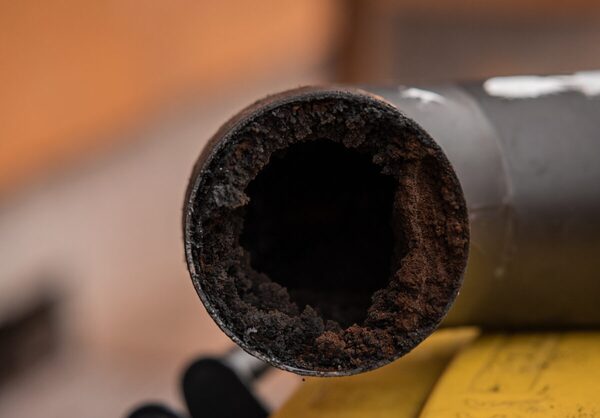
Smoke entering a room is usually a draught problem with a physical cause. Second degree creosote build-up can cause your chimney draught to become restricted, resulting in smoke and other gases such as carbon monoxide re-entering the room, and a significant chimney fire if deposits ignite14. Creosote is a highly flammable substance that can build up in your chimney, creating a major risk of a chimney fire14.
Ash is the other common cause. Excess ash reduces the airflow to your stove, leading to poorer burning and increased smoke22. A stove designed for wood has no grate at the bottom, because wood burns best on a bed of ash with air supplied from above23, so the ash bed is functional up to a point and obstructive beyond it.
Fuel moisture drives smoke at the source. Burning wet wood produces much less heat per log, significantly increased emissions, high amounts of soot on stove glass, large deposits of flammable creosote in the chimney, a risk of chimney fire, and incomplete combustion creating a huge increase in soot, carbon monoxide and other harmful pollutants7. Wet logs also release harmful particulates into the air in your home and outside8.
Overnight burning is the third factor. Leaving a fire to smoulder overnight increases soot build up, carbon monoxide levels, and can shorten appliance life24. Guidance is direct on the practice: do not leave a fire unattended to burn out overnight, and only slumber a stove if it is specifically designed to do so25. Neglecting a fire and not starving it of oxygen as you want it to die down could cause the stove to overfire, potentially costing hundreds of pounds in repairs25.
Reducing the risk: fuel choice, ventilation and stove settings
Fuel is the first variable a household controls. Ready to Burn wood fuel, whether firewood or briquettes, should be used in a wood burner, because burning wet, treated or waste wood causes problems9. Wood that is seasoned is often called dry, seasoned, or Ready to Burn wood, while wood that is not seasoned is often called unseasoned, wet, or green wood7. Late spring is generally the best time of the year to season wood7.
Using the wrong fuel has consequences beyond emissions. It can damage your stove, void your warranty, and even risk a chimney fire23. On a multifuel appliance, it is important not to burn multiple types of fuel at the same time, to avoid damaging the stove9.
Ventilation is the second variable, and it is a building regulations matter as well as a practical one. For biomass fuelled appliances, factors such as ventilation, noise and general safety should be taken into account26. Any new openings will have to comply with building regulations, which may impact thermal heat loss, structure, ventilation and fire safety27.
Fire safety around the appliance is the third. Always use a fire guard screen to prevent embers igniting nearby burnable materials, do not sit or stand too close, never dry washing next to the fire, and never leave a lit fire unattended28. The same logic that keeps barbecues outdoors applies indoors: as well as being a serious fire risk, indoor use deposits harmful toxic gases throughout your home28, and bringing propane cylinders indoors can create serious safety hazards, including carbon monoxide build-up and fire risk29.
Where the rules stand, and what they do not cover
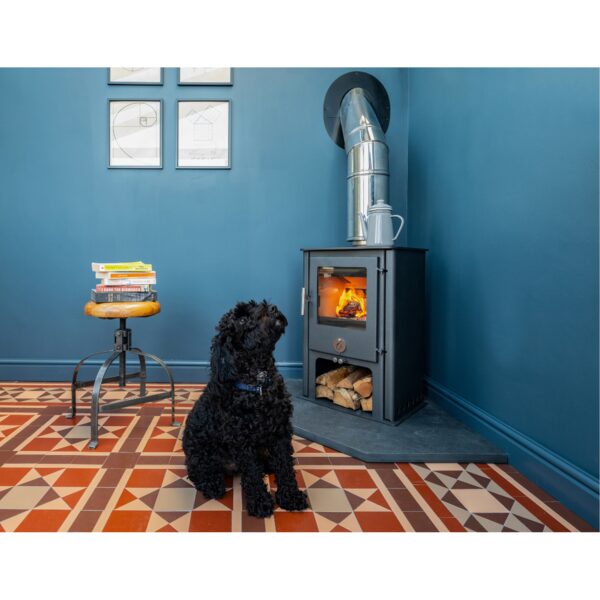
There is no ban on wood burners, and there are no new wood burner rules for 202631. That is worth stating plainly because the question of prohibition circulates widely. What is changing is the emissions framework: the emphasis is on cleaner air through tougher PM2.5 limits which will affect a range of sources, including domestic burning, transport and industrial emissions5.
Ecodesign is the appliance-side mechanism. It sets limits on what a new stove may emit, covering particulate matter (PM), organic gaseous compounds (OGC), carbon monoxide (CO) and nitrogen oxides (NOx)6. The published limit for an open fire burning wood is 50 mg/m36. These are type-approval figures for appliances placed on the market, and they say nothing about the air in a specific room on a specific evening.
For household energy independence, the picture is mixed and worth being exact about. A stove burning home-seasoned wood reduces reliance on a gas supplier and on the grid for that portion of heat, and it works during a power cut in a way that a gas boiler does not. What remains is dependence on a fuel supply that has to be bought, dried and stored, on a flue and chimney that need sweeping, on a manufacturer for parts, and on the household's own attention every time the stove is lit. The health evidence sits on the other side of the ledger: burning wood at home can cause harmful air pollution both in your home and outside it3, and the groups most affected are often the ones already managing a heart or lung condition15.
For households in rented or shared accommodation, where a stove may be fixed and ventilation limited, the relevant duties are set out in damp and mould in rented homes and ventilation in flats and apartments. Where a stove is one of several off-grid heating options, living off the gas grid covers the alternatives, and signs of carbon monoxide poisoning covers the symptom pattern in more detail. The wider context for household energy sits in the home energy guide.
Sources31 cited
- Clean Air Night: wood burner emissions, HETAS, 2026
- Air pollution: wood burners' impact, HETAS, 2026
- Homes and energy, Manchester City Council, 2026-09-20
- Holiday carbon monoxide safety tips, Northern Gas Networks, 2026-07-24
- Ban on wood burners, HETAS, 2025-12-15
- Ecodesign explained, HETAS, 2026
- How to season firewood, HETAS, 2026
- Safety advice for holiday properties, HETAS, 2024-08-19
- The 7 types of stoves explained, HETAS, 2026
- Biomass, Energy Saving Trust, 2026-05-22
- Biomass energy: definition, pros, cons and savings, Smart Energy GB, 2026-08-17
- Carbon monoxide poisoning, nidirect, 2026-09-17
- Guide to carbon monoxide safety, OFTEC, 2026-09-20
- What is creosote?, HETAS, 2026
- Gas safety and carbon monoxide, nidirect, 2025-11-24
- Guide to carbon monoxide safety, OFTEC, 2026-09-17
- Carbon monoxide, CIPHE, 2026-09-17
- When home improvements don't deliver comfort, Low Carbon Hub, 2026-01-30
- Beat the heat: how to stay cool in a heatwave, Cadent Gas, 2026-06-29
- Carbon monoxide, Health and Safety Executive, 2026
- Gas cookers, CO Gas Safety, 2026-02-13
- Why does my wood burner smell?, HETAS, 2026
- Wood, coal and smokeless fuel: which is right for your stove, HETAS, 2026
- Energy Savers Week: how to cut heating costs with your wood burner, HETAS, 2026
- How to put out your log burner, HETAS, 2026
- Building regulations: biomass fuelled appliances, Welsh Government, 2026-09-17
- What are the rules around fitting a log burner?, Planning Portal, 2026-09-17
- Fire safety in the home, Electricity North West, 2026-09-19
- Propane vs butane, Liquid Gas UK, 2026-09-20
- Smoke control guidance: local authorities FAQs, Welsh Government, 2025-07-30
- Wood burner rules 2026: Labour environmental plan, HETAS, 2026
 Generator SafetyCovers the main hazards of running a generator at a home: exhaust fumes and carbon monoxide, hot surfaces and refuelling fires, electric shock and earthing.
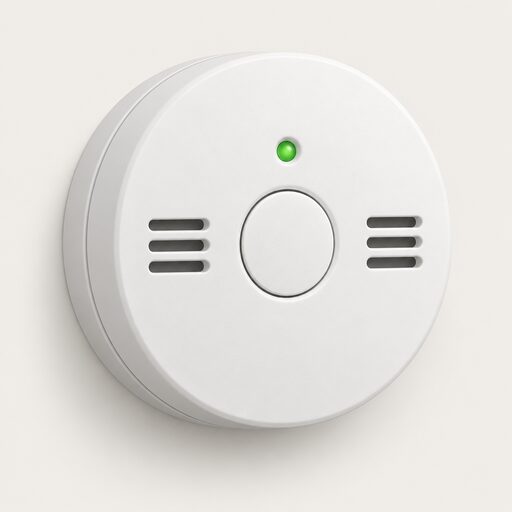 Carbon Monoxide SafetyHow carbon monoxide arises from gas, oil, LPG and solid fuel appliances, where alarms must be sited and what the requirements are in each UK nation.
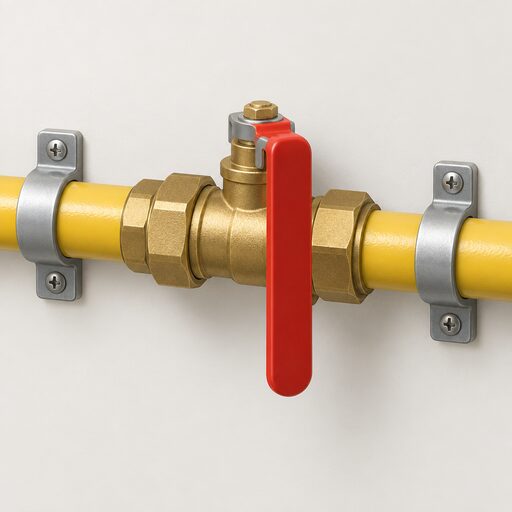 Smell Gas or Suspect COThe emergency steps for a suspected gas escape or carbon monoxide alarm, including ventilation, ignition sources and turning the supply off at the emergency control valve.
 Heatwaves and HealthWhich homes get dangerously hot in a heatwave, and which rooms?
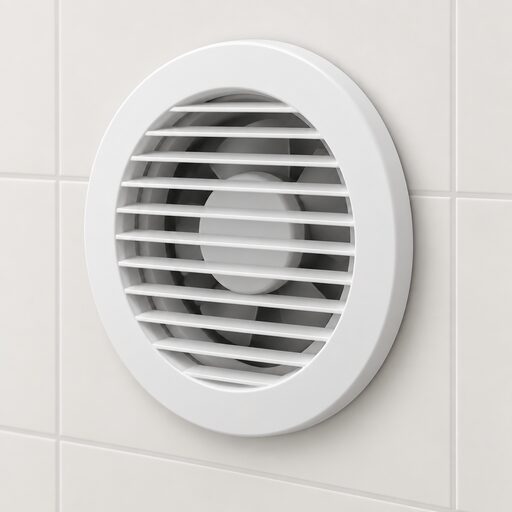 Ventilation in FlatsGetting enough fresh air into a flat is harder than a house, because you often have only one outside wall and neighbours on every other side.
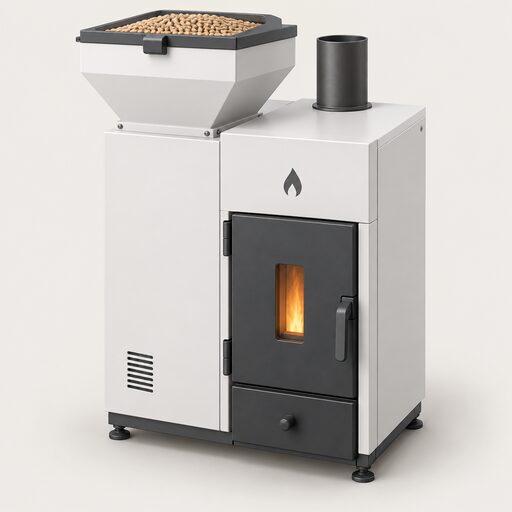 Biomass Boilers and StovesHow pellet and log biomass boilers and room stoves work in UK homes: the £5,000 Boiler Upgrade Scheme grant and its rural, off-gas-grid conditions, emissions limits, smoke control area law, fuel sourcing and the practical demands of storage and maintenance.