
In this answer
Short answer
A power cut in cold weather removes the two things a home relies on to stay warm: the boiler and the heat it has already stored. Gas supplies and meters usually continue to work normally during an electricity cut, but most boilers stop because they use electricity for pumps, fans and electronic controls, and electrical appliances stop with them1. The practical question is therefore not how to run the heating, but how to keep the people in the house warm while the heating is unavailable.
The evidence on how long a home holds its heat is indirect. Food safety guidance gives the clearest timings: food in a fridge stays safe for four to six hours without power if the doors stay closed, and 15 to 24 hours in a freezer that is not opened3. Those figures describe insulated boxes, not living rooms, but they set the scale of a winter outage: the first few hours are comfortable, and after that the house drifts towards outdoor conditions.
What follows is what the network operators, consumer bodies and safety organisations actually advise, from heating one person rather than a whole house to the overnight rules for electric blankets and the support available for households that cannot manage alone.
Why homes lose heat quickly in a power cut
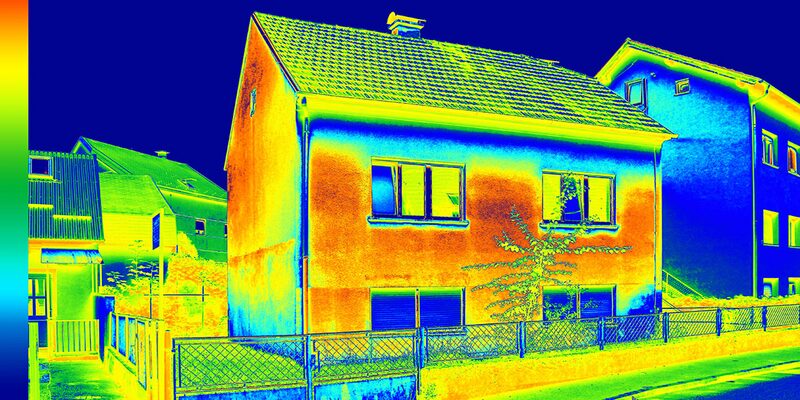
Heat loss is a property of the building, not of the outage, and the figures are stark. The Energy Saving Trust estimates that an un-insulated dwelling loses a third of all its heat through the walls and a further quarter through the roof7. Independent guidance puts roof loss at 25% of a home's heat, and notes that large, detached houses and bungalows lose a high proportion of their heat that way8. In extreme cases, some well insulated buildings lose 30% of their total heat through cold bridges, the junctions where one part of the fabric meets another10.
The result is that a cut in January is not a single event but a slow decline. A well insulated, modern flat may stay comfortable for many hours; a large, detached, poorly insulated house will cool much faster, and the rooms that cool first are the ones with the most external wall and roof. Scotland's house condition survey work, which draws on the same Energy Saving Trust estimate, treats fabric as the first line of defence, which is why insulation matters more than any appliance bought for the outage itself7.
Power cuts also arrive for reasons that have nothing to do with storms. Hot conditions can cause underground cables and substations to overheat, which may lead to interruptions, and cables and equipment becoming damaged is a common cause11. Winter cuts more often follow weather, but the household preparation is the same: assume the heating is off, and plan for the first six hours.
Heat the person, not the whole house
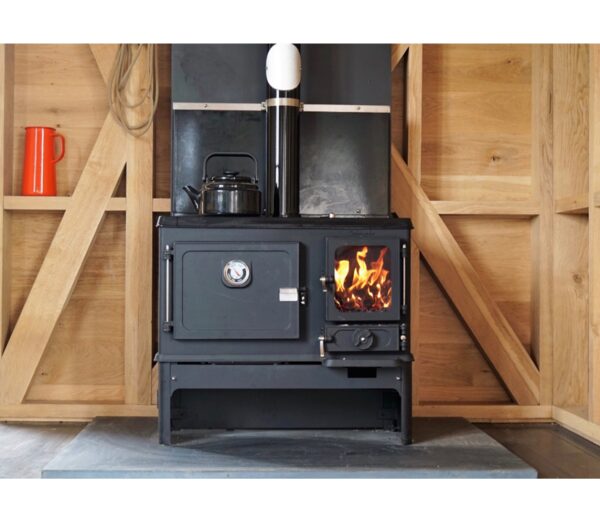
The most useful shift in a cut is from heating a space to heating a person. A well-maintained wood burner can provide zone heating, letting a household warm only the rooms it uses most rather than paying to heat the whole house, which is a particular advantage in older properties12. That principle, applied without a stove, means blankets, warm clothes and occupied rooms rather than an attempt to hold the whole building at temperature.
There is a limit to how far room-by-room heating helps. In smaller homes and flats it is rarely worthwhile heating an individual room, and it is generally better to heat the whole house13. The distinction matters in a cut: in a flat, closing doors and sharing one room is sensible; in a larger house, the same approach leaves cold rooms that will take longer to recover when power returns.
Households that cannot afford to heat properly already use a documented set of coping strategies, and several of them are dangerous. Reported strategies include going to bed early to stay warm, heating only one room or avoiding central heating altogether, spending the day in heated public spaces such as a library or cafe, using candles instead of lights, eating only cold meals, and using unsafe, unserviced heating appliances or inappropriate devices such as ovens to stay warm14. A power cut pushes households towards exactly those behaviours, which is why the safe options below matter.
"We have spoken to households around the UK, who are being forced to adopt dangerous coping strategies when they can't afford to heat their homes"
Among the strategies reported from households around the UK are going to bed early to stay warm, only heating one room or avoiding using central heating at all, spending the day in heated spaces such as a library, cafe or even A&E, and using unsafe, unserviced heating appliances or inappropriate devices like ovens to stay warm14.
Safe heating options when the boiler is down
The starting point is that the boiler is out of action. A blocked condensate pipe, whether by ice or anything else, will cause a boiler to shut down automatically as a safety measure, and that is a separate fault from the power cut itself15. Gas supplies and meters usually continue to work normally, so a gas hob may still light, but the central heating will not run without electricity2.
For households on the Priority Services Register, network operators can provide electric heating and cooking appliances, or alternative accommodation, to keep people safe and warm while they are without gas16. That is a support route rather than a household solution, and it depends on being registered before the cut.
Portable electric heaters are the obvious fallback and the one the guidance cautions against. Citizens Advice advises getting broken heating fixed as soon as possible so that households do not need to use portable electric heaters, which cost more to use17. A resistive heater also draws a large continuous load, which matters if the plan is to run it from a battery.
Storage heaters behave differently. Night storage heaters usually draw electricity from the grid overnight at a cheaper rate and disperse heat at a low and slow level through the day, and high heat retention electric storage heaters work on the same principle, heating up at night when off-peak rates apply and releasing that energy throughout the day18. In a daytime cut, a charged storage heater is one of the few heating sources that keeps giving out heat without any electricity at all.
Keeping warm overnight
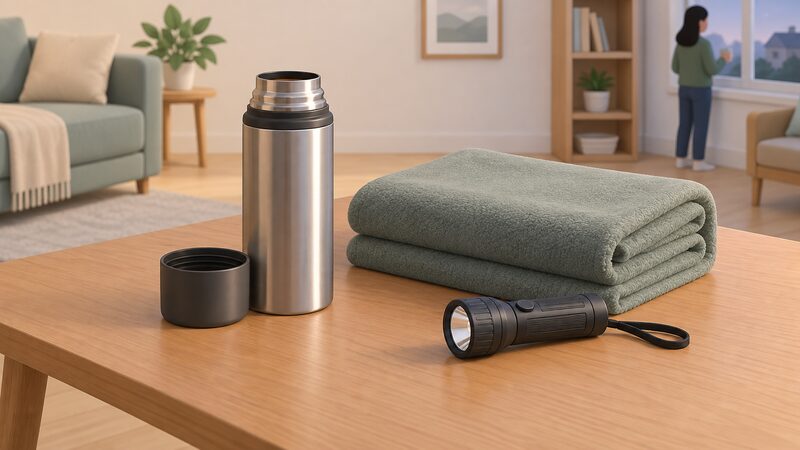
Overnight is when a cut is most uncomfortable and when the safety rules tighten. If an electric blanket is left on overnight, it should have temperature control settings to adjust the heat level and safety features such as automatic shut-off and overheat protection6. That is the standard to check before relying on a blanket through the night, and it applies whether or not there is a cut.
Two habits make the morning easier. Leaving at least one light switched on tells you when the electricity is back, and the same advice appears across operator guidance20. A battery-powered radio tuned to a local station keeps information coming when the internet and landline connections have stopped1.
For households with night storage heaters, the overnight window is also the recharge window. Because these units take their energy overnight at a cheaper rate and release it through the day, a cut that ends before morning allows the heater to charge normally; a cut that lasts through the night leaves the following day without stored heat18. That is the clearest example of how a power cut removes independence even from a heating system that does not burn gas.
Protecting vulnerable people during an outage

Some households cannot wait for the power to return. Network operators prioritise customers within the agricultural industry, rural communities and those who have critical healthcare needs in their winter preparation campaigns22. For customers with poor mobility, Electricity North West can provide hot food and drinks, or where appropriate overnight accommodation, if a power cut continues over a long period23.
The Priority Services Register is the mechanism that makes this work, and it is worth joining before winter rather than during an outage. It is free, and it tells the operator in advance about medical equipment, mobility needs and other circumstances. The Priority Services Register page covers eligibility and how to join, and Northern Ireland has its own version in the Customer Care Register.
Consumer bodies argue that protection should not be seasonal. People in vulnerable circumstances should be protected from disconnection all year round, not just in winter24. The Energy Ombudsman's Extra Help Unit supports vulnerable consumers by raising complaints with energy suppliers on their behalf, particularly where there is a risk of disconnection or where personal circumstances are complex25. During a cut, the first call is still 105, which connects a household to its network operator and records the need for support5.
Preparing before the next cut
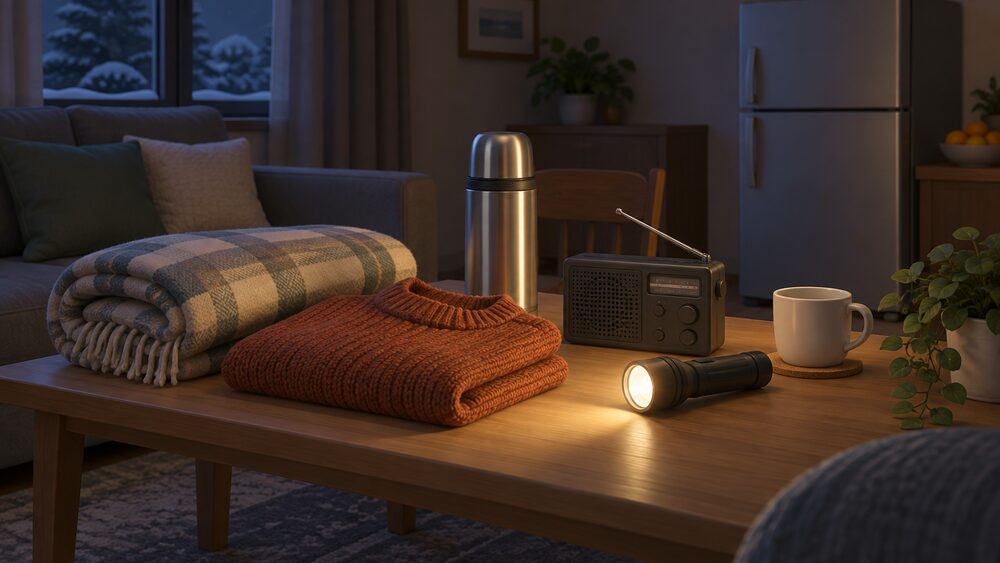
Preparation splits into what to have ready and what to do in the hours before a known cut. Network operators suggest charging a mobile phone, keeping a torch nearby, keeping a battery-powered radio tuned to a local station, keeping a note of key contacts, checking on neighbours, keeping warm with a thermos flask, and saving work regularly26. A torch and spare batteries in the house, and a light left on to signal the return of power, are the basics21. Warm clothes and blankets should be accessible in case a cut is prolonged27.
For a planned cut, there is one counter-intuitive instruction. Households should refrain from using more electricity in preparation, such as boiling kettles for flasks or charging phones, because the system is already struggling with demand and a surge from other areas may make the situation more unstable27. Freezers are the exception: turning the temperature settings down a couple of hours before a planned cut helps preserve the contents28.
A written plan is more useful than a cupboard of equipment. The winter power cut preparation page sets out the sequence, and the power cut food safety page covers fridge and freezer timings in detail. Households that rely on powered medical equipment should look at help during a power cut if you rely on medical equipment, and anyone weighing a battery for lights and phones rather than heating should start with portable power stations and what size portable power station you need.
Sources28 cited
- Storms and bad weather, Energy Networks Association
- Gas supply updates, SGN
- What to do in a power cut, Which?
- Emergency power cuts, Electricity North West
- Power cut 105, Power Cut 105
- Electric blankets, Electrical Safety First
- Scottish House Condition Survey 2024: key findings, Scottish Government
- Top energy savings tips, National Energy Action
- How to make your home more energy efficient, Which?
- Home energy efficiency, Centre for Sustainable Energy
- Be summer ready, Electricity North West
- How to cut heating costs with your wood burner, HETAS
- Heat the whole house or one room, Uswitch
- Lived experience: not coping strategies, National Energy Action
- How to thaw a frozen boiler condensate pipe, Which?
- Priority Services Register, SGN
- Make sure your home is energy efficient, Citizens Advice
- The best heating for your home, Which?
- Heating systems, AgilityEco
- Tips to help you during a power cut, Electricity North West
- Power cuts help, NIE Networks
- Winter ready, NIE Networks
- Extra support for poor mobility, Electricity North West
- Priorities for heat networks consumer protections, Citizens Advice
- Worried about your energy bills, Energy Ombudsman
- Preparing for a power cut, SSEN
- Is there any action I should take in preparation, NIE Networks
- Tips to prepare for a power cut, Electricity North West
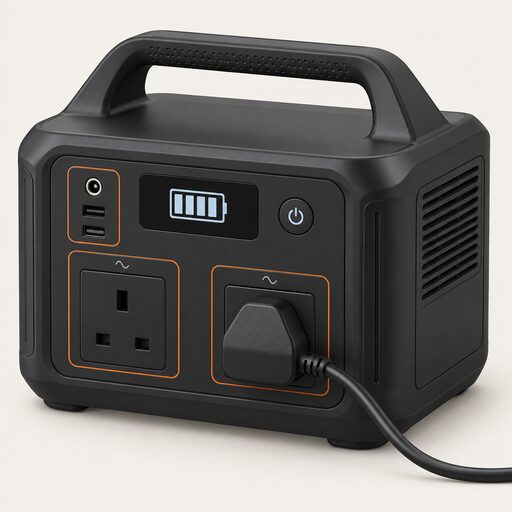 Backup Power for HeatingWhy gas boilers, heat pumps and storage heaters stop in a power cut, what a portable power station can and cannot carry, how to size one, and what home battery systems do when the mains fails.
 Prepare a Home for a Power CutA household checklist for before, during and after an outage: what to keep charged and to hand, which appliances to switch off, how long food stays safe and what to do about medical equipment.
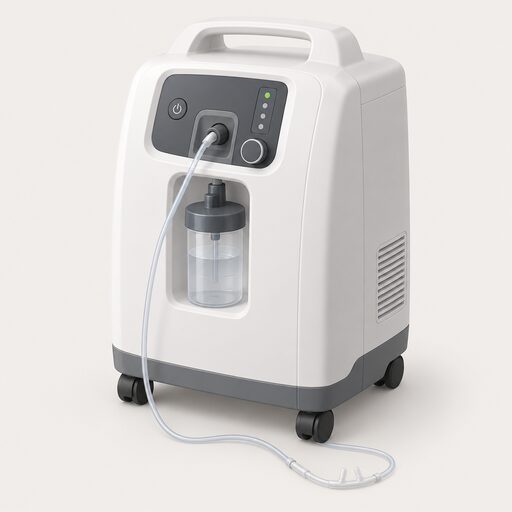 Vulnerable Households EnergyIf someone in your home relies on powered medical equipment, or needs extra warmth because of a health condition, what help is available?
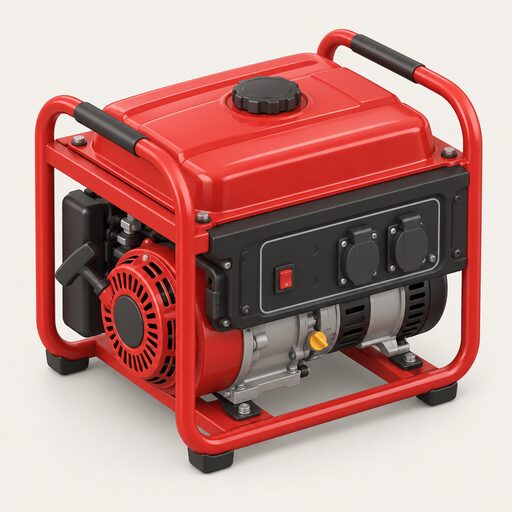 The Full Backup Power GuideHow long do UK power cuts usually last, and what can keep your fridge, heating or phone going until the power comes back?
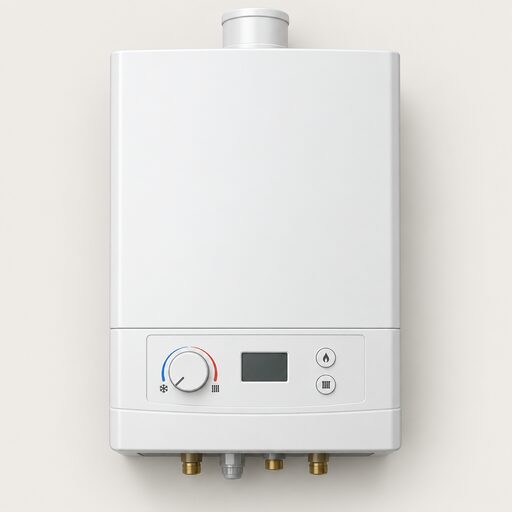 Flow TemperatureTurning down your boiler flow temperature can cut your gas bill, but how low can you go before the house feels cold?
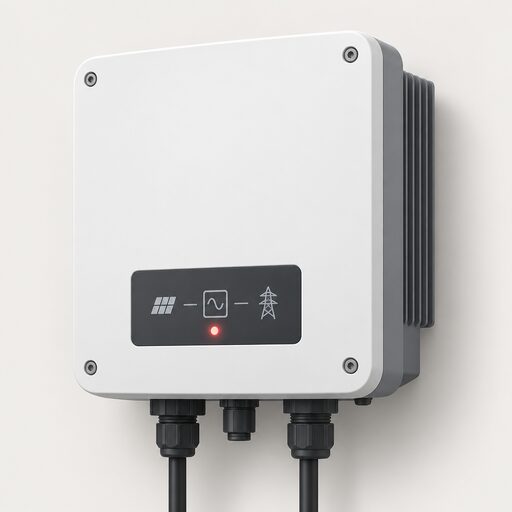 Islanding and Anti-IslandingWhy do solar panels switch off in a power cut, and can you keep the lights on anyway?