
In this guide
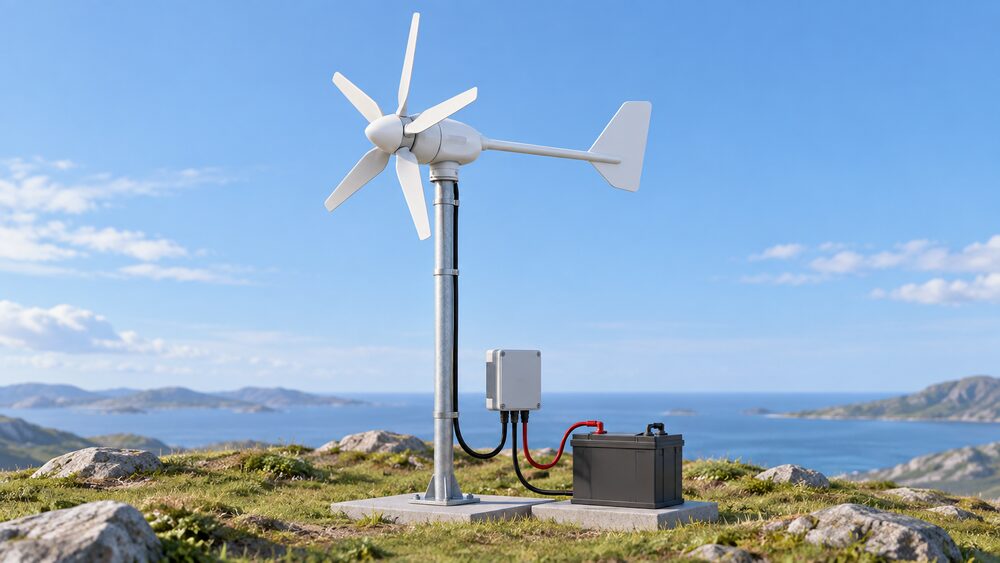
Rutland Windchargers are micro wind turbines built in the UK by Marlec for charging batteries rather than for exporting to the grid. The range covers the 504, 505, 914i, 1200, VertX 360, FM910-4 Furlmatic and FM1803, sold in 12V, 24V and 48V nominal versions depending on the model1. They are aimed at boats, off-grid homes, static caravans, telecom sites and remote installations where a mains connection is costly or impractical4.
The best-known model is the 914i, rated at 140W in an 11 m/s wind with a cut-in wind speed of 3.1 m/s, and listed at £724.14 for the turbine alone1. Kit versions that add a controller and mounting hardware run from £1,482.31 to £1,746.581. At the top of the range the FM1803 is a much larger machine with an 1800mm turbine diameter and a packed weight of 74kg4.
Every Rutland Windcharger carries a 2 year warranty from the date of purchase, and every one is designed, developed and manufactured in the UK by Marlec1. What they do not do is remove a household from the grid on their own: they charge a battery bank, and the household still depends on that battery, a charge controller and, in most cases, a backup source.
The range at a glance: 504, 914i, 1200 and FM1803
Marlec sells the Rutland range as a ladder of sizes rather than a single product. The 504 is the smallest and simplest, a 12V machine with a 3 m/s cut-in, listed at £487.30 and marketed for boats and marine use2. The 505 sits just above it at £706.26, also aimed at boats and marine applications, and paired with the Marlec SMR1 12V controller8.
The 914i is the mid-range workhorse, designed for marine use and narrowboats, with a 910mm turbine diameter, a turning radius of 557mm and a net weight of 11.58kg1. It is offered in 12V and 24V versions1. The 1200 is the next step up, rated at 290W in an 11 m/s wind with a 2.5 m/s cut-in, and sold in 12V and 24V forms with a remote display available as an accessory10.
Above that sit the specialist machines. The 1200 Terrain is a land-based variant available in 12V, 24V and 48V, with a 1200mm turbine diameter, a minimum tower height of 6m on land and a price range of £1,588.81 to £1,776.643. The VertX 360 is a vertical axis design at £1,413.00, intended for locations where direct wind is not guaranteed13. The FM910-4 Furlmatic is described as the engineer's choice of micro wind turbine for battery charging at off-grid locations, with a low friction three phase brushless generator5. The FM1803 is the largest, with an 1800mm diameter and a packed weight of 74kg4.
| Model | Type | Cut-in | Rating | Price |
|---|---|---|---|---|
| 504 | 12V marine | 3 m/s | Not stated | £487.302 |
| 505 | 12V marine | Not stated | Not stated | £706.268 |
| 914i | 12V/24V marine and narrowboat | 3.1 m/s | 140W at 11 m/s7 | £724.141 |
| 1200 | 12V/24V | 2.5 m/s | 290W at 11 m/s10 | From £147.9010 |
| 1200 Terrain | 12V/24V/48V land | Under 3 m/s3 | 290W at 11 m/s3 | £1,588.81 to £1,776.643 |
| VertX 360 | Vertical axis | Not stated | 46W at 11 m/s13 | £1,413.0013 |
| FM910-4 | Off-grid battery charging | 3 m/s | Not stated | £903.765 |
| FM1803 | Large off-grid | Not stated | Not stated | Over £3,0004 |
Output and cut-in: what each model delivers at real wind speeds
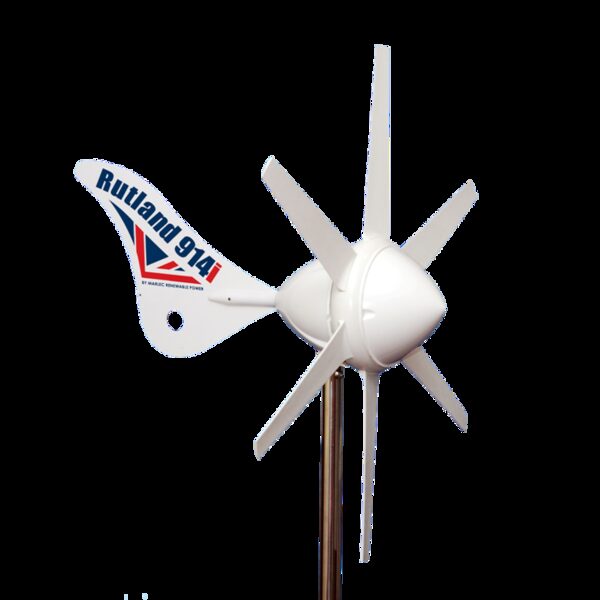
The published output figures are measured at specific wind speeds, and reading them without the wind speed attached overstates what a turbine will do in a typical UK garden. The 914i is rated at 140W in an 11 m/s (24.6 mph) wind, and the model-level table gives 143W at 11 m/s in both 12V and 24V forms, with 24W at 5 m/s and 262W at 15 m/s1. The current figures tell the same story in amps: 1.7A at 5 m/s on 12V, 10.3A at 11 m/s on 12V, and 18.9A at 15 m/s on 12V1.
The 1200 is rated at 290W in an 11 m/s wind, with a cut-in of 2.5 m/s10. The 1200 Terrain publishes 40W at 5 m/s across its three voltages, with current varying by voltage: 2.9A on 12V, 1.45A on 24V and 0.75A on 48V3. The VertX 360 produces 5W (0.4A) at 5 m/s and 46W (3.8A) at 11 m/s13.
Cut-in is the wind speed at which charging begins, and it matters more than the peak rating for most sites. The 1200 starts at 2.5 m/s, the 504 and FM910-4 at 3 m/s, and the 914i at 3.1 m/s7. The 1200 Terrain is described as having a very low cut-in that starts charging below 3 m/s (6mph/9kmph), though the same page also gives 2.5 m/s, and the two figures are not reconciled3.
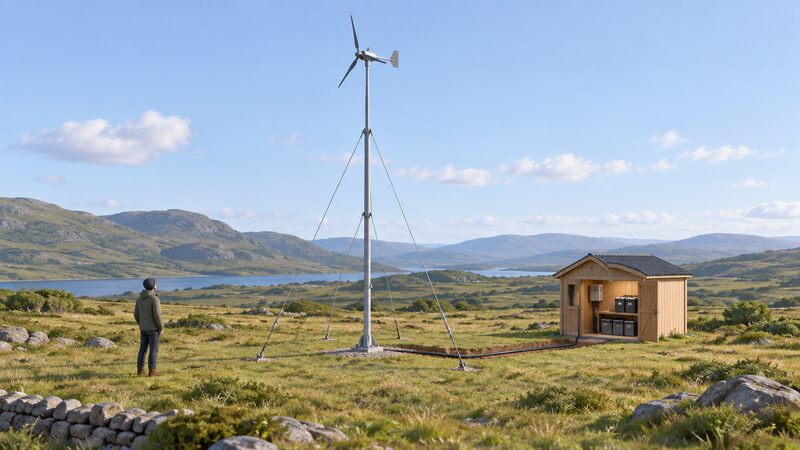
Independent guidance is blunt about siting: small wind systems work best in exposed, windy locations and are less suitable for built-up or sheltered areas14. That is the single biggest determinant of whether a Rutland Windcharger produces useful energy, and it is why the same model can perform very differently on a coastal mooring and in a suburban garden. More on matching a machine to a site is at wind turbine output and sizing and wind speed and siting.
Specifications and voltage options: 12V, 24V and 48V variants
Voltage choice is the first decision, because the turbine must match the battery bank it charges. The 504 and VertX 360 are 12V only2. The 914i comes in 12V and 24V versions1. The 1200 is offered in 12V and 24V, with a remote display available as an accessory10. The 1200 Terrain goes further and is available in 12V, 24V and 48V nominal output voltages3. The FM1803 is offered in 12V, 24V and 48V variants with an MPC2 controller4.
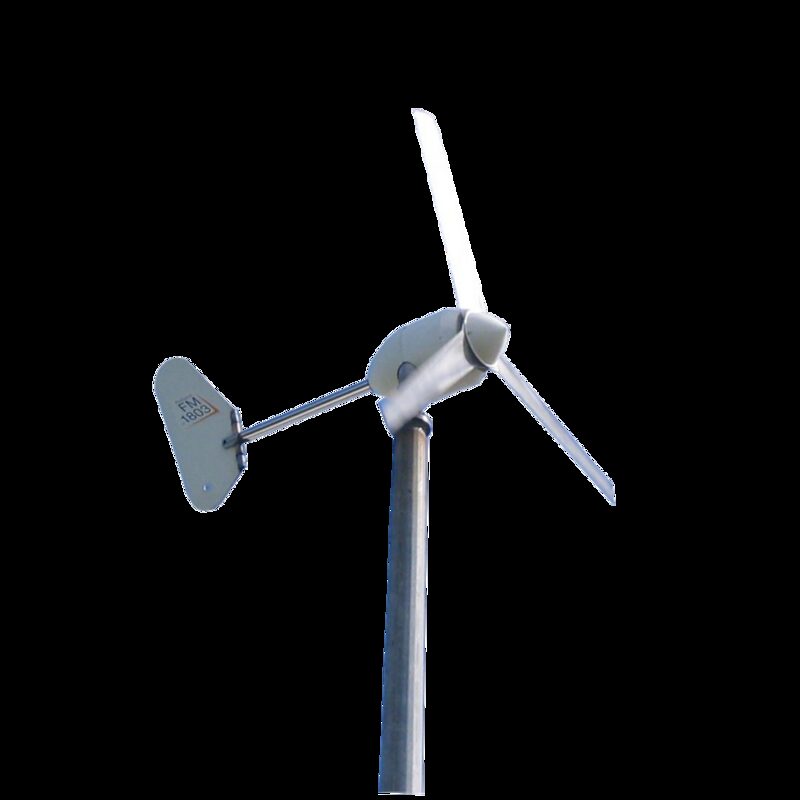
The mechanical specification is consistent across the range. The 914i uses a low friction three phase brushless generator with a slipring for 360 degree free rotation and low brush wear, a 910mm turbine diameter, a 557mm turning radius and a net weight of 11.58kg1. The FM1803 uses the same generator type and slipring arrangement, with an 1800mm turbine diameter and a 1145mm turning radius4. The 1200 Terrain uses a low friction brushless three phase alternator with high specification rare earth magnets, a slipring and brush gear for 360 degree free rotation, a 1200mm turbine diameter and a 620mm turning radius3.
The FM910-4 Furlmatic uses a low friction three phase brushless generator and is built from precision worked materials in the UK factory5. The 914i ships packed at 13.1kg in a 370 x 300 x 450mm box1.
| Specification | 914i | 1200 Terrain | FM1803 |
|---|---|---|---|
| Turbine diameter | 910mm1 | 1200mm3 | 1800mm4 |
| Turning radius | 557mm1 | 620mm3 | 1145mm4 |
| Generator | Low friction 3 phase brushless1 | Brushless 3 phase with rare earth magnets3 | Low friction 3 phase brushless4 |
| Yaw | Slipring, 360 degrees1 | Slipring and brush gear, 360 degrees3 | Slipring, 360 degrees4 |
| Net weight | 11.58kg1 | Not stated | 74kg packed4 |
MPPT technology and how the turbines govern themselves
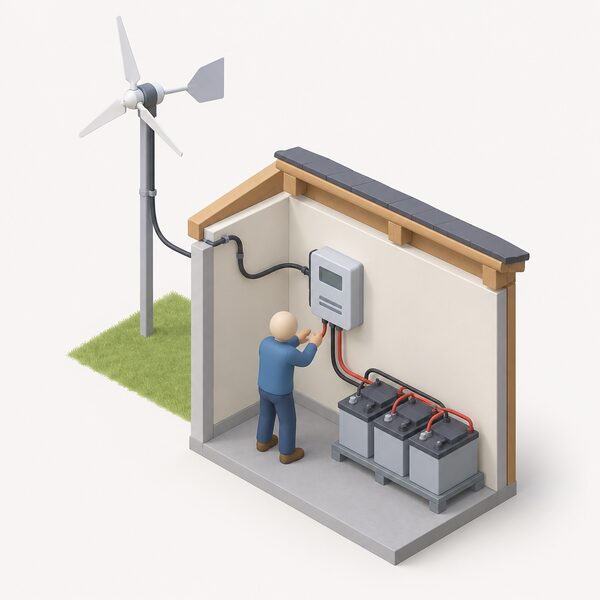
The 914i uses built-in Maximum Power Point Tracking, which Marlec describes as matching the generator performance to the turbine speed to achieve higher efficiency and more power generation1. MPPT is the same principle used in solar inverters, where the electronics adjust voltage and current to extract the maximum possible power from the source at any moment15. In a wind turbine the tracking has to cope with a source whose speed and voltage vary constantly, which is why the controller is as important as the turbine.
The controllers differ by model. The HRSi Regulator 12/24V handles one Rutland 914i, FM910-4 Furlmatic or 504 Windcharger, and is suitable for charge regulation on lead acid, gel and AGM batteries17. The 1200 Terrain's MPPT Terrain Controller operates with lead acid, AGM and gel batteries by design, and other battery technologies can be programmed using the Rutland Controller Interface Cable and PC app3. The 505 pairs with the Marlec SMR1 12V controller8.
Governing is how a turbine protects itself when the wind rises. The 914i lists no governing devices1. The 1200 Terrain uses electronic stalling for electrical protection and to prevent over-charging3. The FM1803 uses a tail fin that mechanically furls at 15 m/s to reduce turbine speed4. These are different engineering answers to the same problem, and they matter because a turbine that cannot shed power in a gale relies on the controller and the battery to absorb it.
"utilizing Maximum Power Point Tracking (MPPT) technology to perfectly match the generator performance to the turbine speed achieving a higher efficiency and thus more power generation"
Where they fit: boats, off-grid homes and remote sites
The Rutland range is a battery-charging product, not a grid-export product, and that shapes where it belongs. The 504 and 505 are both listed under Boats & Marine2. The 914i is designed for marine use and for use on narrowboats, and a marine mounting kit is sold to mount it on boats7. The 1200 is offered in a marine variant with a Tri-namic profile blade11.
On land, the FM910-4 is aimed at low energy use at isolated sites, off-grid street lighting, static caravans and remote homes21. The FM1803 targets agriculture and pumping, energy for off-grid homes, telecom sites and security camera systems21. The 1200 Terrain is the land-based version of the 1200, with a minimum tower height of 6m on land3.
Independent guidance supports the same conclusion: small wind is especially practical for remote areas where connecting to the grid may be costly or challenging6. That is the case where a Rutland Windcharger earns its place, because the alternative is a long and expensive cable run or a generator. In a home already connected to the mains, the economics are different, and the turbine competes with a grid supply that is already paid for.
The dependence that remains is worth stating plainly. A Rutland Windcharger charges a battery bank, so the household depends on that bank, on a charge controller, and on the battery technology the controller supports. It does not remove the need for a backup source in a still, dull week, which is usually a generator, a mains connection or a larger solar array. For a fuller picture of how these systems are assembled, see off-grid wind power and micro wind vs solar PV for an off-grid home.
Prices: £487.30 for the Rutland 504 to £1,776.64 for the 1200 Terrain
Published UK prices run from £487.30 for the 12V Rutland 504 Windcharger and £706.26 for the Rutland 505, through £903.76 for the FM910-4 Furlmatic, to £1,413.00 for the VertX 360 and £1,588.81 through £1,776.64 for the 1200 Terrain; the marine version of the 1200 is listed from £177.48 through £1,588.81, reflecting part and kit options rather than one machine. Running costs sit alongside the purchase: maintenance on small wind turbines typically costs between £100 and £200 depending on system size, and inverter replacement on a larger system usually costs between £1,000 and £2,000.
Prices across the range are published by the maker and vary widely with size. The 504 is £487.30, the 505 £706.26, the 914i £724.14, the FM910-4 £903.76, the VertX 360 £1,413.00, the 1200 Terrain £1,588.81 to £1,776.64, and the FM1803 over £3,0001. The 1200 is listed from £147.90, which reflects a range of variants and accessories rather than a complete turbine at that price10.
Kit pricing shows what a working installation adds. The 914i Solo Kit is £1,482.31, the Duo Kit £1,612.31 and the Duo Expert Kit £1,746.58, against £724.14 for the bare turbine1. The gap between the turbine and the kit is the controller, mounting and cabling that turn a machine into a system.
Independent cost guidance for small wind covers the wider picture. Maintenance typically costs between £100 and £200 depending on the size of the system, and replacing an inverter on a larger system usually costs between £1,000 and £2,0006. Those figures are for small wind generally rather than Rutland specifically, but they describe the ongoing cost a household should expect beyond the purchase price. Wider cost context for domestic wind is at domestic wind turbine cost and wind turbine maintenance cost.
Warranty, UK manufacture and combining wind with solar
Marlec warrants its products for 2 years from the date of purchase, and that term is stated consistently across the 504, 505, 914i, 1200, VertX 360 and FM910-4 pages1. It is a manufacturer warranty on the turbine, and it does not cover batteries, mounting structures or installation work, which carry their own terms from their suppliers.
Manufacture is domestic. Rutland Windchargers are designed, developed and manufactured in the UK by Marlec, supported from Corby4. The same wording appears on the 914i, 1200, 1200 Terrain, VertX 360 and FM910-4 pages, and the FM910-4 refers to precision worked materials in the UK factory1. UK manufacture shortens the supply chain for spares and service compared with imported micro wind turbines, which matters for a product expected to run for years in a marine or remote environment.
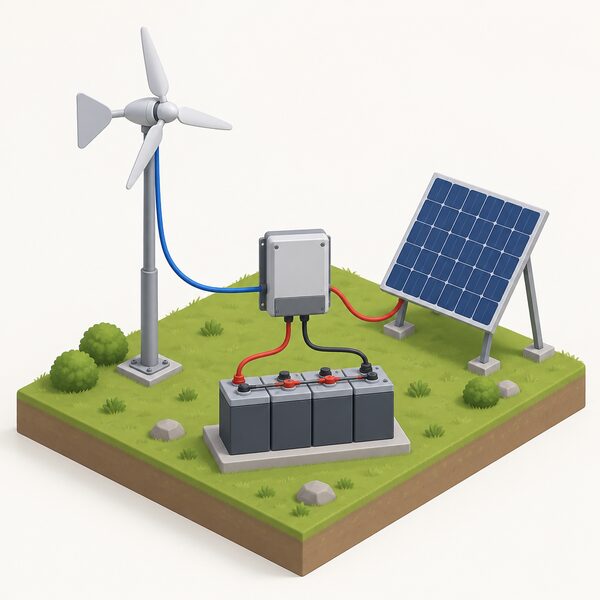
Combining wind with solar is supported on the larger models. The Rutland 1200 Marine Hybrid Controller accepts input for solar panels, and the Rutland 1200 Controller offers hybrid control to combine the turbine with up to 20A of solar panels10. That pairing suits off-grid sites because wind and solar peak at different times and in different weather, so the battery sees a steadier charge across the year. The controller must be sized for the combined input, and the battery bank must be able to absorb it.
The independence this buys is partial and specific. A Rutland Windcharger plus solar plus a battery bank can carry a remote site through much of the year without a generator, and it keeps the household off a gas or electricity supplier for the loads it serves. What it does not do is remove the dependence on a battery bank that will need replacing, a controller that can fail, and a manufacturer for spares. For a boat or an off-grid property, that is a reasonable trade. For a mains-connected home, the grid remains the cheaper and more reliable source, and the turbine is a supplement rather than a replacement. The wider picture is at microgeneration and energy independence and Marlec Engineering.
Sources21 cited
- Rutland 914i Windcharger, Marlec, 2026-08-26
- 12V Rutland 504 Windcharger, Marlec, 2026-08-26
- Rutland 1200 Terrain Windcharger, Marlec, 2026-08-19
- Rutland FM1803, Marlec, 2026-08-22
- Rutland FM910-4 Furlmatic Windcharger, Marlec, 2026-08-07
- Small Wind Turbines, MCS Certified, 2026-08-18
- Rutland 914i Windcharger, Wind and Sun, 2026-09-20
- Rutland 505 Windcharger, Marlec, 2025-08-06
- Bundle 2, Marlec, 2021-01-04
- Rutland 1200 Windcharger, Marlec, 2026-09-20
- Bundle 11 1200 with Regulator, Marlec, 2026-09-17
- Bundle Option 20 1200 12V with Remote Display, Marlec, 2023-10-24
- Rutland VertX 360 Windcharger, Marlec, 2025-12-16
- Wind Turbines, Energy Saving Trust, 2026-05-20
- Solar Glossary for Beginners, Astronergy, 2026-09-17
- A Comprehensive Guide of Micro Inverter Solar System, Solax Power, 2025-09-19
- HRSi Regulator 12/24V, Marlec, 2026-08-22
- Bundle 3 914i 24V, Marlec, 2021-01-04
- Marlec Windchargers, Wind and Sun, 2026-09-20
- Off-Grid Wind Turbines, Wind and Sun, 2026-09-20
- Wind Power, Marlec, 2026-05-18
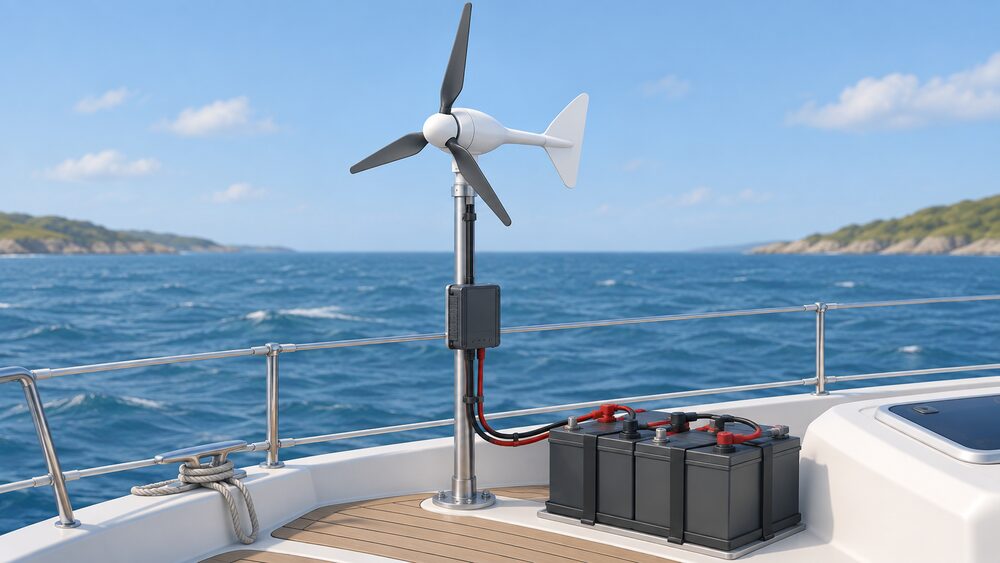 Marlec EngineeringMarlec Engineering has built Rutland Windchargers in the UK since 1978, with over 100,000 units sold worldwide and a 2 year warranty.
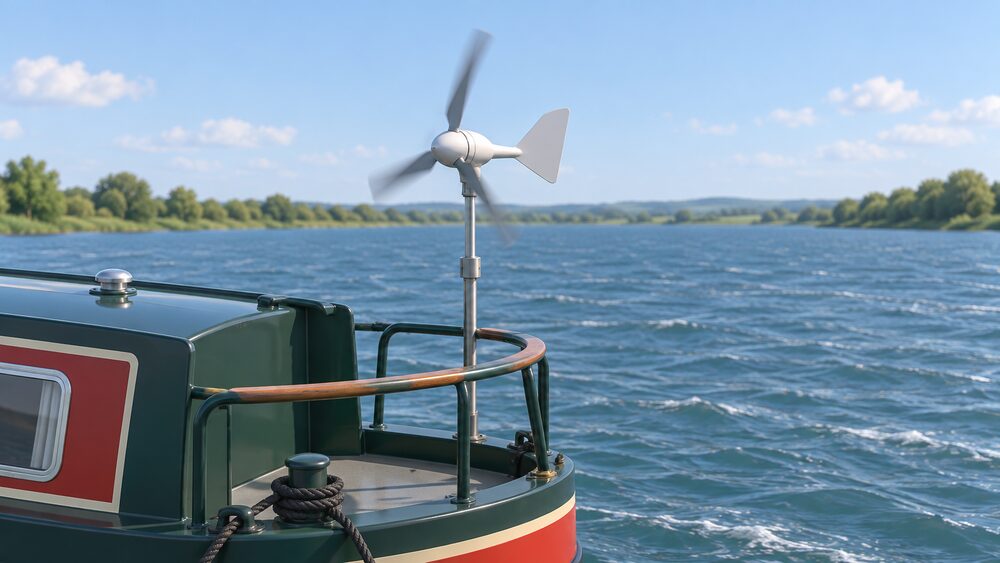 Rutland 914i WindchargerHow much power does a Rutland 914i actually make in real wind, and is it worth fitting on a boat or off-grid setup?