
In this answer
Short answer
An unvented hot water cylinder stores hot water at mains pressure, with no cold water feed tank above it. That is what gives it a strong, consistent flow to several taps at once, and it is also why it is treated as a pressurised vessel rather than a simple tank. Official guidance for Northern Ireland states that unvented hot water storage systems should incorporate a minimum of two independent safety devices in addition to any thermostat1.
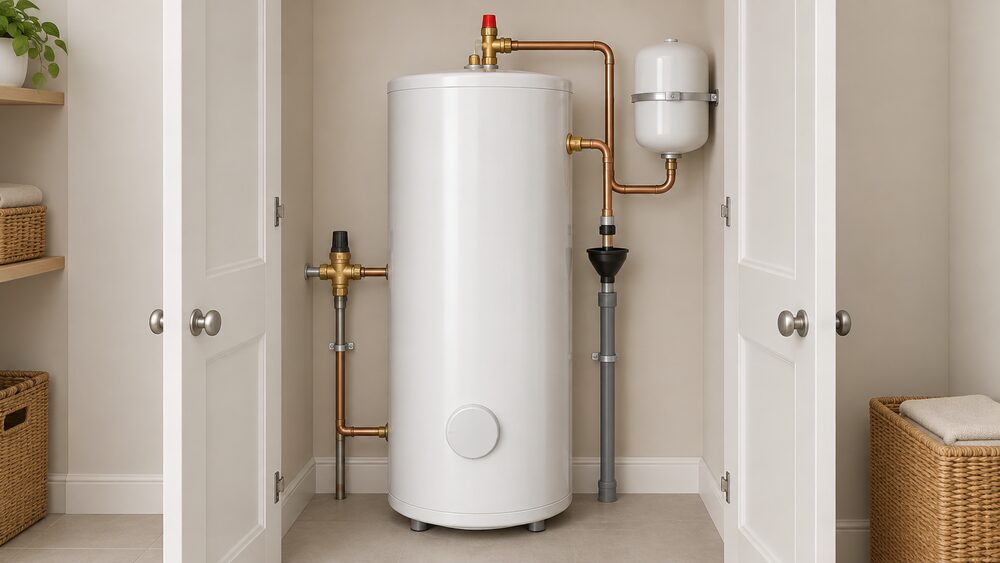
In practice those devices are a temperature and pressure relief valve and a pressure reducing valve, supported by an expansion vessel that absorbs the pressure change as the water heats2. A tundish sits on the discharge pipe so that anyone can see when a relief valve has opened3. The cylinder itself is fed directly from the cold water mains and uses mains pressure, with no separate cold water storage tank2.
The rules that govern this are building regulations, and they apply to the system rather than to the fuel. The regulatory framework governing unvented hot water systems has not changed, and the same statutory safety requirements apply regardless of heat source, so a cylinder heated by a gas boiler, a heat pump or an immersion element is covered in the same way4. Responsibility for compliance rests with the installer, designer or builder undertaking the work4.
What an unvented system must have: two independent devices plus a thermostat
The starting point is the count. The minimum is two independent safety devices, and they sit in addition to the thermostat rather than including it1. Independence is the operative word: the devices must not share a single point of failure, so that one sticking valve cannot leave the cylinder with no protection at all.
The components that make up that set are consistent across maker guidance. An unvented cylinder requires an expansion vessel to be fitted to allow the expansion of water in the system as it heats up, along with pressure relief valves and twin thermostats10. Another maker describes the same package as a pressure-reducing valve and a temperature and pressure relief valve11. A third lists temperature and pressure relief valves, expansion vessels and discharge pipes for safe pressure release12.
Each does a different job. The pressure reducing valve regulates the pressure of the incoming cold water, so the cylinder and its fittings see a controlled supply rather than the full mains pressure13. The expansion vessel manages the changes in pressure within the system as the water within heats up13. The temperature and pressure relief valve is the final defence, opening if either limit is approached.
The thermostat is the ordinary control, not a safety device. It stops the cylinder becoming hotter than it needs to be, and once the water reaches the set temperature the heat supply from the boiler is turned off14. The safety layer exists for the case where that control fails or the heat source keeps running.
The tundish: why it is required and what it does
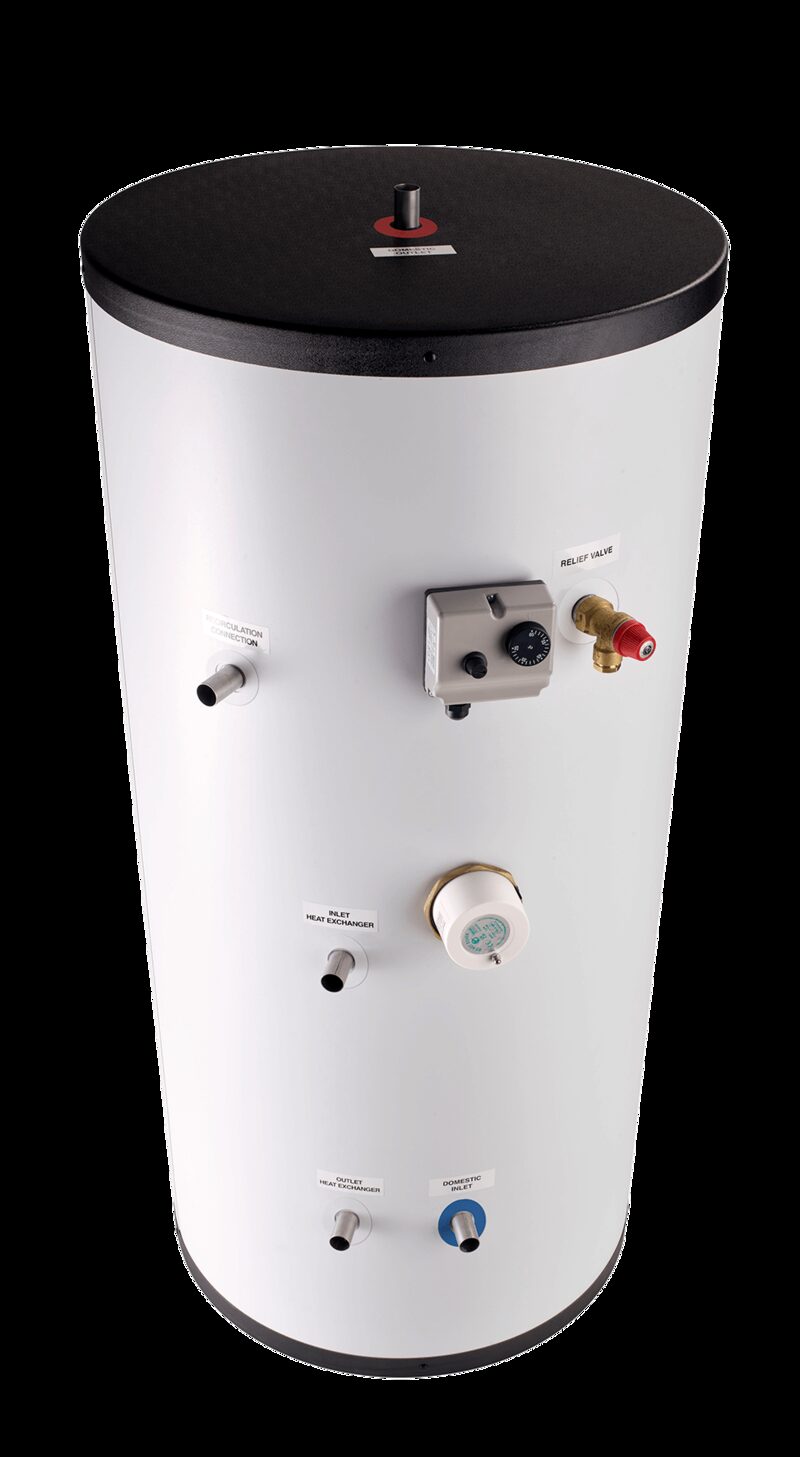
Because the system operates under high pressure, some safety devices are required, including a tundish3. It is a small, unglamorous fitting, and it is the one part of the safety chain a householder can check at a glance.
A tundish is a device placed close to the pressure release valve that allows people to see if water has escaped the system due to excessive water pressure, and it prevents cross-contamination between an overflow pipe and a drain pipe15. The air gap is the mechanism: it provides a visible break in the pipe run through which someone can see if water is flowing from the pressure release valve, and it blocks unsanitary drain pipe water entering the system15.
That dual purpose matters. Without the air gap, a discharge pipe connected straight to a drain could allow waste water to be drawn back towards the cylinder in a pressure drop. With it, any discharge is visible and the potable side stays separated.
The same arrangement appears in heat interface units, where a tundish drain is used to dissipate the heating safety valve from an over-pressurised state16. The principle is identical: give the discharge somewhere safe to go, and make it visible.
BS 7206 and the standards an unvented cylinder must meet
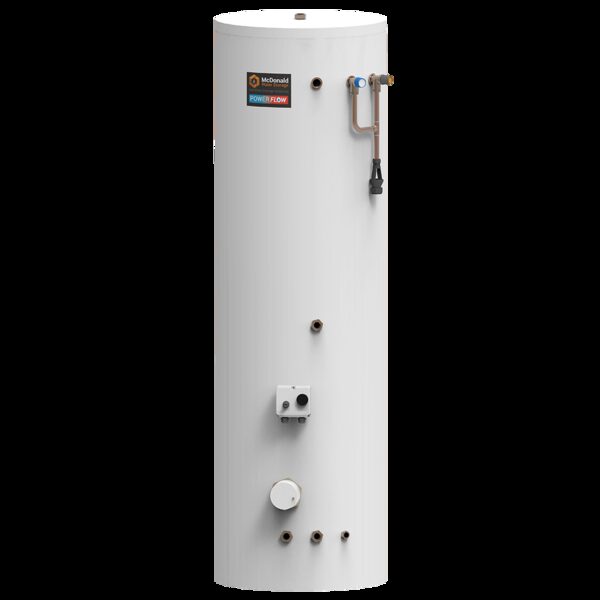
BS 7206: 1990 is the specification for unvented hot water storage units and packages17. It is the standard that historically defined what an unvented unit and its associated safety package had to be.
Current official guidance points elsewhere for new work. Approved Document L Volume 1, published in April 2026, states that copper hot water storage combination units should comply with BS 3198, vented cylinders with BS 1566-1 or BS EN 12897, and unvented hot water storage system products with BS EN 128978. Copper sheeting and fixtures in the construction of domestic hot water cylinders is comprehensively covered in BS 1566 and BS 12897 for vented and unvented cylinders respectively18.
The practical point for a householder is that the standard is marked on the cylinder and its paperwork. A cylinder that meets the current standard will carry the manufacturer's name and the relevant designation, and the manufacturer's name is one of the required label items on hot water storage vessels19.
The building regulations apply to the system, not just the vessel. They bite where the system is supplied directly from the water mains with no open-ended pipe for venting and with a storage capacity greater than 15 litres5. Below that threshold, or with an open vent, the unvented regime does not apply in the same way.
| Item | Standard or rule | Source |
|---|---|---|
| Unvented hot water storage system products | BS EN 12897 | 8 |
| Vented cylinders | BS 1566-1 or BS EN 12897 | 8 |
| Copper hot water storage combination units | BS 3198 | 8 |
| Unvented units and packages | BS 7206: 1990 | 17 |
| Capacity threshold for building regulations | greater than 15 litres | 5 |
Who supplies and fits the safety devices: the maker's role
The safety devices arrive with the cylinder, not as an aftermarket addition. Manufacturers have a key responsibility to ensure that their products meet all relevant safety legislation, as well as health and environmental protection requirements20. On a factory-built unit that means the relief valve and the tappings for the expansion vessel and pressure reducing valve are part of the product.
One maker's unvented water heaters are factory fitted with a 7bar/90ºC pressure and temperature relief valve9. That single figure tells a householder what the valve is set to release at, and it is the kind of detail that should match the label on the unit.
The installation side is where the qualification sits. An unvented hot water cylinder must be installed by a G3 qualified installer to ensure safety and comply with building regulations21. These systems are more expensive to install as they require G3 certification6. The G3 requirement is not a scheme membership badge in the way that gas registration is; it is a competence route specific to unvented hot water.
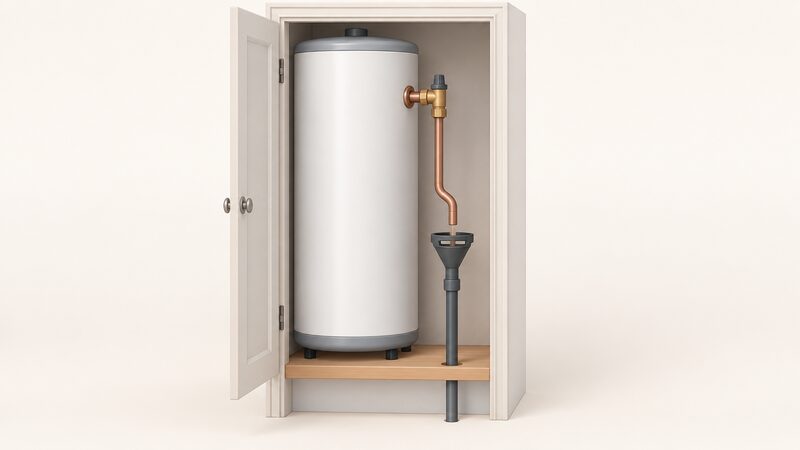
Physical installation also has consequences for the building. A traditional unvented hot water cylinder typically needs its own dedicated airing cupboard, a reinforced floor in some older properties, and a discharge pipe routed to a safe drainage point outside the building22. The discharge route is part of the safety design, not an optional extra.
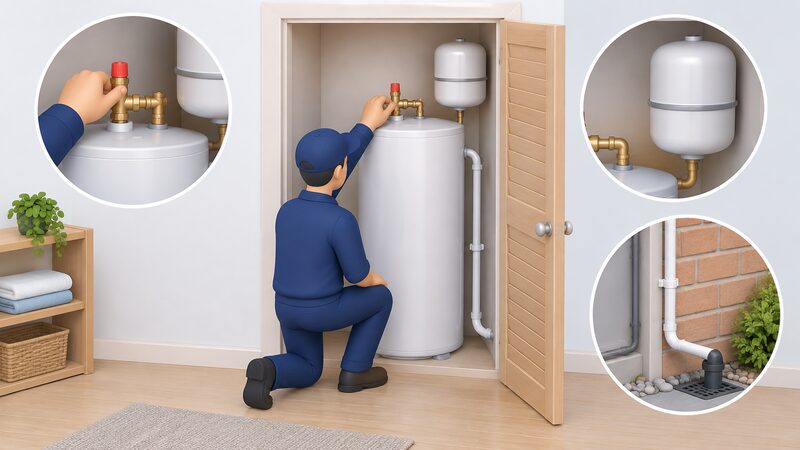
Keeping the system safe: annual servicing and the regulations
An annual check is vital to ensure safety and must be carried out by a qualified engineer10. The same requirement appears across maker guidance: an unvented cylinder needs annual maintenance so the system meets safety regulations11, and it must be serviced annually by a suitably qualified service engineer7.
The service is also tied to the warranty. Annual servicing by a suitably qualified service engineer is required to validate the warranty of an unvented cylinder7, and the annual check not only validates the manufacturer's warranty but also guarantees the cylinder operates efficiently in compliance with industry guidance and Building Regulations21. One maker's registration page offers to extend warranty cover to 25 years on registration23.
What the service covers is set out in the same guidance. Routine checks of TMVs, insulation, and pressure relief mechanisms are essential for ongoing safety12. The key components to be checked are the pressure reducing valve, the expansion vessel, the temperature and pressure relief valve and the discharge pipe2.
The manufacturer's instructions are the reference document for the work. They are an indispensable reference document whenever an unvented water heater service is undertaken, and should be retained in a safe place24. The same position is repeated by the Hot Water Association: manufacturers' instructions are an indispensable reference document whenever an unvented water heater service is undertaken25.
What this means for a household's energy independence
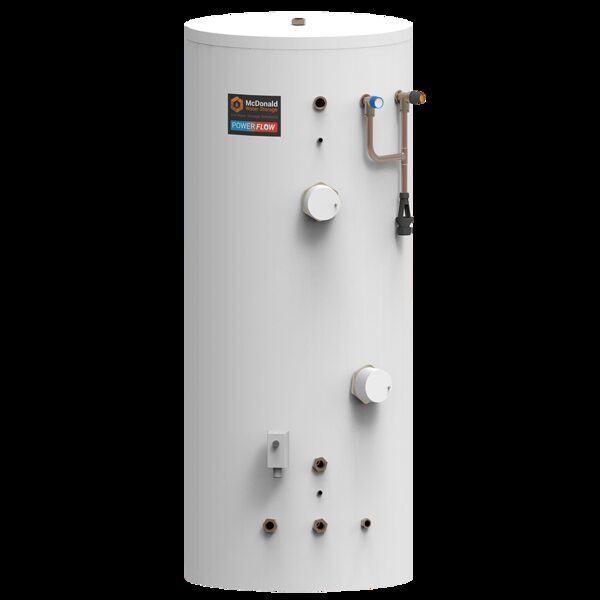
An unvented cylinder is a stored-energy asset in the home. It holds hot water at mains pressure, ready to draw, and it can be heated by a gas boiler, a heat pump or an immersion element without changing the safety rules that apply to it4. That flexibility is the independence it offers: the cylinder does not care where the heat comes from, so a household that changes heat source does not have to change the cylinder.
The dependence that remains is on the mains. An unvented cylinder is fed directly from the cold water mains and uses mains pressure, with no separate cold water storage tank2. It does not require a cold water storage tank, which offers more flexibility when siting the cylinder10, but it also means that a loss of mains water stops the hot supply. A vented system with a tank in the loft holds a reserve; an unvented one does not.
There is a maintenance dependence too. The system needs an annual visit from a qualified engineer to stay within its warranty and its safety regime7. That is a recurring cost and a recurring appointment, and it is the price of storing hot water under pressure.
The regulatory position is stable. The regulatory framework governing unvented hot water systems has not changed, and the same statutory safety requirements apply regardless of heat source4. For a household planning a heat pump or a cylinder replacement, that means the safety checklist is the same one that applied before, and the building regulations in England or the equivalent devolved regime will be the framework the installer works to.
Sources25 cited
- Technical Booklet P 2012, Building Control Northern Ireland, 2012
- What is an unvented cylinder, Newark Cylinders, 2026
- What is a tundish, Viessmann, 2022
- HPA UK news, Heat Pump Association, 2026
- Quick guide to the Building Regulations Q and A, Welsh Government, 2021
- Hot water cylinder vs Thermino, Sunamp, 2025
- Unvented cylinders service checklist, Joule, 2026
- Building Regulations Approved Document L Volume 1 2026, Welsh Government, 2026
- Unvented water heaters, Rinnai UK, 2026
- Vented vs Unvented Hot Water Cylinder, McDonald Water Storage, 2024
- Vented vs unvented hot water cylinders: what's the difference, Newark Cylinders, 2026
- Understanding Part G building regulations, Rinnai UK, 2025
- System design FAQs, Hamworthy Heating, 2026
- Thermostats and heating controls, Energy Saving Trust, 2026
- What is a tundish, Vaillant, 2026
- What is a heat interface unit, Vital Energi, 2026
- Ground source heat pumps and water source heat pumps, Scottish Government, 2010
- Copper vs stainless research report, McDonald Water Storage, 2026
- Review of DHCG, Solartwin, 2007
- HPA UK Statement on R290 Safety Zone, Heat Pump Association, 2026
- Unvented hot water cylinders, McDonald Water Storage, 2024
- Best electric boiler alternatives for hot water only, Fischer Future Heat, 2026
- McDonald Water Storage, McDonald Water Storage, 2026
- Guide to unvented hot water storage cylinder servicing, McDonald Water Storage, 2018
- Hot Water Association news, Joule, 2026
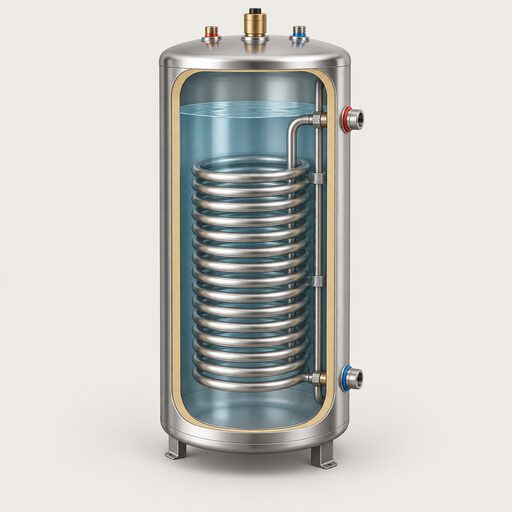 Hot Water Cylinder ManufacturersWhich hot water cylinder brands are actually made in the UK, and which are imported?
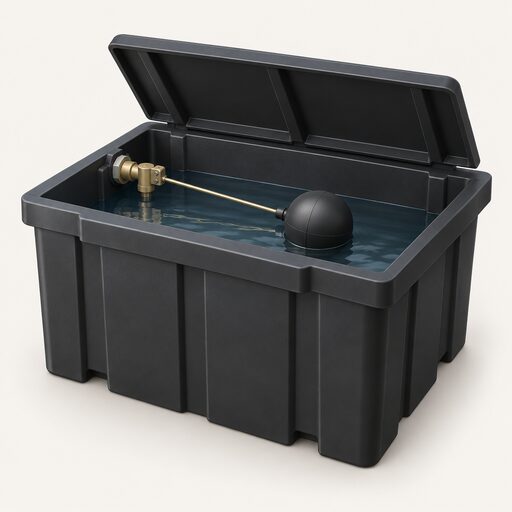 Hot Water CylindersWhich hot water cylinder suits your home, and what is the real difference between a vented one, an unvented one and a thermal store?
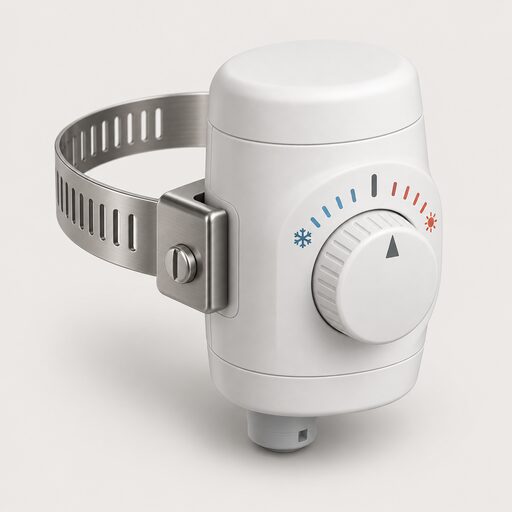 Hot Water Cylinder ControlsWhat temperature should a hot water cylinder thermostat be set to, and does it need its own timer apart from the heating?
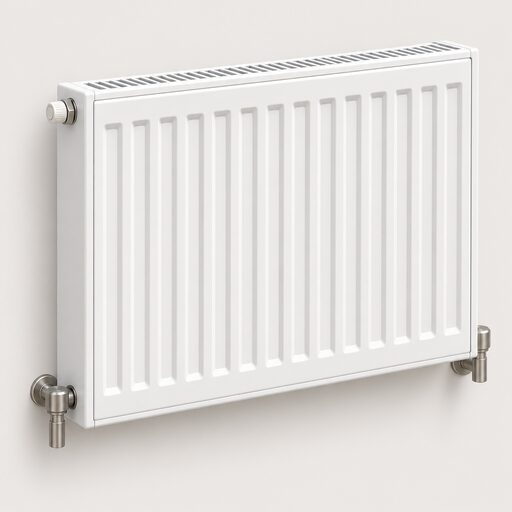 Prepare a Home for WinterA seasonal checklist covering heating and hot water checks, controls and timers, alarms, draughts, outside pipework and stocking up on off-grid fuel.
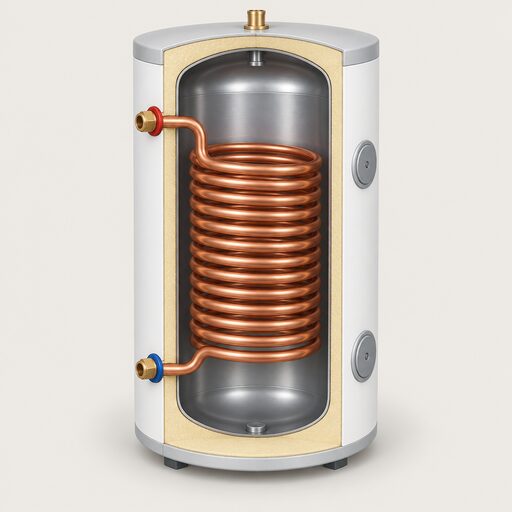 Hot Water CylindersA heat pump needs a cylinder to store hot water, so swapping a combi means getting one.
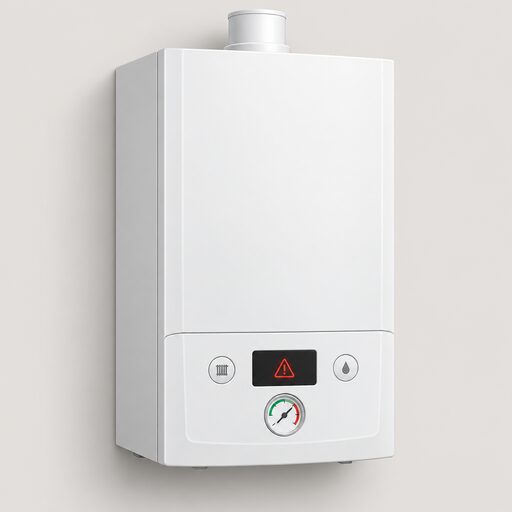 Faults and Fault CodesThe faults UK households meet most often: lockouts, kettling, pressure loss, frozen condensate pipes and no hot water, and what the fault code systems used by major brands indicate.