
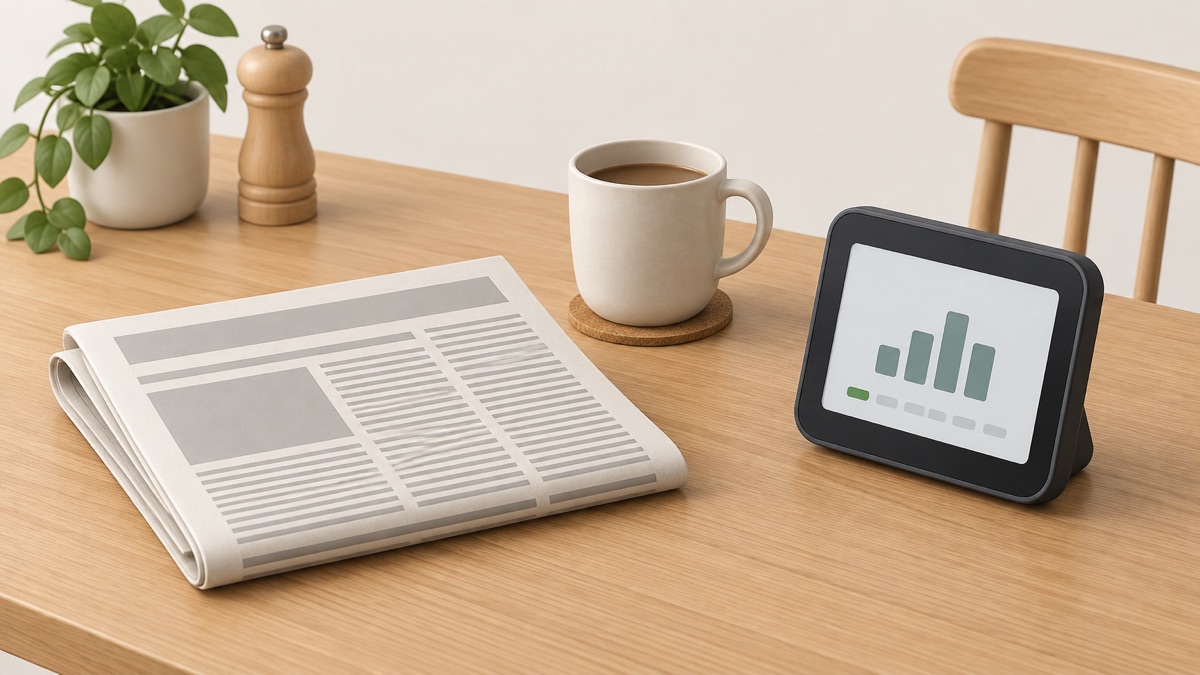
The Public Accounts Committee published a report on 20 October 2023 concluding that progress on the smart meter rollout is too slow and that the government has not done enough to convince the public of the benefits1. The committee found that only 57% of all electricity and gas meters in Great Britain were smart at March 2023, more than a decade after suppliers began installing them in 20121.
The government's original target was to effectively complete the rollout by 2019, but the deadline has been adjusted three times and installation targets reduced1. The current target is for suppliers to install smart meters in at least 74.5% of homes and nearly 69% of small businesses by the end of 2025, down from earlier consultation proposals of 80% and 73%2. The Department for Energy Security and Net Zero told the committee that suppliers are installing 80,000 to 85,000 smart meters each week1.
The report raises concerns about built-in obsolescence. Around 3 million smart meters, or 9% of the 32.4 million installed at March 2023, were not working properly, of which 1.6 million were described by the Department as "transitory" issues1. An estimated seven million communications hubs will need to be replaced because they will lose functionality when the 2G and 3G mobile networks close1. The committee said billpayers will ultimately bear the likely significant costs of these upgrades1.
The committee also found that consumers who are older, male, on high incomes, or homeowners are more likely to have smart meters, raising concerns that wealthier consumers benefit disproportionately1. The Department's most recent estimates of consumer energy savings are based on installations between 2015 and 2018, showing reductions of 3.3% to 3.6% for electricity and 2.9% to 3.1% for gas1. The committee called for updated evidence on whether smart meters are saving consumers money as anticipated1.
Installation rates vary across Great Britain, from 5% in the Isles of Scilly to 69% in Chesterfield at March 2023, with London at 43%1. The Department said the Data and Communications Company is looking into options for the 0.75% of homes outside its wide area network coverage, known as "not-spots"1.
"The rollout of smart meters was first conceived in 2008, with a planned completion date of 2019. Some 15 years later and four years after that missed target, and its vision of access and support for every household to control their energy efficiency remains a distant one."
Why it matters for households
The report indicates that the benefits households were promised from smart meters have not been demonstrated with current evidence, and that the savings measured date from installations made between 2015 and 20181. For a household considering whether a smart meter supports its energy independence, the committee's finding that consumers are only guaranteed for one year the benefits of real-time monitoring is significant: if an in-home display breaks after that, the supplier currently has no obligation to replace it1. The committee also noted that special smart meter tariffs offering lower prices for off-peak consumption have been withdrawn due to conditions in the domestic energy market, removing an incentive for installation1.
The costs of replacing non-functioning meters and obsolete communications hubs are, like other rollout costs, ultimately passed on to billpayers1. The committee found that suppliers have clearer incentives to install new meters than to replace broken ones, because government targets focus on installation numbers1.
What happens next
The government has two months to respond to the report2. The committee made six recommendations, including that the Department work with Smart Energy GB to review its public engagement strategy, update its evidence base on consumer benefits, and set out how households unable to install smart meters will be supported1. It also asked the Department and Ofgem to set out a timetable for replacing communications hubs that will lose functionality when 2G and 3G networks are switched off, and measures to ensure future-proofed technology is used in new installations1. The Department should report programme costs and benefits to Parliament annually and set out when it will bring the programme to a close2.
Sources2 cited
- Delayed smart meter programme fails to hit targets and secure public support - Committees - UK Parliament, committees.parliament.uk
- Update on the rollout of smart meters - Committee of Public Accounts, publications.parliament.uk